 EN
EN


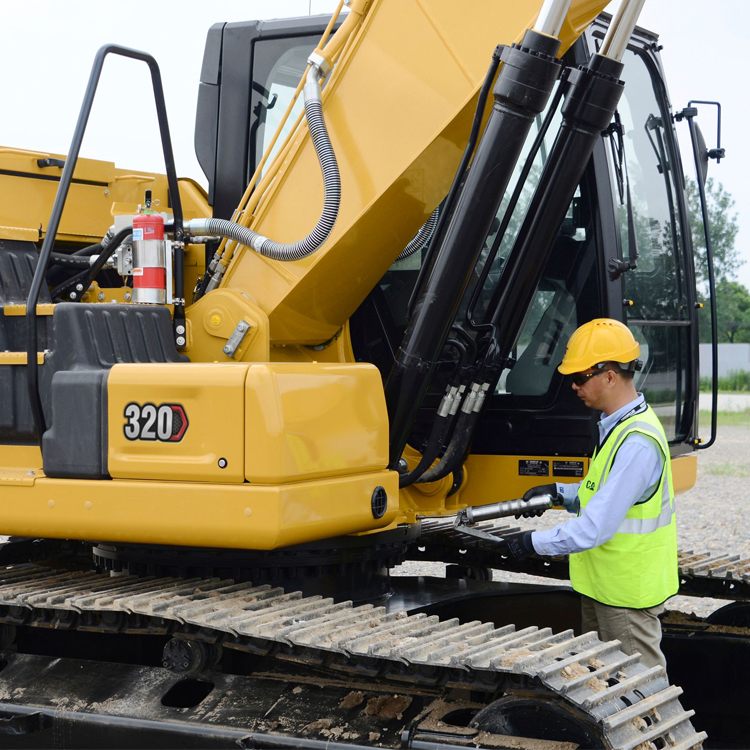
In the used heavy equipment market, the condition of the undercarriage dictates whether a deal is a bargain or a financial trap. With replacement costs often hitting 15%-20% of the machine's total value, knowing how to evaluate its remaining life is essential for any professional buyer. Here is the 4-step inspection method used by GT experts.
Step 1: Measure the Track Pitch
Pitch extension is the clearest indicator of internal wear between the pin and the bushing.
- How to: Measure the distance between the centers of 4 consecutive track pins using a tape measure.
- The Verdict: Compare your measurement with the original manufacturer's specs. An extension of over 3%-5% indicates severe internal wear, which not only risks track failure but also accelerates damage to your sprockets.
Step 2: Inspect the Sprocket Teeth
The sprocket is the "barometer" of the undercarriage’s health.
-
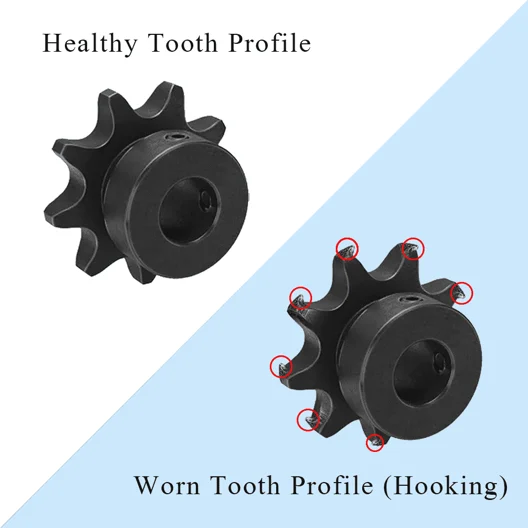
What to look for: Normal teeth should have flat, broad tips. If the teeth look sharp like "shark fins" or are noticeably hooked, the sprocket is worn out and has likely already compromised the bushings on your track chains.
Step 3: Measure the Grouser Height
This determines the machine's traction and digging power.
- How to: Use a ruler to measure the height of the grouser on the track shoes.
- Financial Impact: If only 30% of the original height remains, expect to spend several thousand dollars on a new set of track shoes shortly after your purchase.
Step 4: Examine the Roller Flanges
- Red Flag: If the flanges (the side lips) of the bottom rollers are heavily worn or are making contact with the sides of the track links, the entire undercarriage has serious alignment issues that will lead to rapid failure.
The GT Expert Strategy:
During price negotiations, use an undercarriage wear rate of over 60% as leverage to deduct the cost of a future replacement. If you decide to buy and refurbish the machine, choosing GT’s OEM-quality aftermarket parts ensures you get like-new performance while significantly reducing your restoration costs.

