 EN
EN


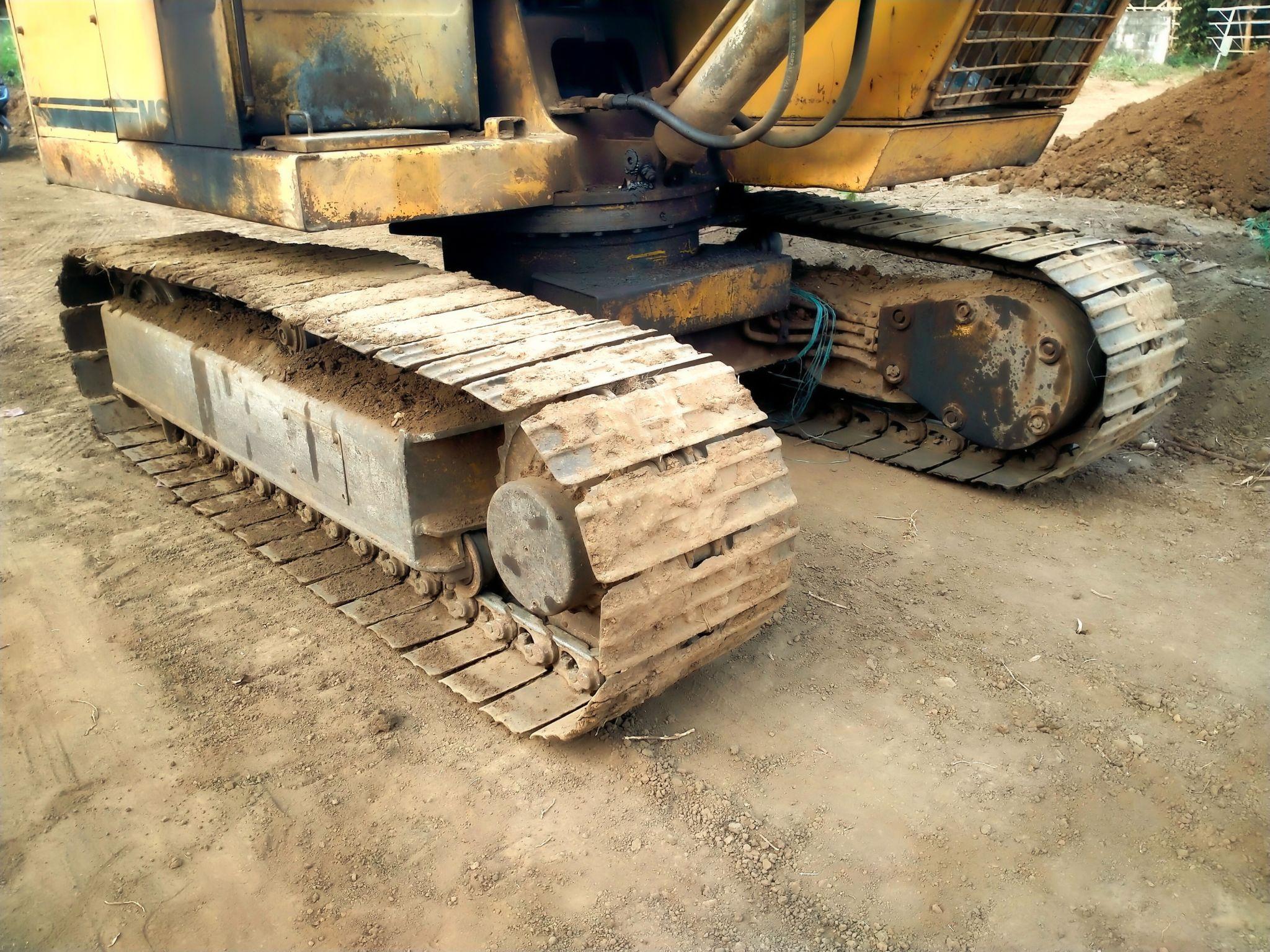
In mining, excavators don’t get an easy life.
Whether it’s iron ore, copper, limestone, or coal, machines are expected to run long hours in dust, heat, mud, and highly abrasive conditions. Under this kind of pressure, even OEM parts wear out faster than expected — and replacement costs can quickly become a major issue for fleet owners.
That’s one of the main reasons why more mining contractors are now using aftermarket excavator parts instead of relying entirely on OEM dealers.
The key, however, is choosing the right aftermarket parts.
Not every supplier can deliver components that survive real mining conditions. Cheap materials, poor heat treatment, or inaccurate machining can lead to premature failures, unexpected downtime, and higher maintenance costs in the long run.
In this article, we’ll look at the aftermarket excavator parts most commonly replaced in mining applications and what buyers should actually pay attention to before placing an order.
Undercarriage Parts Usually Wear Out First
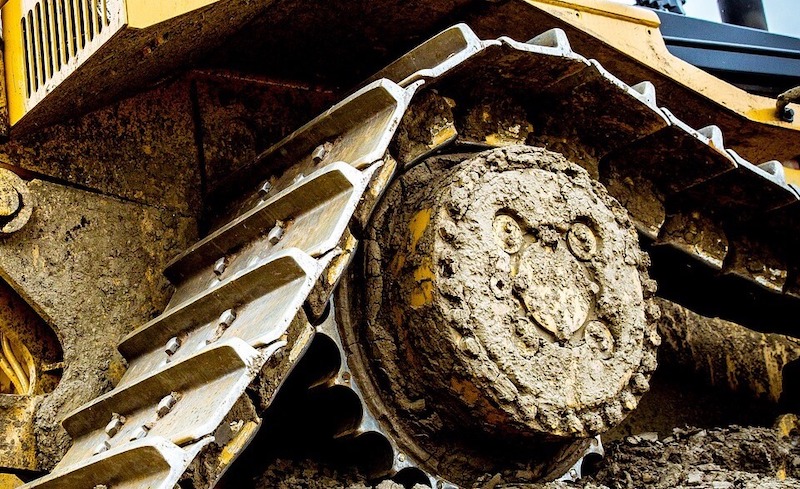
For mining excavators, undercarriage wear is unavoidable.
Sharp rocks, uneven haul roads, and constant tracking put enormous stress on track chains, rollers, idlers, and sprockets. On some sites, undercarriage maintenance alone can account for a large percentage of total repair costs.
This is why many operators prefer heavy-duty aftermarket undercarriage parts with deeper hardening treatment and better wear resistance than standard replacements.
When sourcing undercarriage components, experienced buyers usually focus on:
- Material hardness
- Seal quality
- Bushing performance
- Heat treatment process
- Actual working life under load
Price matters, but service life matters more.
A cheaper track roller that fails after a few months is rarely a good deal in mining.
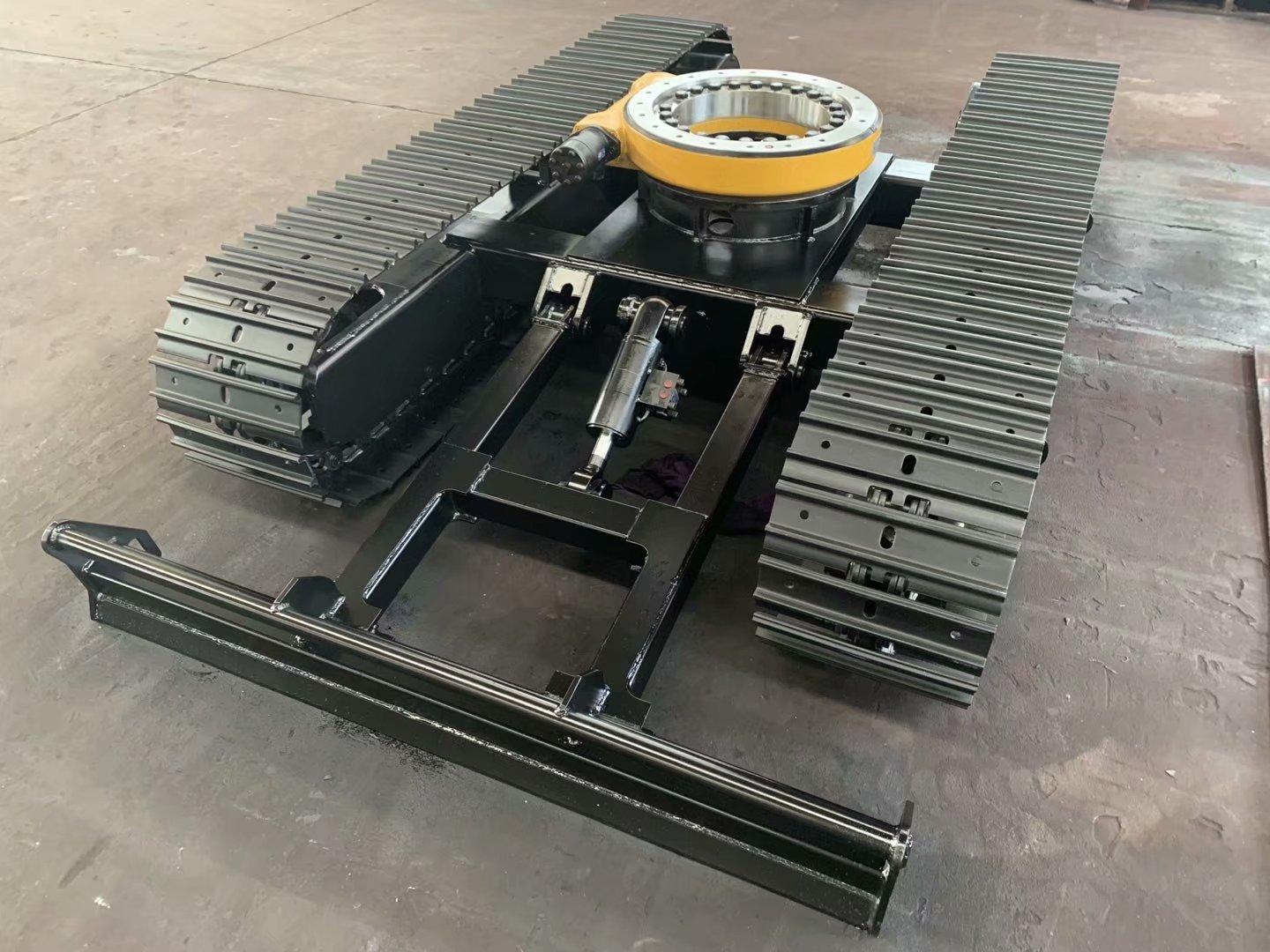
Bucket Teeth Matter More Than Many Buyers Think
Bucket teeth are consumable parts, but they directly affect digging efficiency.
Worn teeth increase resistance during penetration, which means higher fuel consumption and more stress on the hydraulic system. In hard rock applications, low-quality teeth can crack surprisingly fast.
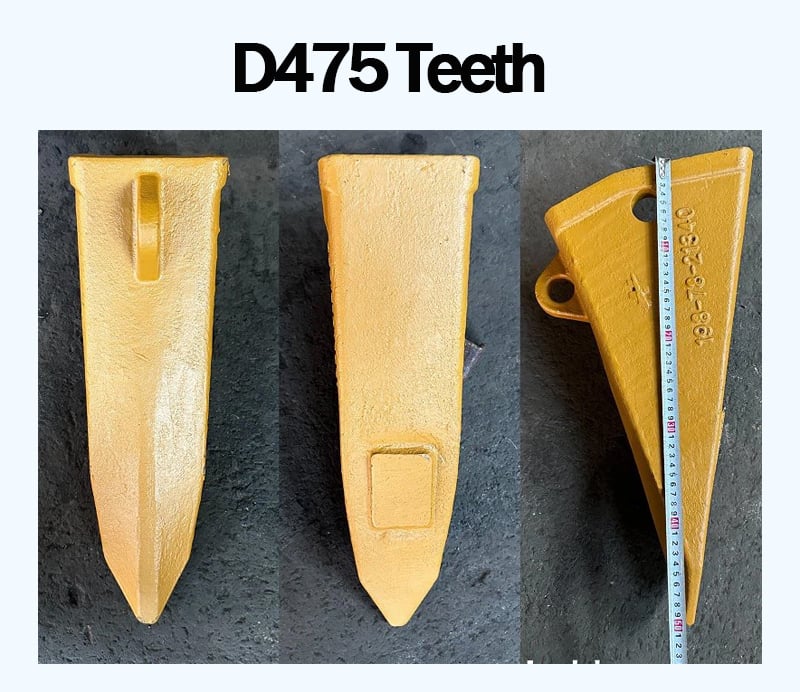
Most mining contractors today look for aftermarket GET parts made from high-impact alloy steel rather than standard casting materials.
Depending on the material being handled, different tooth designs may perform better:
- Rock teeth for aggressive penetration
- Abrasion-resistant teeth for longer wear life
- Heavy-duty adapters for high-impact environments
Some sites even rotate different tooth profiles depending on the season and ground condition.
Hydraulic Parts Are Not the Place to Buy Cheap Components
This is where many buyers learn expensive lessons.
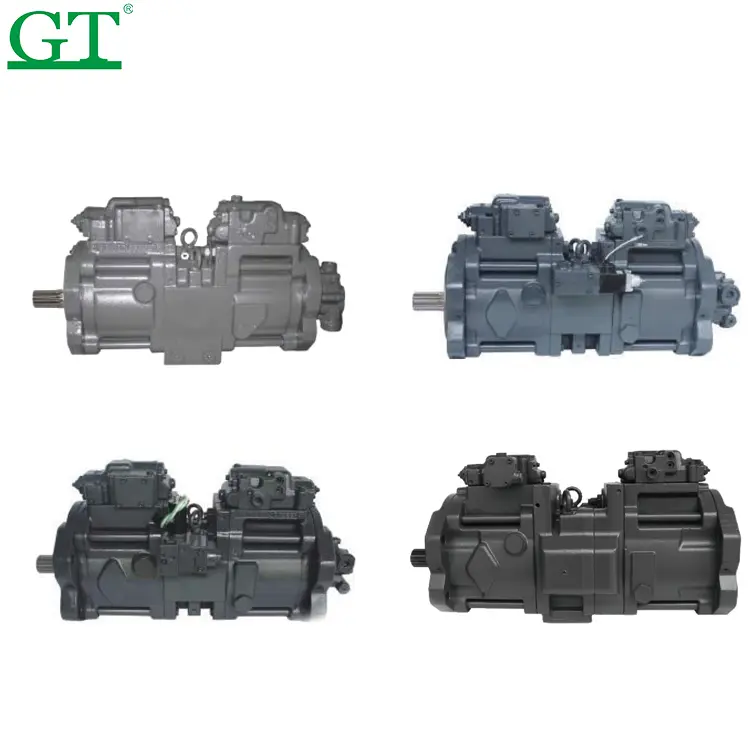
A low-quality hydraulic pump may look identical from the outside, but internal machining tolerances make a huge difference once the machine starts working under heavy load.
In mining operations, hydraulic systems run under constant pressure and heat. Poor-quality seal kits or improperly machined valve components often fail much earlier than expected.
For aftermarket hydraulic parts, reliable suppliers normally provide:
- Pressure testing
- Bench testing reports
- OEM-grade seal materials
- Accurate fitment tolerances
For critical systems, some fleet managers still prefer OEM. But for many standard replacements, premium aftermarket hydraulic parts can perform very well when sourced from the right manufacturer.
Engine Components Need Stable Quality
Mining excavators often operate 20 hours a day or more, especially on large production sites.
Under these conditions, engine reliability becomes critical.
Aftermarket engine parts such as turbochargers, injectors, pistons, liners, and gasket kits are widely used today because they help reduce overhaul costs significantly.
The problem is consistency.
Some aftermarket suppliers offer excellent machining quality, while others focus only on low pricing. Experienced buyers usually avoid suppliers that cannot provide material specifications or production standards.
In mining, downtime is always more expensive than the part itself.
Why Many Mining Companies Now Prefer Premium Aftermarket Parts
Ten years ago, aftermarket parts had a reputation for inconsistent quality.
That has changed quite a bit.
Today, many established aftermarket manufacturers produce excavator parts using CNC machining centers, automated heat treatment lines, and stricter quality control systems than before.
For mining companies, the advantages are obvious:
- Lower purchasing costs
- Faster delivery
- Better availability for older models
- Flexible sourcing options
- Reduced machine downtime
For some wear parts, aftermarket options are even upgraded beyond OEM specifications to improve service life in abrasive environments.
Choosing the Right Supplier Is More Important Than Choosing the Lowest Price
A good supplier does more than just ship parts.
In mining projects, buyers often need:
- Stable inventory
- Fast delivery
- Technical support
- Consistent product quality
- Clear warranty policies
The cheapest quotation is not always the lowest operating cost.
A supplier with reliable quality control and mining industry experience will usually save more money over time than a supplier competing only on price.
Final Thoughts
Mining is one of the harshest environments for excavators, and every hour of downtime affects production.
That’s why more contractors and fleet managers are investing in reliable aftermarket excavator parts that balance cost, durability, and availability.
From undercarriage systems to hydraulic components and GET parts, choosing the right replacement parts can significantly improve machine uptime and reduce long-term maintenance expenses.
For mining operations, the goal is not simply buying cheaper parts — it’s keeping machines working longer with fewer interruptions.
Table of Contents
- Undercarriage Parts Usually Wear Out First
- Bucket Teeth Matter More Than Many Buyers Think
- Hydraulic Parts Are Not the Place to Buy Cheap Components
- Engine Components Need Stable Quality
- Why Many Mining Companies Now Prefer Premium Aftermarket Parts
- Choosing the Right Supplier Is More Important Than Choosing the Lowest Price
- Final Thoughts

