 EN
EN


ویژگیهای ماده بر شهرت برند ارجحیت دارند در قطعات زیربنا استحکام
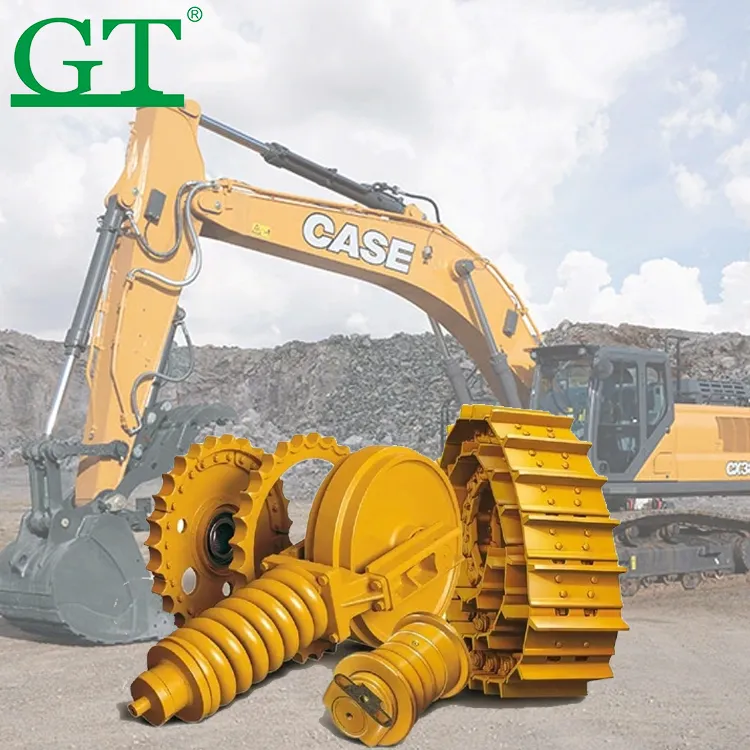
سختی، ترکیب آلیاژ و عملیات حرارتی بهعنوان عوامل اصلی تعیینکنندهی طول عمر
طول عمر قطعات شاسیهای زیرین عمدتاً به جنس ساختار آنها بستگی دارد، نه به نام برندی که روی بستهبندی درج شده است. سختی مواد، که با استانداردهایی مانند برینل یا راکول اندازهگیری میشود، نقش مهمی در مقاومت آنها در برابر گرد و غبار و ذرات ساینده ایفا میکند. سپس ترکیب واقعی آلیاژهای فلزی مورد استفاده نیز اهمیت دارد. قطعاتی که حاوی کربن و کروم بیشتری هستند، تحت تنش بهتر مقاومت میکنند و از تخریب تدریجی در طول زمان جلوگیری مینمایند. همچنین روشهای اعمال حرارت نیز اهمیت فراوانی دارند. وقتی فولاد تحت فرآیند مناسب سردکردن سریع (Quenching) و بازپخت (Tempering) قرار میگیرد، ساختار داخلی آن تغییر کرده و استحکام آن افزایش مییابد. اما اگر این فرآیند بهدرستی انجام نشود، مشکلاتی مانند تنشهای باقیمانده یا تبدیلات ناقص رخ میدهد که منجر به ایجاد ترکهای زودرس میشود. آزمونهای عملی نشان دادهاند که قطعاتی که مطابق استاندارد ASTM A148 ساخته شدهاند، در شرایط سخت حدود ۴۰ درصد طولانیتر از گزینههای ارزانتر دوام میآورند. گاهی اوقات شرکتهای کوچکتر نسبت به برندهای معروف پیروز میشوند، صرفاً به این دلیل که در تولید فولاد آلیاژی ۴۱۴۰ خود از روشهای صحیح حرارتی استفاده میکنند، نه اینکه با بهکارگیری مواد نامناسب از اصول تولید عدول کنند.
شواهد واقعیالوقوع: دستگاههای یکسان از نظر مدل، با نرخهای متفاوتی به دلیل جایگزینیهای غیرتأییدشده مواد دچار خرابی میشوند
قرار دادن دو بیل مکانیکی در کنار هم برای کار در یک معادن گرانیت نشاندهندهی تفاوت چشمگیر در مقاومت آنها بود. یکی از این ماشینها پس از تنها ۱۲۰۰ ساعت کارکرد نیاز به تعویض سیستم زیرشاسی داشت، در حالی که دومین ماشین تا پس از ۲۰۰۰ ساعت کارکرد نیز بدون نیاز به توجه ویژه ادامه داد. با بررسی عمیقتر علت این اتفاق، متالورژیستها مشکل را در بوشینگهای زنجیر (Track Bushings) یافتند که بدون احراز صحت مناسب جایگزین شده بودند. بوشینگهایی که باعث ایجاد مشکل شده بودند، حدود یکچهارم مقدار وانادیوم تعیینشده توسط سازندگان تجهیزات اصلی (OEM) را فاقد بودند؛ بنابراین سرعت سایش آنها تقریباً دو برابر نرخ مطلوب افزایش یافته بود. چنین موقعیتهایی به وضوح نشان میدهد که آنچه واقعاً اهمیت دارد، هویت تأمینکننده نیست، بلکه وجود گواهیهای معتبر مواد است. طبق مطالعات مختلف قابلیت اطمینان عملکرد ماشینآلات، زمانی که قطعات فاقد گزارشهای تأییدشده ترکیب شیمیایی یا نتایج آزمون سختی باشند، احتمال خرابی تجهیزات تقریباً سه و نیم برابر افزایش مییابد. بنابراین برای هرکسی که قطعات یدکی خریداری میکند، دستیابی به اطلاعات دقیق و جامع درباره مواد، همواره از اتکا صرف به نام برندها ارجحیت دارد.
نیازمندیهای مواد خاص برای هر مؤلفه بهمنظور عملکرد بهینه قطعات زیرشاسی
زنجیرهای مسیر و صفحات: فولاد آلیاژی با کربن بالا در مقابل چدن در شرایط سایشی
زنجیرهای مسیر و صفحات مورد استفاده در معادن، کارهای تخریب و مناطق ناهموار و سنگلاخ، به دلیل اصطکاک و سایش شدید با مواد، بهسرعت فرسوده میشوند. از نظر جنس ساخت، فولاد آلیاژی با کربن بالا در مقایسه با چدن معمولی واقعاً برجسته است. اکثر فولادهای آلیاژی در مقیاس سختی بین ۴۵ تا ۵۵ قرار دارند، در حالی که سختی چدن تنها به حدود ۲۰ تا ۳۰ میرسد. این تفاوت اهمیت دارد، زیرا مواد سختتر در شرایط سختتر عمر طولانیتری دارند. آلیاژهای کروم-مولیبدن در برابر ضربهها عملکرد بهتری داشته و بدون تغییر شکل یا خمشدن مقاومت میکنند، برخلاف چدن که حاوی ذرات گرافیت شکنندهای است که تحت تنش بهراحتی ترک میخورند. در کارهایی که با سایش شدید همراه است، فولاد آلیاژی شکل خود را بسیار طولانیتر از سایر گزینهها حفظ میکند. در شرایط واقعی، بهبود عمر سایشی حدود ۳۰ تا ۵۰ درصد گزارش شده است. بله، فولاد آلیاژی هزینه اولیه بالاتری دارد، اما به این فکر کنید که قطعات چندبار نیاز به تعویض دارند و چقدر زمان در طول تعمیر و نگهداری از دست میرود. این امر فولاد آلیاژی را به سرمایهگذاری هوشمندانهتری برای بلندمدت تبدیل میکند، بهویژه برای تجهیزاتی که در معرض تودههای شن، سنگهای شکسته یا هر نوع مصالح خردشده قرار میگیرند.
غلطکها، غلطکهای راهنما و واشرها: توزیع بار عالی و مقاومت در برابر سایش فولاد سختشده بهروش پوستهای
درست کردن غلطکها، هرزگردها و بوشها به معنای یافتن نقطه بهینه بین سختی سطح برای مقاومت در برابر سایش و استحکام کافی هسته برای مقابله با شوکها در هنگام ناهمواری است. سختکاری پوسته دقیقاً همین کار را با استفاده از فرآیندهای کربوریزاسیون کنترلشده انجام میدهد که یک پوسته بیرونی با درجه سختی حدود ۵۸ تا ۶۲ راکول آرسی ایجاد میکند و در عین حال داخل را نرمتر و انعطافپذیرتر نگه میدارد. این ساختار دو قسمتی از جدا شدن پوستههای کوچک مزاحم در طول چرخههای تنش مکرر جلوگیری میکند، چیزی که مواد سختکاریشده معمولی نمیتوانند بدون ترک خوردن کامل از پس آن برآیند. سطح بیرونی سخت همچنین به کاهش اصطکاک در برابر آن مسیرهای فلزی کمک میکند و نقاط فشار را در تمام آن نواحی کوچک یاتاقان بهتر پخش میکند. آزمایشهای دنیای واقعی نیز این موضوع را تأیید میکنند. اجزای سختکاری شده پوسته حدود ۴۰ درصد بیشتر از نیاز به تعویض در محیطهای سنگین مانند معادن و جنگلها که تجهیزات روز به روز اضافه کاری میکنند، دوام میآورند. این نوع طول عمر به مرور زمان به صرفهجویی واقعی تبدیل میشود زیرا خدمه تعمیر و نگهداری دیگر مجبور نیستند قطعات را به طور مکرر تعویض کنند.
راهآهن فولادی در مقابل راهآهن لاستیکی: تطبیق جنس قطعات زیرشاسی با نیازهای کاربردی
تحلیل مقاومت در برابر سایش، سازگاری با زمینهای مختلف و هزینه کل مالکیت
تصمیمگیری بین زنجیرهای فولادی و لاستیکی، عملکرد بلندمدت این قطعات شاسی را بهطور قابلتوجهی تعیین میکند؛ بهویژه از جنبههایی مانند نرخ سایش، توانایی مقابله با انواع مختلف زمینها و هزینههای نگهداری در طول زمان. در محیطهای سخت مانند معادن سنگ یا محلهای تخریب، زنجیرهای فولادی سختشده به دلیل مقاومت فوقالعاده بالای خود در برابر سایش برجسته میشوند و میتوانند در برابر تمام انواع آشغالهای تیز مقاومت کرده و از تخریب جلوگیری کنند. زنجیرهای لاستیکی در شرایطی بهترین عملکرد را دارند که حفاظت از سطوح و راحتی اپراتور اهمیت اصلی داشته باشد؛ مثلاً در پروژههای ساختوساز شهری، نگهداری از باغها یا کارهای انجامشده روی جادههای آسفالتی. با این حال، این گزینههای لاستیکی در مجاورت سنگهای نوکتیز یا مواد سایندهای که بهسرعت آنها را تخریب میکنند، عمر کوتاهی دارند. نوع زمین نیز نقش بسزایی در این تصمیمگیری ایفا میکند. زنجیرهای فولادی به ماشینها ثباتی محکم و غیرقابلتزلزل بر روی شیبهای تند با شیب بیش از ۲۰ درصد میبخشند، هرچند این زنجیرها روی آسفالت ردپایی ایجاد میکنند و سطوح بتنی را ترک میزنند. زنجیرهای لاستیکی ارتعاشات و سطح صدا را در حین کار کاهش میدهند که برای مناطق شهری بسیار مطلوب است، اما در شرایط گِلآلود و خاک رسی بهشدت با مشکل چسبندگی مواجه میشوند و حدود سی درصد از قدرت چسبندگی معمول خود را از دست میدهند.
forging، ریختهگری و ماشینکاری: چگونه روش تولید عمر قطعات شاسی را تعیین میکند
یکپارچگی ریزساختاری: چرا قطعات شاسی فورجشده در برابر خستگی عملکرد بهتری نسبت به قطعات ریختهگریشده دارند
روش ساخت یک قطعه واقعاً در میزان مقاومت آن در برابر تنشهای تکراری در طول زمان اهمیت فراوانی دارد. به عنوان مثال، فرآیند نورد (فورجینگ) را در نظر بگیرید. هنگامی که سازندگان در حین فورجینگ فشاری را بر فلز داغ وارد میکنند، در واقع جهتگیری دانهها درون ماده را تغییر میدهند. این فرآیند، نواقص درونی مزاحم مانند خالیهای داخلی و متخلخلبودن را که باعث ضعف سایر مواد میشوند، حذف میکند. در نتیجه، ساختار یکنواختتری از ماده به دست میآید که تنش را بهصورت یکنواختتری روی سطح پخش میکند، نه اینکه اجازه دهد ترکهای ریز در یک نقطه شکل بگیرند. اما قطعات ریختهگریشده داستان متفاوتی را روایت میکنند. این قطعات معمولاً با مشکلات گوناگونی از جمله حبابهای هوا درون خود، نواحیای که فلز بهدرستی در آنها جریان نیافته است و ذرات مواد خارجی در اختلاط با فلز روبهرو میشوند. بر اساس مطالعات اخیر منتشرشده در «ژورنال پردازش مواد» (Journal of Materials Processing) در سال گذشته، این نقصها میتوانند در لبههای خود تمرکز تنشی تا سه برابر بیشتر از حد عادی ایجاد کنند. و از آنجا که مرزهای دانه در قطعات ریختهگریشده مانند قطعات فورجشده پیوسته نیستند، ترکها تحت بارهای مداوم و ارتعاشات سریعتر گسترش مییابند.
وقتی صحبت از کاربردهایی با تأثیر و ارتعاش زیاد مانند عملیات معدنی یا کارهای سنگین جابجایی خاک میشود، مزایای ساختاری فورجینگ (آهنگری) واقعاً تفاوت اساسی ایجاد میکند. آزمونهای واقعی نشان میدهند که قطعات زیرشاسی فورج شده میتوانند تقریباً ۵۰ درصد بیشتر از قطعات ریختهگری شده در برابر چرخههای کاری مقاومت کنند قبل از اینکه دچار خرابی شوند. همچنین در محیطهای ساینده و سخت، این قطعات حدود ۳۰ درصد طولانیتر از قطعات ریختهگری شده عمر میکنند. البته، ریختهگری در نگاه اول ممکن است ارزانتر به نظر برسد، اما قطعات فورج شده در بلندمدت در تجهیزاتی که قابلیت اطمینان در آنها اهمیت اصلی دارد، عملکرد بهتری دارند. این امر به معنای کاهش خرابیهای غیرمنتظره در محل کار و در نهایت صرفهجویی در هزینهها در طول کل عمر ماشینآلات است.
سوالات متداول
پرسش: عوامل کلیدی تعیینکننده دوام قطعات زیرشاسی کداماند؟
پاسخ: عوامل کلیدی شامل سختی مواد، ترکیب آلیاژهای فلزی، فرآیندهای عملیات حرارتی و روشهای ساخت مانند فورجینگ در مقابل ریختهگری میشوند.
سوال: فولاد آلیاژی با کربن بالا در مقایسه با چدن برای زنجیرهای ریلی و پدها چگونه است؟
پاسخ: فولاد آلیاژی با کربن بالا معمولاً مقاومتر است و سختی آن بین ۴۵ تا ۵۵ است، در حالی که سختی چدن بین ۲۰ تا ۳۰ قرار دارد. فولاد آلیاژی عمر کارکرد طولانیتر و مقاومت بهتری در برابر سایش و ساییدگی ارائه میدهد.
سوال: قطعات زیرشاسیِ فورجشده نسبت به قطعات ریختهگریشده چه مزایایی دارند؟
پاسخ: قطعات فورجشده معمولاً ساختار دانهای پیوستهتر و تخلخل کمتری دارند که منجر به توزیع یکنواختتر تنشها و مقاومت بهتر در برابر خستگی میشود و در نتیجه عمر عملیاتی بلندتری ایجاد میکند.
سوال: برای انواع مختلف زمینها، زنجیرهای فولادی یا زنجیرهای لاستیکی کدام بهتر است؟
پاسخ: زنجیرهای فولادی برای سطوح ناهموار، خشن و پر سایش ایدهآل هستند، در حالی که زنجیرهای لاستیکی در محیطهای کمبرخورد مانند مناطق شهری و جادههای آسفالتی عملکرد بهتری دارند.
فهرست مطالب
- ویژگیهای ماده بر شهرت برند ارجحیت دارند در قطعات زیربنا استحکام
- نیازمندیهای مواد خاص برای هر مؤلفه بهمنظور عملکرد بهینه قطعات زیرشاسی
- راهآهن فولادی در مقابل راهآهن لاستیکی: تطبیق جنس قطعات زیرشاسی با نیازهای کاربردی
- forging، ریختهگری و ماشینکاری: چگونه روش تولید عمر قطعات شاسی را تعیین میکند

