 EN
EN


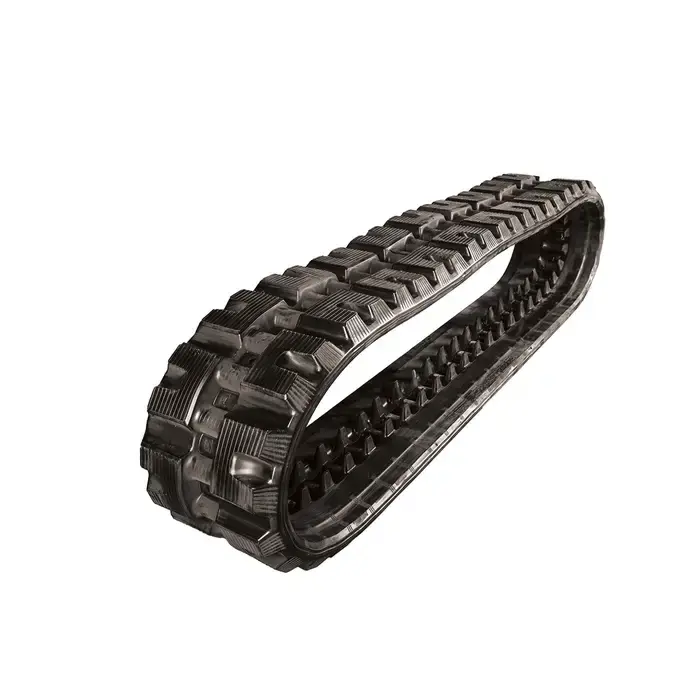
Rubber Track Behavior Across Temperature Extremes: The Role of Glass Transition
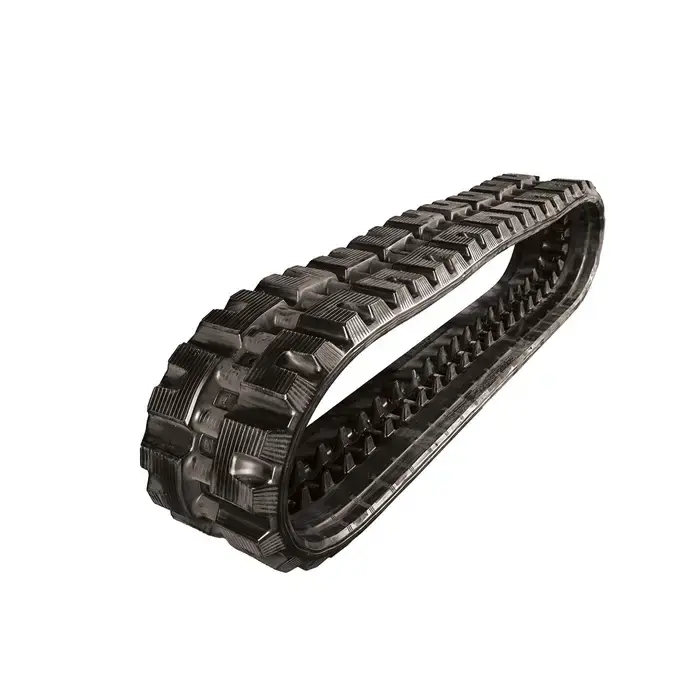
The Glass Transition Temperature, or Tg for short, represents that magic point where the long polymer chains in rubber tracks start changing their behavior completely. When temperatures drop below this level, those molecules basically lock up, making the tracks stiff as a board and prone to cracking when hit by heavy loads, something we see all too often in colder regions during winter operations. Things get interesting above Tg though. The chains become more mobile which helps absorb shocks better, but there's a tradeoff here since the material loses some of its tensile strength. This means it starts flowing plastically and gets permanently deformed if kept under pressure for too long. What happens at these temperature thresholds really determines how elastic the material stays versus what kind of failures occur. Cold weather brings mostly brittle fractures, while excessive heat makes everything soften up too much, speeding up wear rates and alignment issues. That's why engineers spend so much time picking out rubber track materials with just the right Tg balance. Getting this right means better performance overall and fewer headaches dealing with temperature related breakdowns no matter where the equipment ends up operating.
Why Glass Transition Temperature (Tg) Governs Rubber Track Elasticity and Failure Modes
The glass transition temperature, or Tg, marks when rubber changes from being hard and brittle to soft and stretchy. When temperatures drop below this threshold, rubber loses its ability to bounce back and becomes vulnerable to cracking suddenly, which we often see in cold weather conditions. On the flip side, when above Tg, materials get much more flexible and can withstand impacts better, though they start showing signs of stretching out too much over time. These contrasting behaviors explain how failures happen in different ways. At lower temps, things just snap apart without warning, whereas at higher temps, components slowly deform until they finally give way. Research in material science backs up how important Tg really is for predicting how long products will last. Some tests have found that even a modest 10 degree Celsius change in Tg can make cracks spread up to 30% faster. For manufacturers wanting their products to work reliably in all kinds of climates, finding ways to control Tg through clever mixing of polymers becomes absolutely critical for keeping that necessary balance between rigidity and flexibility.
Cold Embrittlement vs. Heat-Induced Plastic Flow: Dual Degradation Pathways for Rubber Track
When temps drop below the glass transition point (Tg), cold embrittlement sets in as molecular bonds essentially freeze up, making rubber tracks brittle enough to crack or even shatter when subjected to movement or stress. On the flip side, when things get too hot and temperatures climb past Tg, we see something completely different happen. Thermal energy starts breaking down those polymer chains, which causes tracks to become soft and prone to permanent deformation whenever they're stretched or pulled. The way these two phenomena affect performance couldn't be more different. Cold weather brings sudden, unpredictable cracking that can cripple operations overnight, especially in places with harsh winters. Hot environments tell a different story altogether, with gradual sagging becoming a problem over time, particularly noticeable in desert conditions where equipment just seems to lose its shape day after day. Looking at actual field reports, there's a clear pattern emerging: most embrittlement issues pop up when temps hit minus 20 degrees Celsius or colder, while plastic flow becomes dominant once it gets hotter than 50 degrees. This means manufacturers really need to think about local climate conditions when designing tracks if they want them to last through both extreme cold snaps and blistering heatwaves.
Climate-Driven Rubber Track Design: Material Selection and Tension Calibration
Thermal Expansion Coefficients and Dynamic Load Distribution in Rubber Track Systems
The way rubber tracks respond to temperature changes is all about their thermal expansion properties, which basically means how they stretch or shrink when it gets hotter or colder. When temps rise, most rubber compounds start expanding, which can boost track tension anywhere from 10 to 15 percent. This extra tension pushes more weight onto important parts like drive sprockets and carrier rollers, leading to faster wear over time. Things get tricky in cold weather too. The rubber contracts, making the tracks looser and creating problems with slippage and even derailments if not managed properly. Smart material scientists work around this issue by choosing special low-expansion synthetics, often reinforced with silica particles to keep dimensions stable despite temperature extremes. Manufacturers also design better reinforcement patterns that spread out the stress more evenly across the system. These improvements help equipment last longer in places where temperatures swing dramatically between summer heat and winter chill.
Adaptive Tension Systems: Real-World Validation in Nordic and Gulf Region Deployments
Adaptive tension systems combine temperature sensors with hydraulic actuators to keep rubber track tension just right no matter what climate conditions throw at them. When deployed in those cold Nordic environments where temps drop below minus 30 degrees Celsius, these smart systems cut down slippage problems by around 30 percent when compared to older fixed tension methods. The machines stay grippy on ice because the system automatically tightens things up when needed. Testing in the hot Gulf regions where temperatures climb above 45 degrees Celsius revealed something interesting too. These systems managed to reduce over tension issues by about 22 percent, which helps prevent the kind of heat damage that makes materials break down or deform over time. Field reports from desert operations show longer lasting tracks since the adaptive tech spreads out the friction heat so it doesn't concentrate at those vulnerable joint areas. What really stands out is how fast these systems react, sometimes within just a few seconds. For equipment that needs to work reliably everywhere from freezing tundra to scorching deserts, this kind of responsive technology has become essential for keeping operations running smoothly despite wild temperature swings.
Long-Term Thermal Exposure Effects on Rubber Track Hardness and Durability
Shore A Hardness Drift and Cumulative Degree-Days: Predicting Rubber Track Lifespan
When rubber gets exposed to high temperatures for long periods, its chemical makeup changes significantly. After sitting at around 90 degrees Celsius for 1,000 hours, the Shore A hardness typically goes up between 10 and 15 points. What happens here is called oxidative hardening, basically because the polymers start linking together more as they heat up. This makes the material less flexible and causes those annoying cracks on the surface to appear sooner rather than later. Most engineers track how much thermal stress builds up over time using something called cumulative degree days. The math behind this combines both how hot it gets and how long things stay that way. Studies indicate that whenever temperatures stay consistently 10 degrees above 70 Celsius, the rate at which materials degrade just about doubles. This helps create pretty accurate predictions about how long equipment will last before needing replacement. Take tropical regions where averages hover around 35 Celsius compared to cooler areas with about 20 Celsius temps. Rubber components there tend to lose their softness about 40 percent quicker than their counterparts in milder climates.
Hybrid Polymer Blends and Silica-Reinforced EPDM for Stable Rubber Track Performance
The latest material formulations fight off thermal breakdown thanks to EPDM rubber mixed with precipitated silica reinforcement. These composites stay flexible even when temps drop below minus 40 degrees Celsius or climb past 120, keeping Shore A hardness changes within about 5 points after similar thermal stress tests. When manufacturers add heat stabilizers to create hybrid blends, they see roughly a three-quarter reduction in ozone cracking compared to regular compounds. Field tests show these materials hold onto over 90% of their original tensile strength after spending 5,000 hours under harsh UV exposure and extreme temperature swings. That kind of durability matters a lot for construction gear working in desert regions where asphalt can get scorching hot, sometimes topping 60 degrees Celsius during peak summer months.
FAQ Section
What is the Glass Transition Temperature (Tg) in rubber tracks?
The Glass Transition Temperature (Tg) is the critical point where the polymer chains in rubber tracks change their behavior, leading to significant changes in track performance. Below Tg, rubber becomes stiff and prone to cracking, while above Tg, it becomes more flexible but loses tensile strength.
How does temperature affect rubber track performance?
Temperature affects rubber track performance through the glass transition phenomenon. In cold temperatures, rubber becomes brittle and can crack easily, while in high temperatures, it loses shape and tensile strength, leading to deformation.
What are adaptive tension systems in rubber tracks?
Adaptive tension systems are intelligent systems combining temperature sensors and hydraulic actuators that adjust rubber track tension according to changing climate conditions, preventing issues such as slippage and excessive wear.
How do hybrid polymer blends improve rubber track durability?
Hybrid polymer blends, especially when mixed with precipitated silica reinforcement, resist thermal breakdown, maintain flexibility, and reduce ozone cracking, thereby enhancing the durability and lifespan of rubber tracks.

