 EN
EN


למה התאמת רכיבי התחתית היא קריטית ל שלמות מכנית
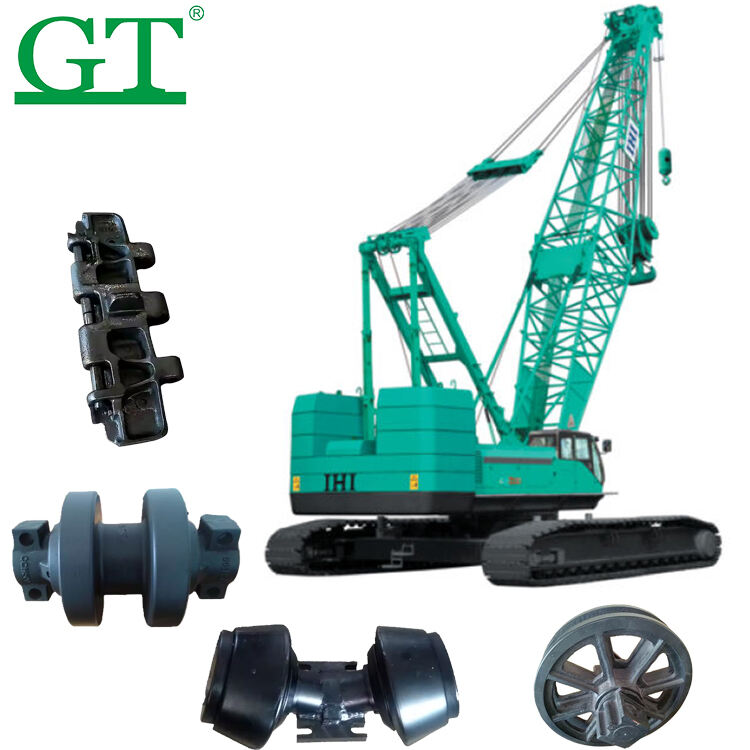
הדרדרות בבלאי: כיצד גלגלים, ציריות ושרשראות מסילות לא תואמים מאיצים את כשל המערכת
כאשר חלקים של תחתית הרכב אינם מתאימים כראוי, הם מתחילים סדרה שלמה של בעיות שאף אחד לא רוצה להתמודד איתן בהמשך. אפילו סטייה קטנה של גלגלת (רולר) בגודל של כ-1.5 מ"מ עלולה להגביר את המתח על חלקי הרצועה ב-27 אחוז בערך, לפי מחקרים אחרונים של האיגוד הבינלאומי להנדסת מכונות (IAEM) משנת 2023. תופעה זו יוצרת כוחות לא אחידים שפוגעים קשות בבושינג ומביאות לבלאי מהיר יותר של שיני הגלגל המניע (סプロקט). גם מה שמתרחש לאחר מכן הוא די גרוע. אי-האיזון מעביר רטט דרך כל שאר הרכיבים במערכת, מה שמביא לבלאי החתימות, נזק למסבבים ולחולשה בנקודות ההרכבה החשובות הללו. הבעיות האלה מצטברות עם הזמן. תוך כמה חודשים בלבד, אנו בדרך כלל רואים כי רצועות הנסיעה נמשכות רק 60% מהזמן שהן אמורות לארוך, והרולרים דורשים החלפה פעמיים בתדירות הרגילה. לכן, השימוש ברכיבים מדויקים וממתאמים זה לזה כבר בשלב הראשוני יוצר הבדל משמעותי. כאשר כל הרכיבים מתאימים זה לזה כראוי, הכוחות מתפלגים באופן אחיד על פני כל משטח מגע, ובכך מניעים מראש את הכשלים היקריים האלה.
עקרון ההנדסה: פרופיל שיני הגלגלן, המרחק בין השיניים של השרשרת והגאומטריה של החישוק חייבים להיות מעוצבים יחד
העברת הספק אופטימלית דורשת הנדסה מסונכרנת בין שלושה רכיבים תלויים זה בזה:
- פרופיל שיני הגלגלן , שמעוצב כדי לקלות את שטח החישוק ללא עומס נקודתי
- מרווח שרשרת , אשר קובע את זמן ההשתלבות ואת התפלגות הכוח האורכי
- הגאומטריה של החישוק , שמגדירה את שטח המגע ואת ריכוז המאמצים
כאשר סיבוב הספיקה עולה על 0.8 מ"מ, נוצרים כוחות הדריכה חזקים מספיק כדי לשבור שיניים של גלגל השיניים. חישוקים מקושחים עם דרגת קשיות בין 55 ל-60 HRC דורשים רמות קשיות מתאימות של השיניים, אם ברצוננו למנוע בעיות של שחיקה מוקדמת. מערכות שתוכננו יחדיו כבר בשלב ההתחלה שומרות על מתיחות השרשרת יציבה לאורך כל תקופת הפעולה. גישה זו מצמצמת את עליות העומס הפתאומיות ב-34% בערך, בהשוואה למערכות שבהן הרכיבים אינם תואמים זה לזה. כיתרון נוסף, מערכות מאולמות כראוי אלו מצליחות באופן עקבי להגיע ליעד החשוב של 10,000 שעות של חיי שירות, ללא כל בעיה.
השלכות ביצועיות של אי התאמה בין רכיבי התחתית
הפחתת האחז והיעילות של העברת הכוח עקב אי עקביות בזמן ומתיחות
רכיבים שאינם מתאימים כראוי מפריעים לזמן המדויק בין השיניים והשרשראות, מה שגורם להפחתת יעילות העברת הכוח בכללותה. אם השיניים של השיניים המניעות אינן מיושרות במדויק ביחס לחישוקים, התפלגות הכוחות הופכת לא מאוזנת. תוצאה זו גורמת להחלקה מחודשת ויכולה לפגוע ביעילות מערכת ההנעה בכ-12 אחוז. כאשר המערכת עומדת תחת עומס רב במיוחד, המתיחות הלא אחידה לאורך חלקים שונים של השרשרת גורמת ליצירת מקומות חילוף לא אחידים. מה התוצאה? נסיעה רגעית וירידה ביכולת לטפס על talpes. חשוב במיוחד בעת עלייה על talpes שזוויתן עולה על 15 מעלות, מכיוון שבזוויות אלו שליטה מדויקת בכוח אינה רק יתרון – היא הכרח מוחלט הן לביטחון והן לשם ביצוע העבודה בצורה יעילה.
רטט מוגזם ומעומס מבני: קישור אי-יישור בין גלגלת הסיבוב למגף לגבולות הפעלה (מעל 3.2 מ"מ/שנ' RMS)
כאשר נעלי הרים מתיישרות לא נכון, אפילו במעט מעבר למה שהיצרנים מציינים, מתחילות להצטבר רעידות מסוכנות ברחבי המערכת. סטייה זעירה של 0.8 מ"מ מהמסלול יכולה לגרום לרעידות אלו לגדול עד שהן עוברות את רמת ה-RMS הקריטית של 3.2 מ"מ/שנייה, שכולם יודעים שהיא מאותתתת על בעיה בשלמות המבנית. מה שקורה לאחר מכן הוא די פשוט: רעידות אלו עוברות דרך תושבות השלדה ומתחילות ליצור סדקים קטנים בריתוכים וסביב המיסבים. על פי מחקר שנערך לאחרונה בשנה שעברה על אמינות ציוד כבד, מכונות הפועלות מעבר לגבול רעידות זה זקוקות להחלפת חלקים כמעט חצי שנה מוקדם מהרגיל. השורה התחתונה? חשבונות התחזוקה מזנקים בין 30% ל-65% נוספים כאשר הציוד מגיע ל-10,000 שעות פעולה בתנאים אלה. עבור מנהלי מפעלים שעוקבים מקרוב אחר התקציבים שלהם, שמירה על סף זה עושה את כל ההבדל בעלויות לטווח ארוך.
ניווט בהתקשרות בין רכיבי התחתית של השוק החופשי
מעבר לממדים: למה 'שווה ערך' לא אומר 'תואם' – קשיחות החומר, טיפול حراري ותגובת עומס משתנה
כאשר בוחרים חלקי חילוף לחלקי גחון, אנשים מתמקדים לעתים קרובות יותר מדי רק בהתאמה המימדית שלהם. מה שבאמת חשוב הן תכונות החומר שקובעות אם משהו באמת יעבוד יחד כראוי. חלקים מסוימים עשויים להיראות כאילו ניתן להחליף אותם במקום אחרים, אך ישנם הבדלים גדולים מתחת. קחו לדוגמה את קשיות רוקוול. וריאציות מעל שלוש נקודות בסולם C חשובות מאוד. בנוסף, יש את האופן שבו הם מטופלים בחום וכיצד הם מגיבים ללחץ בזמן תנועה. מחקר שנערך לאחרונה משנת 2023 בחן מחפרי כרייה ומצא שכמעט 4 מתוך 10 כשלים מוקדמים של זחלים התרחשו מכיוון שהתותבים היו רכים מדי לפי הנחיות ASTM E18. אפילו כאשר הכל נמדד בדיוק נכון, החומרים הרכים הללו עדיין גרמו לבעיות בהמשך הדרך.
כאשר טיפולים תרמיים יוצאים מהספציפיקציה, זה פוגע קשות באינטגריות הרכיבים. לדוגמה, גלגלונים המוקשים באמצעות השראה: אם עומק הקליפה שלהם נמוך ב-15% בערך ממה שדורשים הספציפיקציות של היצרן המקורי (OEM), תהליך היווצרות סדקים עקב עייפות יתרה מואץ משמעותית כאשר הרכיבים נתונים לעומסים חוזרים העולים על 180 קילו-ניוטון. וכאן יש משהו עוד יותר חמור: במהלך מצבים של מתח כבד זה, אנו רואים לעתים קרובות בעיות בהתנהגות הרכיבים תחת עומס — התגובות משתנות באופן בלתי יציב. ציר שיניים (סプロקט) שלא תואם את חוזק הזרימה הנדרש עלול להתחיל להתעקל בהרבה לפני הזמן הנכון, לעיתים קרובות כבר ב-80% מהקיבולת המוצהרת שלו. מצב זה מסכן את כל המערכת, ועשוי לגרום לקפיצות שרשרת ואף לתקלות מערכתיות מוחלטות בעתיד.
תמיד אמת את אישורי המטאלורגיה — כולל מבחני קשיות ויקרס לפי תקן ISO 6507 — והשווה את דירוגי העומס הדינמיים לתכנונים המקוריים של היצרן (OEM). יצרנים מהימנים מספקים דפי נתוני חומר מלאים; השוואה מחמירה היא חובה מוחלטת כדי למנוע תקלות מערכתיות יקרות.
הנחיות מומלצות לאופטימיזציה התאמה של רכיבי התחתית
להשיג תוצאות מדויקות מתחיל בבדיקה זהירה של המידות. נהוג טוב למדוד את המרחק בין השיניים של השרשרת (pitch), את גודל הבושינג, ואת המראה של השיניים על הגלגלות באמצעות קולימטרים קליברטיים מתאימים, בהשוואה לדרישות יצרן הציוד המקורי. מחקר שפורסם בכתב העת 'Journal of Mechanical Engineering' בשנה שעברה מצא שאם סטיית מדידת המרחק בין השיניים עולה על חצי מילימטר (בפלוס או במינוס), חלקים נוטים לבלוֹת כ-47% מהר יותר מאשר במצבי נורמה. כשמדובר בהתאמה של חומרים, מבחני קשיחות הם חשובים ביותר. ערכי הקשיחות לפי מדד רוקוול C של הבושינג והגלילים צריכים להיות דומים, בטווח של 55–62 HRC, וכולם חייבים לעבור את אותה תהליך טיפול حراري, כדי למנוע אי-איזון בהצטברות מתחים. בהתקנה יש לפעול בדיוק לפי דרישות המומנט שהיצרנים ציינו, כדי להבטיח מתח אחיד בכל המערכת. גם בדיקת יישור כפות הסליל (track shoes) בעזרת רמות לייזר היא הגיונית, מאחר שסטייה של יותר מ-2 מ"מ למטר עלולה לגרום לרעידות שמעבירות את גבול הבטיחות המקובל של כ-3.2 מ"מ/שנ' (RMS). שמירת רשומות דיגיטליות של דפוסי הבלאי ורשימת מספרי הסדרה של הרכיבים עוזרת לחזות מראש מתי עלולים הרכיבים להיכשל, לפני שכך קורה בפועל. דוחות שדה ממכרות אגרגטים מראים כי גישה זו מקצרת את זמן העיכובים בכמעט שליש בסביבות קשות, שבהן אבק וחצץ מהווים בעיה מתמדת.
שאלות נפוצות
מהן הסיבות הנפוצות להתאמה לקויה של רכיבי התחתית?
אי התאמות עלולות לנבוע מהתאמות לקויות בתכונות החומר, ממדדים שגויים או טיפול حراري לא מתאים. חוסר סנכרון בעיצוב ובייצור בין פרופילי השיניים של הגלגיליות, המרחקים בין הקישוטים של השרשרת והגאומטריה של הצינורות גם הוא עלול לגרום לבעיות.
למה חשובה קשיחות החומר ברכיבי התחתית?
קשיחות החומר משפיעה על התנגדות לבלאי ועל התפלגות המטענים. רמות קשיחות מתאימות עוזרות למנוע בלאי מוקדם ולשפר את העמידות. הבדלים במדד הקשיחות לפי סקלה של רוקוול C עלולים ליצור אי-איזונים ותרכוז מתחים, מה שמשפיע בסופו של דבר על הביצועים.
איך רכיבים משוק ההחלפה יכולים להשפיע על השלמות המיכנית?
אפילו אם רכיבי שוק ההחלפה נראים זהים בממדים, הבדלים בתכונות החומר, בטיפולים החמים ובתגובת המטענים עלולים לגרום לחוסר תאימות. שינויים אלו עלולים להוביל לתקלות ברכיבים ולעלות תחזוקה מוגברת.

