
#704,No.2362,Fangzhong Road,Xiamen,Fujian,China,361009 +86-13860439542 [email protected]
The Strategic Value of Small Rubber Tracks: Unlocking the Ultimate Performance of Compact Equipment
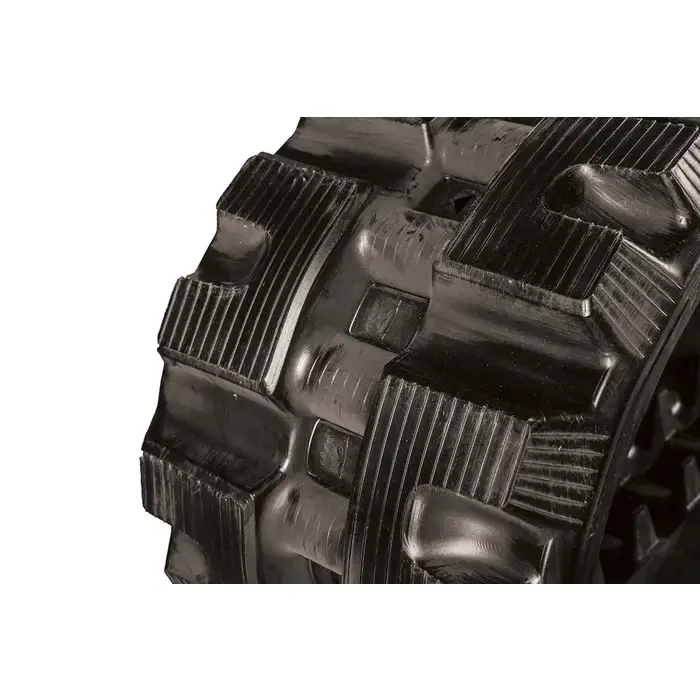
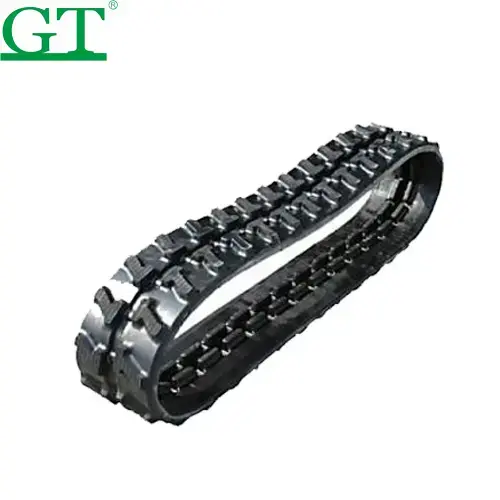
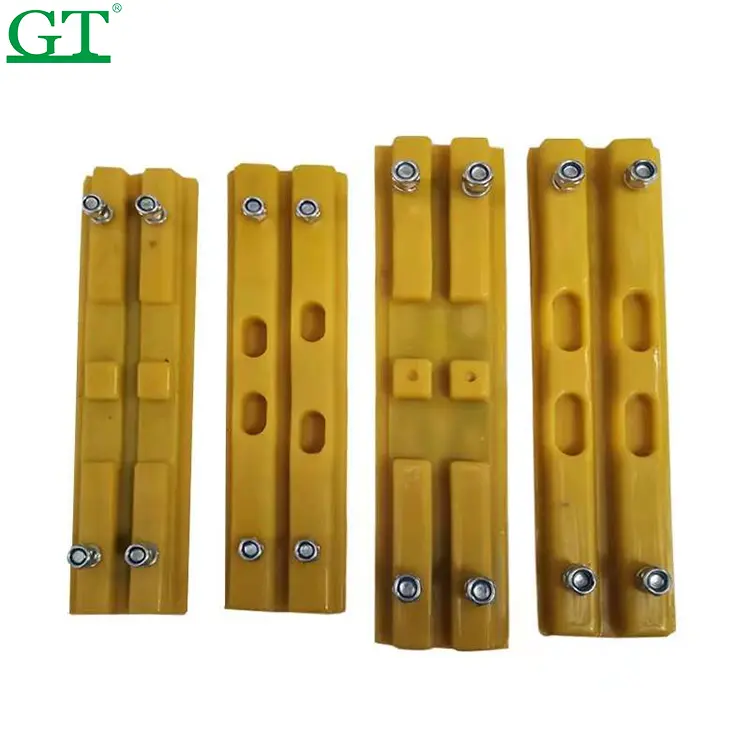
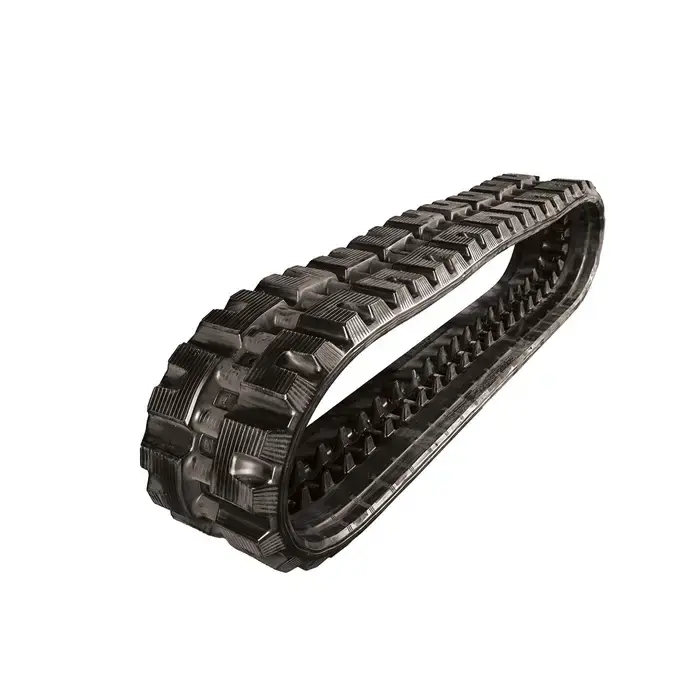
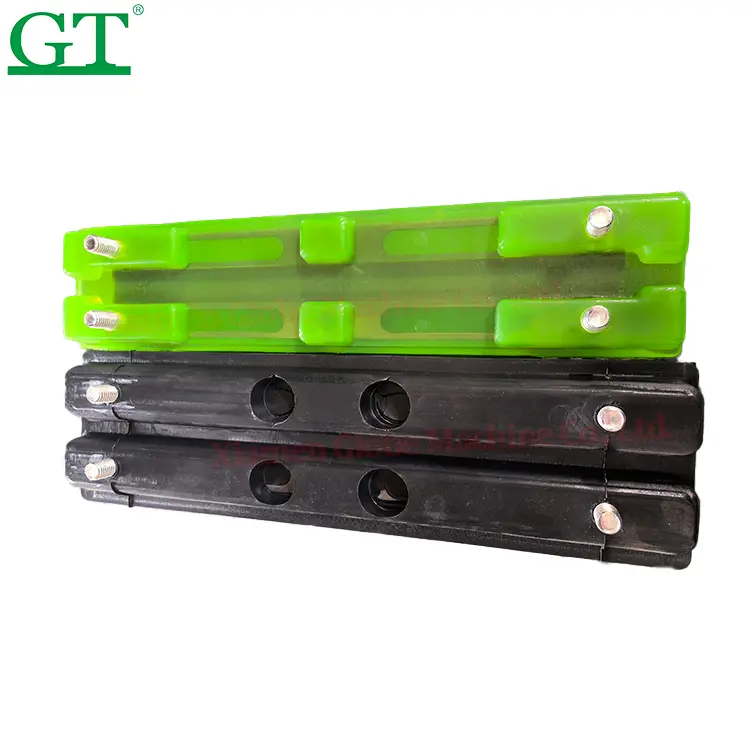
Small rubber tracks (also known as rubber track plates) represent a revolutionary solution in the engineering machinery sector, addressing the inherent drawbacks of traditional tires and steel tracks through precision engineering. Their core value lies in their ground protection capabilities: with a design featuring ultra-low ground pressure of 3.5 PSI, these tracks effectively prevent damage to lawns, paved surfaces, and fragile terrain, reducing ground disturbance by up to 90% in municipal construction or agricultural applications. Compared to traditional tires, their unique pressure-dispersing structure reduces soil compaction by 40%, directly protecting agricultural yields and landscape engineering investment returns.
In terms of extreme condition adaptability, the aramid-reinforced belt layer and wide-temperature-range rubber compound (-40°F to 160°F) confer breakthrough performance on the product. Field tests show that in scenarios where tires fail, such as on a 30° slope, in mud up to 40 cm deep, or on hard frozen soil, the small rubber tracks maintain over 87% traction efficiency while suppressing operating noise to 73 decibels (50% lower than steel tracks), meeting the stringent noise reduction requirements of sensitive areas like hospitals and schools.
The economic benefits are even more compelling: the patented structure with an embedded anti-stretch steel core extends track lifespan to over 2,000 hours, increasing the replacement cycle by 70% compared to standard products. This translates to a 45% reduction in annual maintenance costs, while the puncture-resistant design eliminates downtime losses caused by tire blowouts. More importantly, these tracks maintain a track pitch accuracy of 0.15mm, protecting the equipment's hydraulic system and transmission mechanisms from misalignment damage. Over the entire lifecycle of a single piece of equipment, this can save $9,200 in critical component replacement costs.