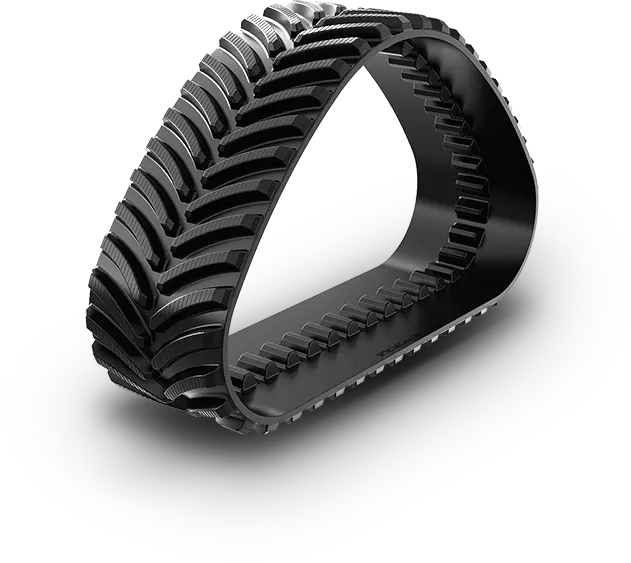
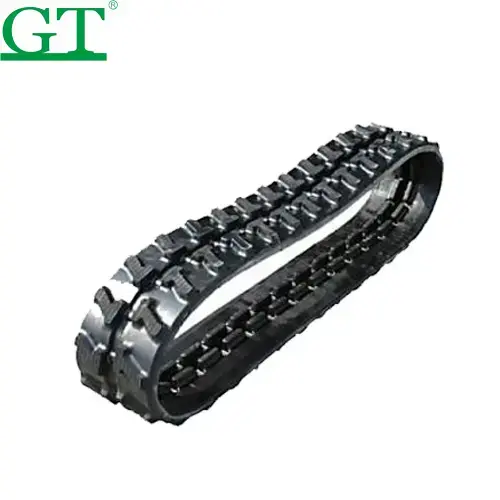
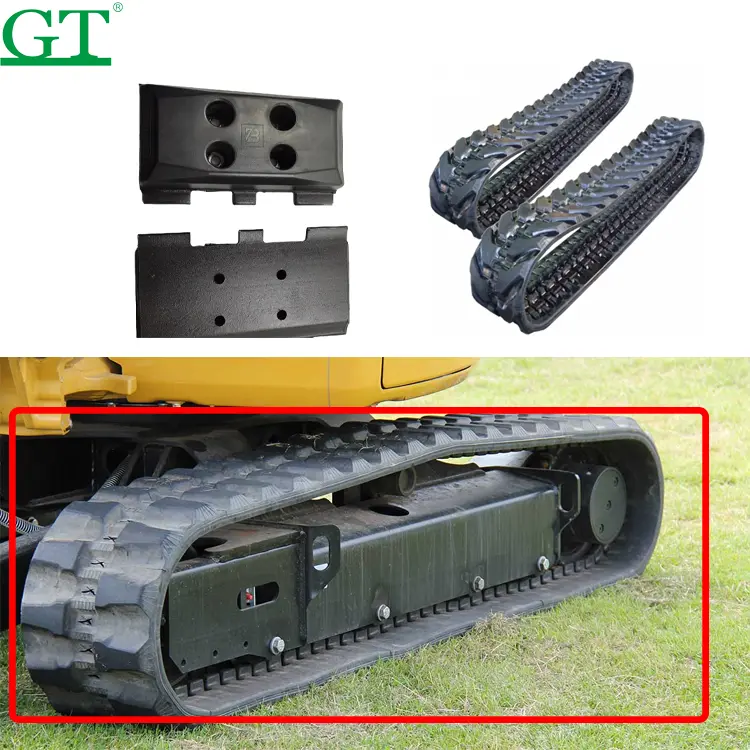
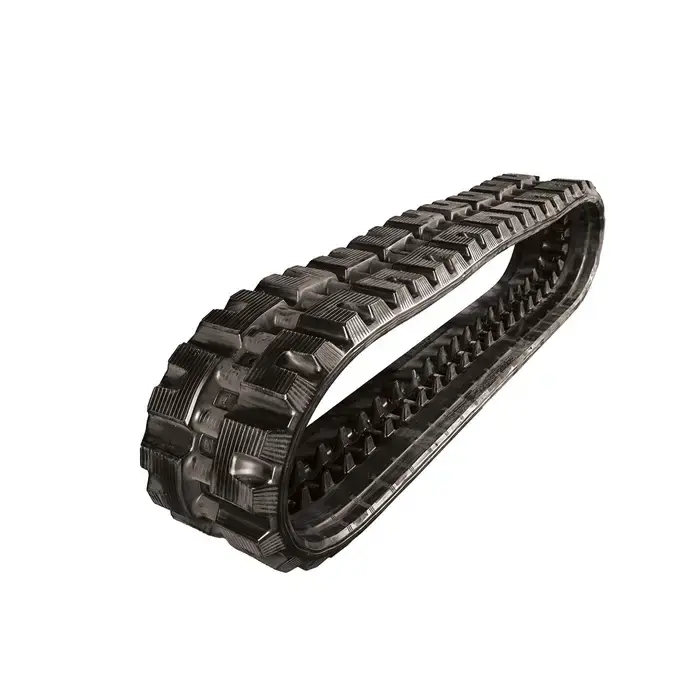
Rubber tracks have evolved from simple replacement parts to core solutions for engineering efficiency and site adaptability in modern excavators. Compared to traditional steel tracks, their core value lies in addressing three major industry pain points: ground protection requirements, noise regulation restrictions, and comprehensive operational costs. In urban construction projects, the non-marking properties of rubber tracks completely eliminate the scratching damage caused by steel tracks on delicate surfaces such as asphalt, concrete, and landscaped areas, directly reducing the risk of construction claims. Additionally, their unique vibration-damping structure reduces equipment noise by over 50%, not only meeting stringent urban construction noise standards (such as the EPA 90dB limit) but also significantly enhancing operator comfort during prolonged operations.
In terms of performance, rubber tracks demonstrate remarkable environmental adaptability. Through a high-elasticity rubber compound and tear-resistant fiber layer design, their traction efficiency on wetlands, slopes, or icy/snowy surfaces is 40% higher than steel tracks, effectively preventing safety risks caused by equipment slippage. For light to medium-duty excavators, rubber tracks eliminate traditional trailer transportation costs—the equipment can be moved directly on roads, saving 200–500 in transportation expenses per short-distance deployment. More importantly, on non-abrasive surfaces (such as grass or hardened pavement), rubber tracks have a lifespan 2–3 times longer than steel tracks, significantly reducing chassis maintenance frequency throughout the equipment's lifecycle.
From an application perspective, rubber tracks have become an essential configuration in fields such as municipal maintenance, indoor demolition, and high-end landscape engineering. When equipment needs to operate on brick and stone surfaces in historic districts, it can avoid damaging historical sites; during indoor renovations in shopping malls, eliminating metal track friction sparks complies with fire safety regulations; and even in high-end venues like golf courses, the discreet construction characteristics ensure the owner's experience value. These technical advantages translate into direct economic benefits: contractors can bid on high-premium sensitive site projects using rubber track equipment, while equipment rental companies can reduce ground compensation disputes by 90%.
 EN
EN