For mini excavator owners and operators, a variable or retractable undercarriage is one of the most useful features when working in confined spaces. Whether accessing a backyard through a narrow gate, maneuvering inside a building, or working along tight property lines, the ability to adjust track width improves both accessibility and machine stability.
This article explains how the system works and outlines practical maintenance steps for keeping the sliding rails and sealing components in good condition.
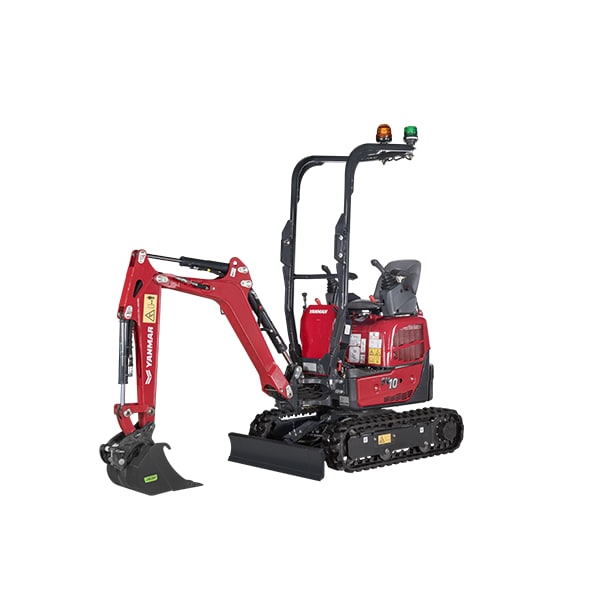
A retractable undercarriage allows the track frames to move inward or outward relative to the machine's center frame.
When retracted, the machine becomes narrower, making it easier to pass through restricted openings. Once in the work area, the tracks can be extended to increase the machine's footprint and improve stability during digging, lifting, and grading operations.
The system typically consists of:
The entire mechanism is designed to withstand harsh operating conditions, but because it is constantly exposed to mud, sand, dust, and debris, regular maintenance is essential.
The sliding rail assembly is the foundation of the retractable undercarriage system. Every time the tracks are extended or retracted, the rails guide the movement and support the load.
Over time, contaminants can accumulate inside the slide channels. If left unchecked, dirt and abrasive particles can accelerate wear, increase friction, and affect the smooth operation of the undercarriage.
Common causes of premature rail wear include:
Routine inspection helps identify these issues before they develop into costly repairs.
Cleaning should be part of the machine's regular maintenance schedule, especially after working in muddy or dusty environments.
A recommended procedure is:
When washing the machine, avoid directing high-pressure water streams directly at seals. Excessive pressure can damage sealing lips and force contaminants deeper into protected areas.
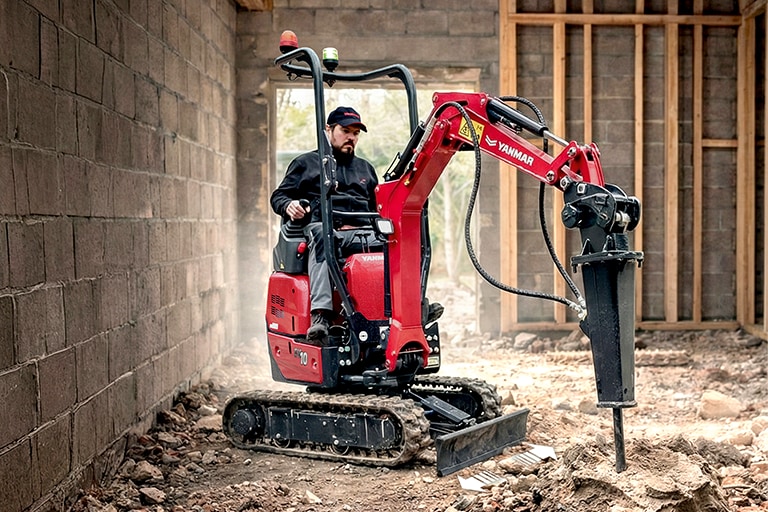
Proper lubrication reduces friction and protects metal surfaces from wear and corrosion.
Operators should follow the maintenance intervals specified by the equipment manufacturer and pay particular attention to:
Applying too much grease can be counterproductive. Excess lubricant often attracts dust and abrasive particles, creating a paste that accelerates wear. A clean, properly applied lubricant film is generally more effective than excessive grease buildup.
Seals play a critical role in protecting the retractable undercarriage.
Their primary functions are to:
Because seals are exposed to constant movement and contamination, they should be inspected regularly.
Look for signs such as:
Even minor seal damage can allow contaminants to enter the sliding assembly and accelerate wear on rails and guide surfaces.
Operators should investigate the system if any of the following symptoms appear:
Addressing these issues early can help avoid damage to hydraulic cylinders, guide rails, and structural components.
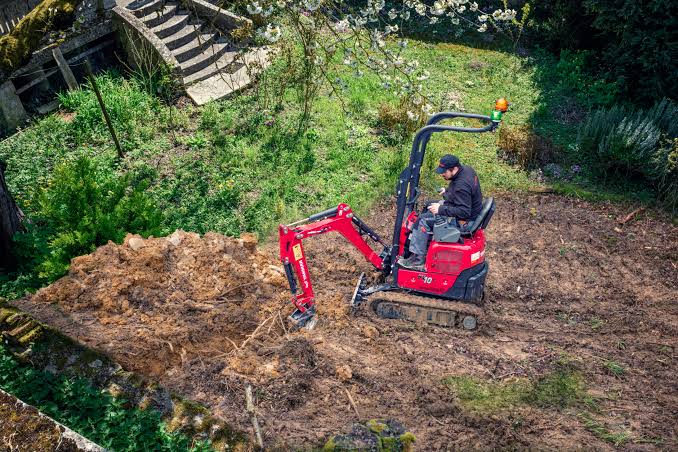
Working in confined spaces often requires frequent adjustments of track width. A few simple operating habits can help extend component life.
Whenever possible, clean excessive mud from the undercarriage before extending or retracting the tracks. This reduces the amount of debris drawn into the sliding mechanism.
Attempting to adjust track width while the machine is heavily twisted on uneven ground can place unnecessary stress on rails and guide components.
If the undercarriage does not move smoothly, stop and inspect the system. Forcing hydraulic movement against an obstruction can damage rails, seals, or cylinders.
Frequent extension and retraction increase wear on all moving parts. Adjust the undercarriage only when operational requirements make it necessary.
A retractable undercarriage significantly improves the versatility of a mini excavator, allowing it to access restricted areas while maintaining stability when required. However, reliable performance depends on the condition of the sliding rails, guide surfaces, and sealing components.
Regular cleaning, proper lubrication, routine seal inspections, and careful operation can help prevent premature wear and reduce maintenance costs. For operators who frequently work in narrow-access environments, these practices are essential to maintaining smooth undercarriage operation and maximizing service life.


 EN
EN