Why Global Cost Increases Are Reshaping the Heavy Equipment Parts Industry
The global engineering machinery industry is facing a new wave of cost pressure in 2026. From steel and aluminum to rubber, copper, and energy, raw material prices continue to fluctuate due to supply chain disruptions, geopolitical tensions, environmental regulations, and increasing global demand.
For manufacturers, distributors, and buyers of construction machinery parts, understanding these price trends is essential for cost control, inventory planning, and long-term procurement strategies.
Rising Steel Prices Continue to Impact Core Components
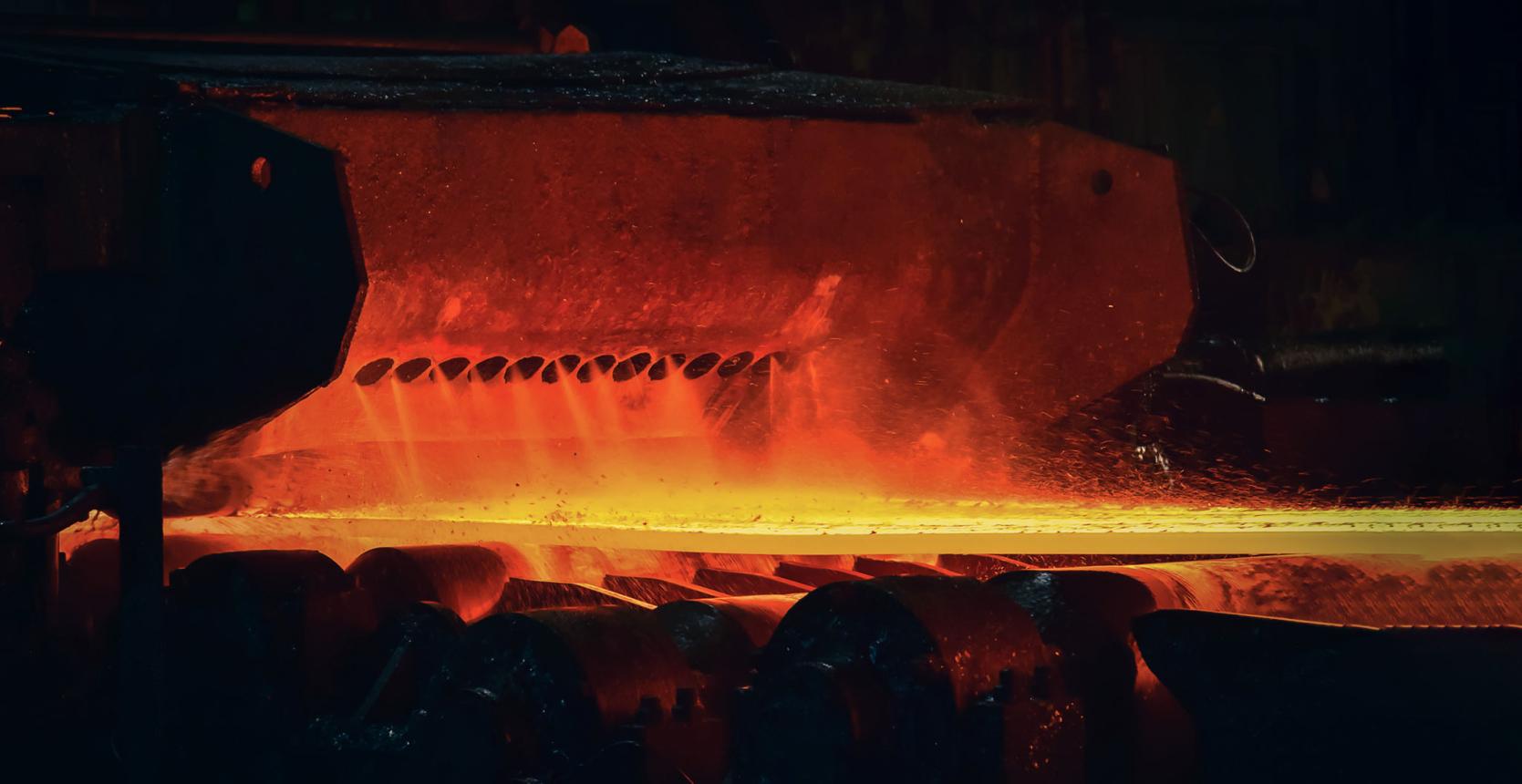
Steel remains the most important raw material in the construction machinery parts sector. Components such as undercarriage parts, buckets, sprockets, rollers, track chains, hydraulic cylinders, and structural frames all rely heavily on high-grade steel.
Key Reasons Behind the Increase
As a result, many machinery parts manufacturers are experiencing significantly higher production costs compared to previous years.
Copper and Aluminum Prices Affect Hydraulic and Electrical Parts
Hydraulic systems and electrical components require large amounts of copper and aluminum. These materials are widely used in:
With the global expansion of renewable energy, electric vehicles, and industrial automation, demand for copper and aluminum has surged across many industries, creating additional pressure on machinery parts suppliers.
Manufacturers are now seeking:
Alternative sourcing channels
Long-term supplier agreements
Improved production efficiency
Material-saving engineering designs
Rubber Costs Increase Tire and Seal Production Expenses
Rubber is another critical raw material for engineering machinery parts, especially for:
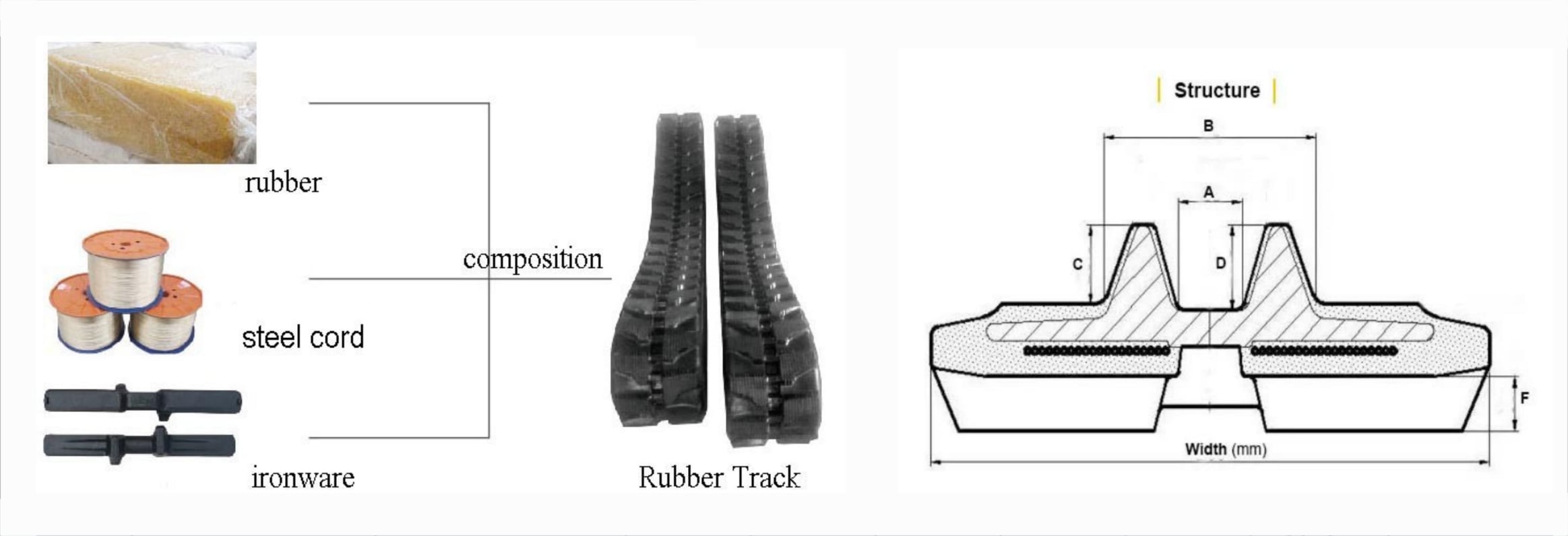
Natural rubber supply has been affected by:
This has directly increased the manufacturing cost of wear parts and consumable components.
Besides raw materials themselves, transportation and energy prices are also contributing to higher overall costs.
International shipping rates remain volatile, while electricity and fuel prices continue to affect:
For export-oriented machinery parts suppliers, these factors significantly impact final pricing and profit margins.
How Machinery Parts Manufacturers Are Responding
To manage cost pressure and maintain competitiveness, many suppliers are adopting several strategies:
1. Optimizing Supply Chains
Companies are diversifying raw material suppliers and increasing localized procurement to reduce dependency on single-source markets.
2. Improving Production Efficiency
Advanced CNC machining, automated welding, and lean manufacturing help reduce waste and improve productivity.
3. Increasing Inventory Planning
Many manufacturers are securing raw materials earlier to avoid future price spikes and supply shortages.
4. Developing Higher-Durability Products
Longer-lasting parts help customers reduce replacement frequency and total operating costs.


 EN
EN