 EN
EN

The Engineering Behind Triangular Rubber Tracks
How Triangular Geometry Enhances Structural Integrity and Load Distribution
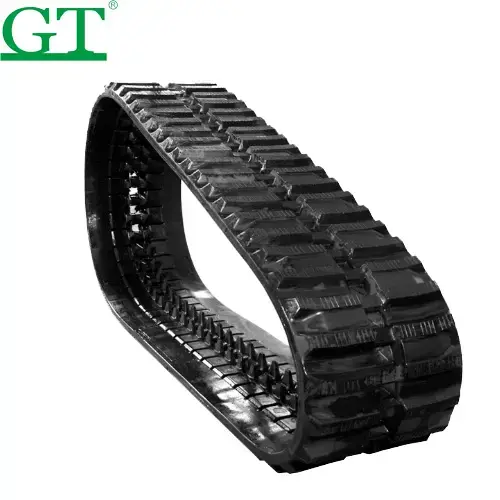
Rubber tracks shaped in triangles actually work better for distributing weight and keeping things structurally sound compared to old school track systems. When looking at the triangle shape itself, there are several points where it touches whatever surface it's on. This helps spread out the weight more evenly so certain spots don't get too stressed out. Engineering studies show that ground pressure drops somewhere around 35-40% when using these triangular designs versus regular tracks, plus they handle rough ground much better. Another nice feature is the open design that lets dirt and other junk fall down through instead of building up on top. Because of all this, machines can carry bigger weights without wearing down as fast, which means longer lasting performance even when working in tough environments day after day.
Optimizing Rubber Compounds for Durability in High-Stress Environments
Triangular rubber tracks depend heavily on special rubber mixtures designed to handle intense stress situations. What makes these materials stand out is how they strike a balance between stretchiness, ability to withstand tearing, and resistance to weather damage. Many premium versions actually include steel reinforcement cords inside to boost their strength when pulled or stretched. When put through rigorous tests lasting around 2,000 operational hours in tough conditions, these top quality rubbers tend to last about 60% longer than regular ones before showing significant wear signs. Another big plus is their flexibility even in really cold or hot environments ranging from minus 40 degrees Fahrenheit all the way up to 160 degrees Fahrenheit. Plus, they don't break down easily when exposed to sunlight, oil spills, or chemical treatments frequently encountered at construction sites and farms. Manufacturers achieve this durability by carefully managing how polymers bond together during production while also adding ingredients such as carbon black which protects against sun damage and silica particles that help prevent tears from forming over time.
Enhancing Ground Traction with Triangular Rubber Tracks
The Science of Tread Patterns: Maximizing Grip on Variable Surfaces
The way we engineer tread patterns makes a big difference for those triangular rubber tracks when it comes to getting good grip on all kinds of ground. These tracks have these interlocking parts called lugs and sipes that actually adjust themselves depending on what kind of surface they're moving over. Think about muddy fields versus rough rocks - the design increases how much surface area touches the ground at any given time while keeping the pressure spread out evenly across the track. What this means is less slipping around even when carrying heavy stuff, plus better digging into the soil without packing everything down too tight. Tests done on farm equipment show that these improved treads can boost traction performance by roughly 40 percent over regular rubber tracks. This improvement really stands out on soft or wet ground where normal tracks just don't work as well. Getting the right balance between lug depth, how far apart they are spaced, and their angles is crucial if manufacturers want maximum grip without damaging the terrain underneath.
Case Study: Traction Performance Gains in Agricultural Machinery
Tests out in the fields show that farm machinery with triangular rubber tracks really grips better than regular wheels do. When tractors rolled on these special tracks instead of standard wheels, they pulled about 25% harder across the same kind of ground. Farmers noticed something interesting too – their machines slipped much less. Instead of losing 15 to 20% of movement through the dirt, the slip rate dropped down to around 5 or 8% when working hard in tough conditions. What does this mean for actual farming? Well, folks who switched reported finishing their work in the fields about 15 to 20% quicker. Plus, they burned roughly 12% less fuel because the engine wasn't fighting against spinning wheels so much. These differences matter most when things get muddy after rains or when dealing with sandy soil that makes normal tires struggle. Traditional setups usually need to go over the same spot several times just to get the job done properly.
Improving Equipment Stability on Rugged and Uneven Terrains
Uniform Load Distribution and Reduced Ground Pressure
Rubber tracks shaped like triangles really boost stability because they spread out weight evenly over the whole contact area. This cuts down ground pressure quite a bit when compared to regular wheels or standard track systems. The result? Less sinking into soft ground or muddy spots. The triangle shape actually creates better contact with whatever surface the machine is moving on. Some research from last year showed that machines equipped with these triangular tracks put about 40 percent less pressure on the ground than their wheeled versions. That makes all the difference when operating on delicate surfaces or rough terrain where normal equipment might get stuck. Plus, operators don't have to worry about losing mobility despite the improved traction characteristics.
Case Study: Stabilization of Construction Equipment on Sloped Terrain
During tests on excavators working on slopes between 15 and 25 degrees, machines equipped with triangular rubber tracks showed around 60% improvement in stability compared to standard track systems. Field operators noticed they felt much more secure when maneuvering, especially on gravelly ground or steep hills where sideways movement can be dangerous. The special triangle shape gives extra support from side to side, which helps keep the machine balanced and stops it from tipping over unexpectedly. This kind of stability makes a big difference for worker safety too. Fewer accidents means less time lost due to equipment failures or injuries during risky digging tasks on challenging terrain.
Industry-Specific Performance Benefits of Triangular Rubber Tracks
The application of Triangular Rubber Tracks delivers distinct operational advantages across sectors, optimizing both machinery performance and site-specific outcomes.
Agriculture: Minimizing Soil Compaction While Maximizing Mobility
Soil structure matters a lot when it comes to growing healthy crops with good yields. Recent research from agricultural scientists shows that triangular rubber tracks can cut down ground pressure around 60 percent compared to regular track systems. This makes a real difference in preventing those deep ruts and compacted soil layers that form especially after heavy rains. Farmers have noticed this benefit firsthand during spring planting seasons. What's interesting too is how these wide tracks improve grip. Tractors and combines can actually move better through muddy fields and rough terrain without burning extra fuel or getting stuck, which saves money and keeps operations running smoothly even under tough field conditions.
Construction: Enhanced Maneuverability and Operator Safety
Triangular Rubber Tracks make all the difference when working on construction sites where balance matters most. These tracks handle slopes, gravel patches, and shaky ground much better than standard options. What really stands out is how they spread weight across the surface while maintaining solid traction. This means machines can move over things like newly laid pavement or carefully planted gardens without leaving scars behind. Safety becomes less of a worry too since there's far less chance of equipment tipping over during tricky maneuvers. Many contractors have noticed their projects run smoother now with fewer interruptions caused by damaged surfaces needing repair later on. For jobs that demand careful positioning in complicated settings, these specialized tracks just seem to fit right into what modern construction needs.
Customization and Adaptability for Optimal Performance
Tailoring Tread Designs to Balance Traction, Stability, and Surface Protection
Getting the right tread pattern makes all the difference when it comes to triangular rubber tracks working well in various situations. Farmers tend to go for wider, shallower lugs because they float better over soft ground without tearing up the soil too much, yet still hold their own when needed. Construction sites and forests tell a different story though. Here we see deeper, more aggressive treads made from tougher materials that really bite into rocky or sloped surfaces. The whole point of these specific designs is to strike just the right mix between getting good grip, keeping machines steady, and not causing unnecessary damage to whatever surface they're rolling on. Different jobs call for different approaches after all.
Matching Track Specifications to Operational Demands Across Applications
Picking out the correct triangular rubber tracks means matching technical specs to what actually gets done on site. The main factors to consider are track width, how hard the rubber is, what kind of reinforcements are used, and the general shape of the track itself. These elements all affect how well the machine grips the ground, lasts over time, and interacts with different surfaces. A recent study from 2023 looking at farm equipment showed some pretty impressive results when tracks were selected correctly. Soil compaction dropped around 40 percent in some cases, while machines used about 15% less fuel compared to regular tracks. When manufacturers take this methodical approach to selecting tracks, everything from garden mowers to heavy mining trucks gets exactly what they need for their particular jobs. This attention to detail makes equipment last longer, operates safer, and ultimately gets more work done without breaking down.
FAQ
What are triangular rubber tracks?
Triangular rubber tracks are specialized track systems designed with a triangular geometry to enhance load distribution, ground traction, and stability in various industrial applications.
Why are triangular rubber tracks more effective than traditional tracks?
Triangular rubber tracks offer improved weight distribution, reduced ground pressure, enhanced traction, and greater durability in high-stress environments compared to traditional track systems.
How do triangular rubber tracks benefit agricultural machinery?
They minimize soil compaction and maximize mobility, allowing machinery to move efficiently in muddy fields and rough terrain without getting stuck or burning extra fuel.
Can triangular rubber tracks be customized for different applications?
Yes, these tracks can be tailored with specific tread designs and materials to balance traction, stability, and surface protection for various industries like agriculture and construction.
Do triangular rubber tracks improve operator safety?
Yes, they enhance machine stability, especially on slopes and uneven terrains, reducing the risk of tipping over and improving operator safety during maneuvers.

