 EN
EN

Superior Traction and Stability on Challenging Terrains
How Triangular Rubber Tracks Enhance Grip on Uneven Surfaces
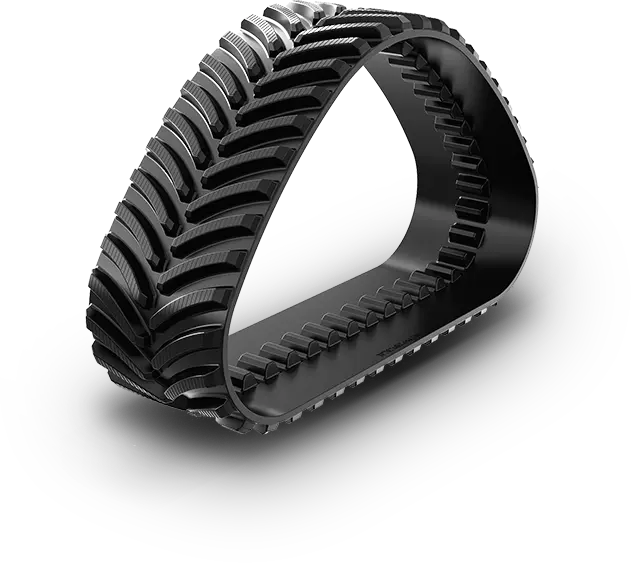
Rubber tracks shaped like triangles give machines better grip because they touch the ground over a bigger area thanks to their special geometry. Traditional designs just don't compare since these triangular tracks create several small pressure spots that adjust themselves when moving across rough ground. This helps prevent slipping on hills, gravel roads, and wet patches that would normally stop other equipment dead in its tracks. With more surface area touching the earth, the weight of the machine gets spread out better so it doesn't dig into the soil as much or cause damage at specific points. The rubber used here is specially formulated with deep treads that really bite into surfaces while also pushing away mud and dirt from under the track. All these features work together so operators can keep going up steep slopes over 30 degrees without losing control or getting stuck somewhere wheeled vehicles or older tracked systems simply wouldn't make it.
Stress Distribution and Load-Bearing Advantages of Triangular Design
Triangular configurations work really well for spreading out stress throughout the whole track system. When we talk about those three-point setups, they create what's basically a stable triangle that carries weight from the main drive sprocket all the way down through those little rollers to the actual ground contact points. What makes this shape so effective is how evenly it distributes tension across everything involved. We're talking about cutting down on those sudden stress peaks by maybe around 40% when compared to older design approaches. That means these triangular rubber tracks can handle much heavier stuff without wearing themselves out too quickly inside. Plus, because the pressure gets spread out so nicely, there's no risk of creating those sharp spikes in the ground that damage surfaces. Farmers love this setup for their tractors, and construction crews find it invaluable when working on sensitive terrain where preserving the ground matters a lot.
Performance in Muddy, Rocky, and Soft Ground: Real-World Applications
Triangular rubber tracks really shine when things get muddy because they clean themselves as they go along and float better over wet ground. The shape of these tracks keeps them from getting stuck in mud since they don't fill up with dirt like other options do. Plus, their wide base spreads out the weight so pressure on the ground stays around 3 to 4 psi, which means they won't sink into soaked soil. When dealing with rocks, the rubber bends easily to fit all those bumps and cracks, staying in touch with the ground even when regular tracks would just bounce off. We've seen this work wonders in places where there's lots of sand or snow too. Tests show these special tracks float about 40 percent better than standard ones, making it possible to move through terrain that would normally stop most machines dead in their tracks. For folks working in nature reserves or other delicate environments, this kind of track system makes a big difference in protecting the landscape while still getting the job done.
Innovations in Tread Patterns for Maximum Terrain Adaptability
The latest triangular rubber tracks come equipped with some pretty impressive tread tech designed to handle all sorts of ground conditions. The directional lug pattern gives machines solid grip when pushing through soft dirt or mud, yet still lets them back up smoothly without tearing up the earth underneath. What makes these tracks really stand out are those staggered tread blocks at different angles. They create grip in multiple directions, which means better stability when working on slopes or making sharp corners. A few manufacturers have started using rubber compounds with varying densities too. The middle part stays hard so it lasts longer, while the sides remain softer to adapt better to uneven surfaces. All these improvements mean operators can use one track system on almost any job site instead of constantly switching between different setups for different terrains.
Enhanced Operator Comfort Through Vibration and Noise Reduction
Lower Vibration Levels in Modern Machinery with Rubber Track Systems
The triangular shape of rubber tracks helps cut down on how much vibration gets passed along to machine operators because rubber naturally dampens shocks. Steel tracks just pass those impacts straight through, but rubber actually soaks up and spreads out the energy before it even makes it into the operator's area. Studies looking at ergonomics have found machines with this kind of system can show around 35 percent less vibration overall. This makes a real difference for people working with compact loaders or farming equipment that spends hours bouncing over uneven ground day after day.
Damping Properties of Rubber Tracks in Construction and Agricultural Use
The best rubber materials used in those triangle shaped tracks really cut down on vibrations throughout various industrial settings. These tracks soak up all those high frequency shakes coming from rough ground, and their triangular shape helps distribute the force of impacts more evenly along the whole length. The result? Cabin noise stays pretty much at around 72 decibels, which is actually comparable to what people hear in most offices. Workers who spend hours inside these machines find themselves far more comfortable over time because of this reduced noise level.
Reducing Operator Fatigue During Extended Field Operations
Triangular rubber tracks cut down on both vibration and noise levels, which makes all the difference for operators working long hours on machines. Research has shown that these damping systems can slash discomfort by around 30-35% across an entire day's work. The benefits go beyond just comfort too. Operators report staying focused longer, getting more done, and experiencing fewer back and joint problems from constant jarring motions while running heavy machinery.
Durability and Long-Term Cost Efficiency of Triangular Rubber Tracks
Triangular rubber tracks combine robust construction with cost-effective performance, making them well-suited for demanding agricultural and construction environments. Their design withstands heavy loads and harsh conditions, extending service life and reducing maintenance needs.
Withstanding Heavy Loads and Harsh Conditions in Construction
Triangular rubber tracks with reinforcement stay strong even when facing heavy weights and rough ground conditions. Field tests in mining operations show these tracks last around 30% longer than standard models according to what operators report from day to day work. The fact that they wear down slower and need less fixing makes them a smart choice for construction machinery working through tough environments where downtime costs money and safety matters most.
Advances in Rubber Material Science for Improved Wear Resistance
Modern rubber compounds integrate reinforced steel cords and specialized fabric layers to enhance strength and flexibility. These materials resist abrasion, weathering, and chemical exposure, significantly extending track life in tough operational environments. Such advancements ensure reliable performance even under continuous stress.
Service Life Comparison: Triangular Rubber Tracks in High-Intensity Environments
In high-intensity applications, triangular rubber tracks outperform traditional systems, achieving up to 10% greater operational uptime. Their consistent performance across varied terrains reduces replacement frequency and downtime. This extended service life directly lowers total cost of ownership over the equipment’s lifespan.
Balancing Flexibility and Durability in Track Design
A triangular setup works really well when we need something that can be both flexible and tough at the same time. The shape holds together pretty solid even on rough ground because it creates several points where it touches the surface below. These points help spread out any pressure or weight across different areas instead of concentrating everything in one spot. For people who work with heavy stuff or move around on all sorts of terrain, this kind of design makes sense since it handles tough jobs without breaking down too quickly. Plus, over time, equipment built this way tends to last longer than other configurations simply because stresses get distributed better throughout the whole structure.
Improved Equipment Stability and Versatility Across Applications
Stabilization on Slopes and Loose Substrates in Construction Sites
Triangular rubber tracks provide superior stability on sloped and unstable construction terrain. The three-point contact geometry creates a wider effective footprint, distributing weight evenly and preventing sinkage. This enhanced stability allows safe operation on inclines up to 30 degrees and reduces rollover risks on uneven ground.
Geometric Benefits of the Triangular Track Configuration
Triangular shapes actually boost the ground contact area around 40% more than rectangular ones, yet still fit into a smaller overall space. This geometry helps distribute the machines weight more evenly across the track system which brings down the center of gravity significantly. Balance gets better too. When making those sharp turns, the angular profile allows for smoother weight distribution from one side to another. Less disruption happens to the terrain underneath while navigating tight corners becomes much easier in restricted work areas where every inch matters.
Multi-Use Performance: From Farms to Off-Road Construction Zones
Triangular rubber tracks work just as well on gentle farmland as they do on tough construction grounds, all without needing any adjustments or extra parts. What makes these tracks so good? They combine special rubber materials that bend easily with their triangular shape that stays stable even when things get rough. Farmers find they handle muddy fields great while contractors love how they grip over rocks and gravel without getting damaged. For people who switch between different jobsites regularly, this kind of track saves money because there's no need to buy separate equipment for each type of ground condition. A single set can last through seasons of planting crops and then months of building roads right after.
FAQ Section
1. What are the key benefits of triangular rubber tracks?
Triangular rubber tracks offer enhanced grip on uneven surfaces, stress distribution, lower ground pressure, reduced vibration and noise, and increased durability and cost efficiency.
2. How do triangular tracks perform on muddy and rocky terrain?
They excel in muddy and rocky conditions due to their self-cleaning properties and ability to spread weight evenly, preventing sinking and maintaining ground contact.
3. Why are triangular rubber tracks better for farming than steel tracks?
Rubber tracks exert less ground pressure, reducing soil compaction, and they are more environmentally friendly by avoiding rust and fluid leaks common with steel tracks.
4. How do triangular tracks improve operator comfort?
They reduce vibration and noise levels significantly, leading to less operator fatigue and discomfort over extended work hours.

