 EN
EN


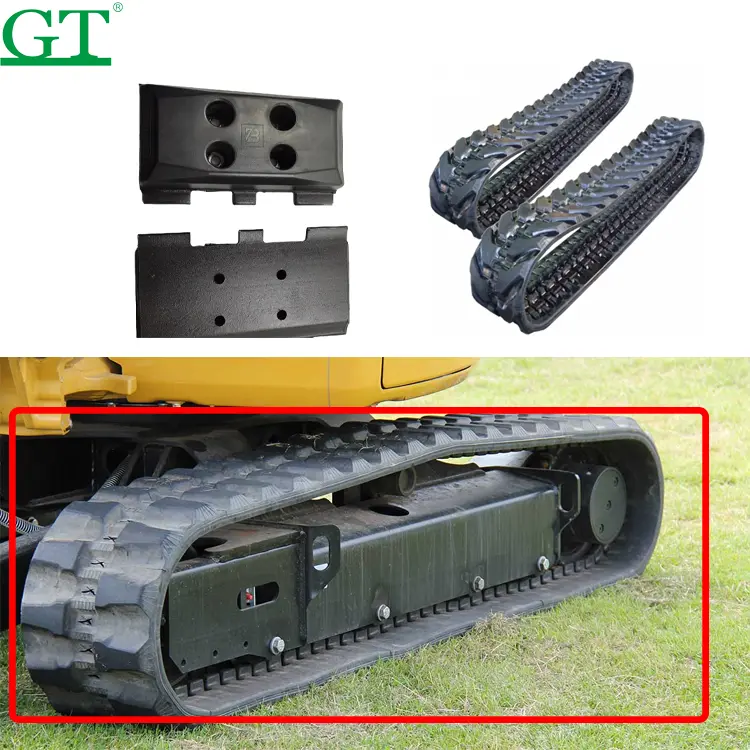
Understanding Rubber Track System Components and Core Functionality
The role of rubber tracks in load distribution, mobility, and machine stability
Rubber tracks form the main connection point between machines and whatever surface they're working on, offering several advantages including better weight spreading, increased movement capability, and more stable operation overall. When these tracks distribute the machine's weight across a bigger area, they cut down on how much pressure gets applied to the ground compared with traditional steel alternatives. This makes a real difference when operating in challenging conditions like muddy fields, sandy areas, or snowy landscapes where machines would otherwise sink. The surfaces also stay protected from damage, whether it's grassy areas, paved roads, or freshly graded earthwork. With their constant contact with the ground, rubber tracks give machines better floatation so they maintain grip even on uneven terrain. Plus, the way these tracks are designed gives extra support against sideways forces, making machines less likely to tip over on hillsides and giving operators more confidence when working at angles.
Rubber vs steel tracks: Comparing performance, noise, and surface impact
When deciding between rubber and steel tracks, several factors come into play including the work environment, how sensitive the ground surface is, and what kind of lasting power is needed. Rubber tracks perform best on things like pavement, concrete roads, and nicely maintained landscapes where steel would scratch up everything. The noise level difference matters too rubber runs about half as loud as steel does, which makes all the difference when working near homes or places with strict noise rules. Steel still has its place though especially in really rough terrain or areas with lots of abrasive materials flying around. But rubber gives a smoother ride overall, doesn't shake the whole machine as much, and means no need for those expensive wooden mats that protect surfaces in city settings. Most contractors who care about getting their machines through different jobs without damaging anything tend to go with rubber in the long run.
How rubber composition affects flexibility, shock absorption, and ride comfort
How rubber compounds are made really affects how flexible they are, their ability to withstand impacts, and overall comfort for operators. Natural rubber mixtures perform great in cold weather situations because they stay pliable and won't crack when temperatures drop below freezing. For applications where things get hot over time, synthetic options such as SBR (Styrene Butadiene Rubber) work better since they handle heat much better. The hardness level of the rubber material creates a balance between lasting against wear and providing cushion effect. Softer materials tend to soak up vibrations nicely but might not last as long on rough surfaces that cause abrasion. Some top manufacturers have developed advanced rubber formulas that cut down on operator tiredness by around 30 percent compared to standard products. These premium compounds maintain their strength over time while still offering superior ride comfort even under harsh working conditions.
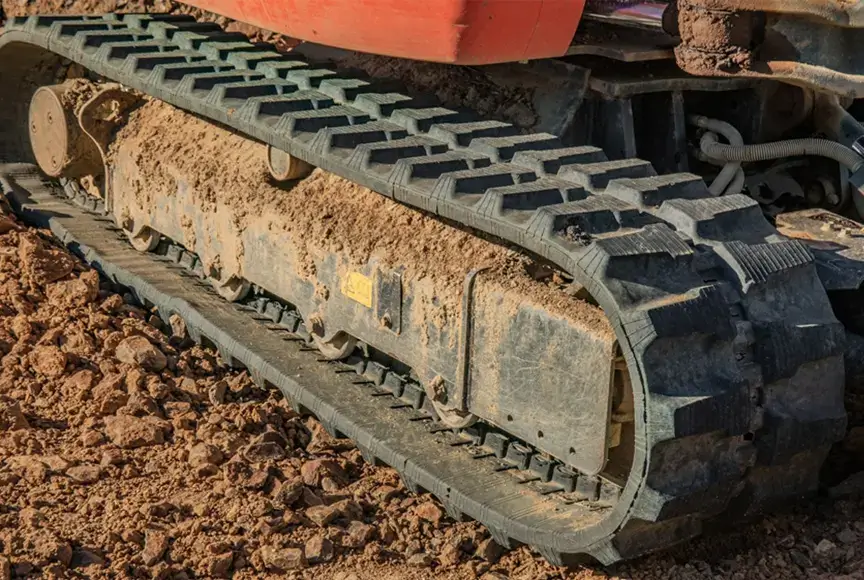
Matching Rubber Tracks to Machine Specifications and Operational Needs
Selecting track size and width based on mini excavator weight, reach, and hydraulic power
When choosing track dimensions for a mini excavator, they need to match up with the machine's operating weight, reach capabilities, and hydraulic system strength. Wider tracks spread out the weight better across the ground surface, which means less pressure per square inch and improved stability when working on uneven terrain or muddy ground conditions. For instance, most operators find that 300 mm wide tracks work pretty well for 3 ton units, whereas 5 ton models generally benefit from going with at least 400 mm width to maintain proper balance during operation. The hydraulic system plays a role too. Machines with higher flow rates produce more torque, so their tracks should have stronger internal reinforcement structures to handle all that force without breaking down prematurely. Before making any purchases, it's wise to cross check the track load ratings against what the manufacturer specifies for the particular excavator model. Getting this right helps avoid expensive breakdowns later down the line.
Special considerations for harvesters: continuous operation and terrain variability
The rubber tracks used on harvesters face some pretty tough challenges because they run non-stop through all sorts of field conditions. Excavators get breaks between jobs, but harvesters just keep going, which creates constant heat buildup and wears down components faster than most equipment. For this reason, tracks need special materials that can handle higher temperatures without breaking down, plus extra reinforcement in their internal structure so they don't warp under pressure. Farmers need tracks that can switch from muddy paddocks to packed dirt roads and rocky patches without skipping a beat. Getting the right balance between tread design and track flexibility makes all the difference for maintaining grip without compacting the soil too much. Good track design actually helps protect future harvests by keeping the land healthy over time.
Evaluating Terrain and Application Requirements for Optimal Traction
Choosing rubber tracks for soft soil, rocky ground, and sensitive urban surfaces
The kind of terrain really matters when picking tracks for optimal machine performance. When working in soft or muddy ground conditions, going with wider tracks makes all the difference. These broader options spread out the weight better so machines don't sink as easily. Rocky or rough terrain calls for something different though. Reinforced rubber tracks with those deep grousers plus extra wear resistant layers tend to hold up much better against sharp rocks and abrasive materials. They just won't tear apart as quickly as regular tracks would. And let's talk about cities and places where surfaces need protecting. Smooth tread rubber tracks are the way to go here. They leave minimal marks on driveways, sidewalks, and grassy areas while making less noise than steel counterparts. Local communities appreciate this since nobody wants their property damaged during construction work.
Balancing traction, ground pressure, and surface protection in landscaping and construction
For folks working in landscaping and construction jobs, finding the right rubber track system means getting that sweet spot between good grip, gentle on the ground, and protecting surfaces. When landscapers are moving equipment across wet grass or through soft dirt, they want their machines to stick but not rip up the lawn or crack those nice stone pathways. Contractors who work close to buried pipes or recently graded land really appreciate how rubber tracks spread out the weight evenly. This helps prevent the ground below from getting too compacted, which saves money down the road when there's no need for expensive fixes later. Some field tests indicate these tracks can cut down ground pressure around 30 percent compared to regular tires, all while still grabbing hold well on most terrain types. That makes a big difference especially around pavement sections or any other sensitive parts of a job site where damage would be noticeable and costly.
Case study: Low-ground-pressure rubber tracks boosting efficiency in residential projects
At a new housing complex in downtown Chicago, contractors saw real benefits when they switched to those special low ground pressure rubber tracks instead of regular ones. Weather delays dropped around 30 to 35 percent after making the change. These tracks basically float better over soft ground so workers could keep going even when it rained heavily something that would have stopped normal machines cold. Another big plus nobody expected was that they didn't need those expensive ground mats on completed areas anymore. That saved money on materials and cut down on labor time since crews weren't spending hours laying and removing mats daily. The whole job wrapped up nearly a month earlier than planned, and neighbors were happy because there wasn't any damage to the sidewalks, garden beds, or curb lines throughout construction.
Assessing Durability, Wear Resistance, and Total Cost of Ownership
Performance of rubber tracks in abrasive, corrosive, and mixed-terrain environments
Rubber tracks are built tough enough to handle pretty much anything nature throws at them. When machines work in rough spots like stone quarries or places where buildings come down, these rubber tracks just don't chip or get cut as easily as regular steel ones would. They stand up really well against saltwater spray, dampness, and all sorts of industrial chemicals too, which is why folks working near coastlines or in factories tend to prefer them over metal alternatives that corrode so fast. On job sites where equipment has to go from smooth roads to muddy fields and then onto rocky ground, rubber gives steady traction without tearing up surfaces much. Plus there's absolutely zero chance of rust forming on rubber, and they basically take care of themselves most of the time. That means less time waiting around for repairs and fewer replacements needed even when things get super rough out there.
Field data: Average lifespan and wear patterns from 500 mini excavator operations
Looking at data from around 500 mini excavator operations shows rubber tracks generally last somewhere between 1,200 to 2,500 operating hours. How long they actually last depends heavily on what kind of ground they're working on and how well they get maintained. We see different wear issues pop up based on terrain type too. On rocky surfaces, the edges tend to fray pretty badly over time. Sandy soils cause something else entirely - those grouser tips gradually round off as they dig through loose material. Some operators have found matching their track choice to the job makes a real difference. Those using reinforced tracks when dealing with rough, abrasive conditions and sticking with regular ones for lighter work report getting maybe 15 percent extra life out of their equipment. Makes sense really. Picking the right track for the job isn't just about saving money in the long run, it's about making sure machines stay productive without constant downtime for replacements.
Reinforced rubber tracks: Balancing longevity with ride quality and flexibility
Rubber tracks that are reinforced typically contain steel cords or materials such as Kevlar. These reinforcements help them resist stretching, punctures, and wear from constant friction. As a result, these tracks tend to last about 30 percent longer when used in really tough conditions. But there's a catch too rigid construction can actually make things worse for shock absorption and overall ride quality. Operators end up feeling every bump and jolt, which leads to tiredness after extended periods of operation. Good track design balances this issue through what engineers call variable ply distribution. Simply put, the parts that carry the weight get extra thick reinforcement, while the sides remain thin and flexible enough to bend. This clever arrangement keeps everything durable without sacrificing the ability to move smoothly across rough terrain.
Cost comparison: Maintenance, transport efficiency, and long-term savings of rubber systems
Rubber track systems might cost more initially but save money over time. Contractors report around 40 percent less maintenance compared to steel tracks since there's not so many parts needing replacement plus they don't require regular lubrication either. The fact that rubber tracks weigh less makes them easier to move around which cuts down on fuel usage somewhere between 10 to 15 percent according to recent industry research from Equipment Logistics back in 2023. Looking at things over about five years, most businesses find their overall spending drops roughly 22% when considering how durable these rubber systems tend to be, along with less equipment downtime and better day to day operations. Anyone who cares about getting good value throughout the life of their machinery will probably see rubber tracks as both a wise investment choice and something that just works better in real world conditions.
Frequently Asked Questions
What are the main advantages of using rubber tracks over steel tracks?
Rubber tracks offer better weight distribution, reduced noise, and minimized surface damage compared to steel tracks, making them ideal for sensitive terrains and quiet operation required near residential areas.
How do rubber track components like belts and grousers contribute to performance?
Belts provide the necessary strength against stretching, while grousers help in grabbing surfaces and maintaining traction in muddy or uneven terrains.
What factors should be considered when selecting rubber tracks for a mini excavator?
Consider track size, width based on machine weight, reach capability, hydraulic power, and ensure compatibility with sprockets and pitch measurements for optimal performance.
Table of Contents
- Understanding Rubber Track System Components and Core Functionality
- Matching Rubber Tracks to Machine Specifications and Operational Needs
- Evaluating Terrain and Application Requirements for Optimal Traction
-
Assessing Durability, Wear Resistance, and Total Cost of Ownership
- Performance of rubber tracks in abrasive, corrosive, and mixed-terrain environments
- Field data: Average lifespan and wear patterns from 500 mini excavator operations
- Reinforced rubber tracks: Balancing longevity with ride quality and flexibility
- Cost comparison: Maintenance, transport efficiency, and long-term savings of rubber systems
- Frequently Asked Questions

