 EN
EN
Match Hydraulic Track Press Capacity and Dimensions to Your Machine’s Undercarriage
Selecting Ton Rating (e.g., 100-ton vs. 300-ton) Based on Excavator/Dozer Weight Class and Track Assembly Size
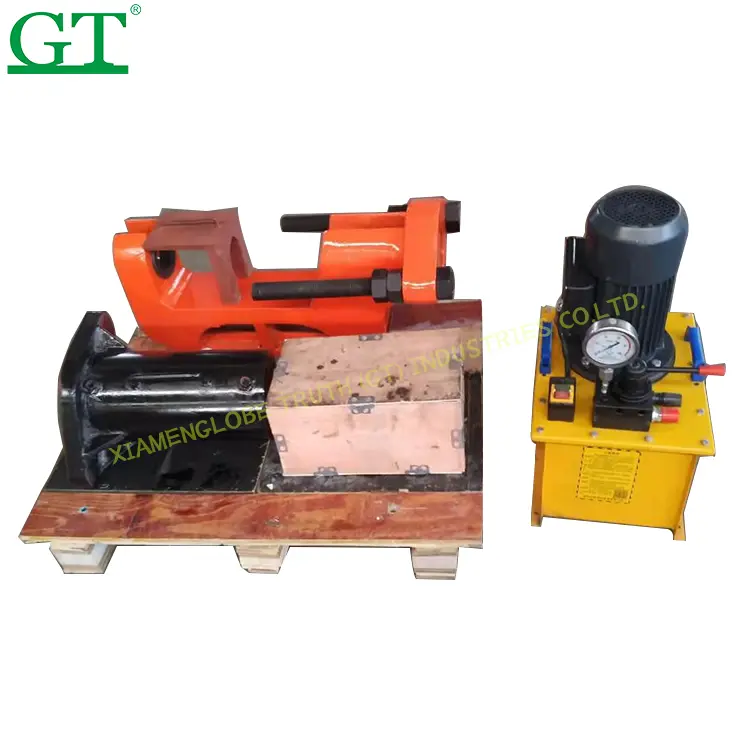
Getting the right hydraulic track press tonnage matched to equipment weight classes helps avoid breakdowns down the road. Most compact excavators weighing less than 20 tons generally work well with around 100 tons of pressing power. But when dealing with heavier machines like 70-ton dozers, operators need something closer to 300 tons because those bigger machines create much stronger pin seating forces. Going too light on the press can leave bushings improperly seated, which leads to faster track wear over time. On the flip side, going too heavy might actually damage components instead of helping them. According to recent industry reports, about one out of every four undercarriage reassembly problems comes from getting the tonnage wrong. The size of chain pitch makes a big difference too. Those 8 inch chains compared to standard 6 inch ones demand significantly more force simply because there's more surface contact and friction involved. Before making a purchase decision, check what the manufacturer recommends specifically for each machine model rather than relying on general rules of thumb.
Verifying Pin Diameter, Bushing Length, and Track Pitch Compatibility to Prevent Misalignment or Component Damage
When working with hydraulic track presses, three key measurements determine whether things go smoothly or end up in the repair shop: pin diameter, bushing length, and track pitch. The press jaws need to fit the pin size pretty closely, within about half a millimeter either way. Otherwise, there's going to be slippage when pressure is applied during compression cycles. Bushing length matters too because it directly affects how much travel the cylinder needs. This becomes really important for those long bushings found on dozer tracks where regular presses just don't cut it. And let's not forget about track pitch alignment. Even a tiny 1mm error here can throw off pressure distribution completely, concentrating around 1,200 pounds per square inch on certain links which wears them out faster than others. According to recent research published last year in the Undercarriage Engineering Journal, nearly half (about 42%) of all damage cases traced back to these kinds of dimensional problems. Before buying new equipment, always check current parts using proper calipers. Look for presses that come with adjustable dies and modular jaw systems. These features make a big difference for companies managing multiple fleets and can actually prolong undercarriage lifespan by somewhere between 25-30% in most cases.
Ensure Hydraulic System Compatibility for Seamless On-Machine Operation
Matching PSI Requirements, Flow Rate (GPM), and Auxiliary Port Configuration with Your Excavator or Dozer
Hydraulic system incompatibility causes over 30% of track press failures during field maintenance (Fluid Power Journal, 2023). To avoid costly downtime and safety hazards, validate three core parameters before connecting the press to your machine:
- PSI requirements must align within ±10% of your excavator or dozer’s auxiliary circuit output—exceeding this range risks seal blowouts or valve damage.
- Flow rate (GPM) should match your machine’s hydraulic pump capacity; exceeding it induces cavitation, reducing pump efficiency and lifespan.
- Auxiliary port configuration—whether flat-face, pioneer, or ISO 16028—must physically mate without adapters, which leak under sustained 3,000+ PSI loads.
According to OSHA's 2022 field inspection, those makeshift couplers actually caused seal failures to jump by almost half, around 48%. When dealing with mixed vehicle fleets, it makes sense to go for hydraulic presses equipped with internal pressure control systems and dual port manifolds compatible with both standard coupler styles. The presence of these components does several important things at once. First off, they stop different fluids from mixing together which can ruin equipment over time. They also keep pressure surges in check so cylinder rods don't get bent during operation. And let's not forget about the time savings either. Mechanics report cutting down track assembly work by roughly 34%, which translates to real money saved since each repair incident typically costs around $3,200 when something goes wrong.
Evaluate Hydraulic Track Press Design for Safety, Efficiency, and Long-Term Service Life
How Precision Hydraulic Force Delivery Reduces Downtime During Undercarriage Maintenance
When using hydraulic force that's properly controlled, there's much less guesswork involved in undercarriage service, which cuts down on downtime significantly. Old school manual techniques or those without proper calibration usually mean mechanics have to try seating those pins and bushings several times before getting it right. This can eat up anywhere from 30 to maybe even 50 percent extra time during maintenance periods. With a press that delivers consistent force every single time, all the parts lock into place during just one smooth movement. No more squashed pin ends, bent bushings, or crooked links hanging around. The steady pressure applied also helps prevent tiny cracks from forming in the hard steel parts something that doesn't show up until weeks later when tracks suddenly snap apart. Techs finish their jobs quicker and don't accidentally damage nearby components while working, so the whole track system stays intact for longer. Maintenance shops report seeing shorter repair times across the board, machines spend more time actually running instead of sitting idle, and companies start noticing real improvements in their equipment uptime numbers after switching to this approach.
Real-World Impact: Tier-1 Contractor Achieves 42% Faster Track Replacement Using a Dual-Action Hydraulic Track Press
One big earthmoving company saw their track replacement times drop by almost half when they switched from old single-action presses to these new synchronized dual-cylinder models on all their 40-ton excavators. What used to take crews around 8 hours per track is now done in just under 5 hours. The secret lies in how these dual-action presses work at the same time pressing in new pins while pulling out the worn bushings. This eliminates those annoying step-by-step processes and saves tons of time that was wasted repositioning chains again and again. And remember, that chain moving alone took up a quarter of the previous labor time! Technicians make fewer mistakes too because there are less cylinder adjustments needed, less parts to handle, and overall less physical stress on the body during the job. Looking at their entire fleet of 40 machines, managers noticed an impressive gain of more than 350 extra working hours each year. While some might question if such improvements really translate to bottom line savings, these numbers clearly show that investing in better press technology pays off handsomely in actual field operations.
Choose Between Portable and Fixed-Mount Hydraulic Track Presses Based on Fleet Needs
Trade-offs in Weight, Footprint, Setup Time, and Multi-Machine Versatility for Mixed Excavator and Dozer Fleets
Hydraulic track presses that are portable usually weigh less than 500 pounds and take up around 3 square feet of space. These units let technicians service different types of equipment right where they need to work. Setting them up takes about 15 to 30 minutes each time, but this is worth it because workers don't have to wait for parts to be moved or deal with crowded workshops. On the other hand, fixed mount presses can replace pins in under five minutes, which sounds great until you realize they need special floor space, strong anchors, and permanent connections to hydraulic systems. When companies run both excavators and dozers across multiple job locations, portable models become really valuable. They adapt to all sorts of track sizes, spacing between tracks, and how things get mounted without needing expensive relocations. Fixed systems work best in central repair shops handling lots of similar jobs day after day. For people managing vehicle fleets, the decision comes down to how busy operations are versus how spread out the equipment is. Lighter portable units respond better when assets are scattered around different sites, while heavier fixed setups make sense only if there's enough work volume to justify building out the necessary infrastructure.
FAQ
What ton rating should I choose for my hydraulic track press?
The ton rating of the hydraulic track press should match the weight class of your excavator or dozer. Compact excavators under 20 tons typically require about 100 tons of pressing power, while heavier machines like 70-ton dozers need closer to 300 tons.
Why is track pitch important when using a hydraulic track press?
Track pitch is crucial because even minor misalignment can lead to uneven pressure distribution, causing certain links to wear out faster. Proper measurement ensures the jaws of the press fit securely, preventing slippage and ensuring efficient operation.
How does hydraulic system compatibility affect track press performance?
Hydraulic system compatibility is vital to avoiding failures. The PSI requirements, flow rate, and auxiliary port configuration should match your machine's specifications to prevent seal blowouts, cavitation, and leaks.
Should I choose a portable or fixed-mount hydraulic track press?
Choosing between portable and fixed-mount presses depends on your fleet needs. Portable models are lighter, easier to set up, and adaptable for varied equipment, ideal for dispersed job sites. Fixed-mount presses provide faster operation but require dedicated floor space and infrastructure, best suited for central repair shops.

