 EN
EN


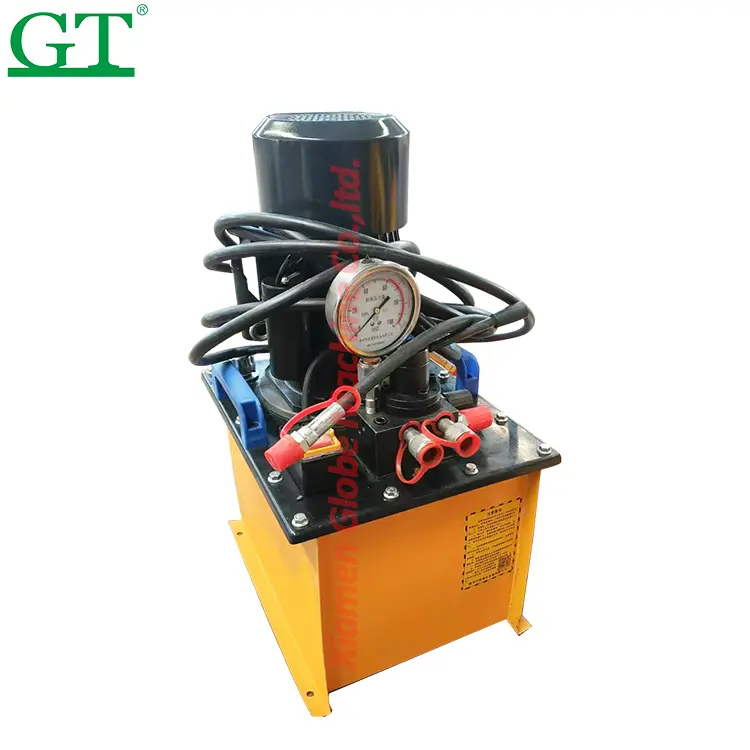
Minimize downtime by utilizing a reliable hydraulic tracked press system.
Challenges posed by frequent downtime in traditional printing systems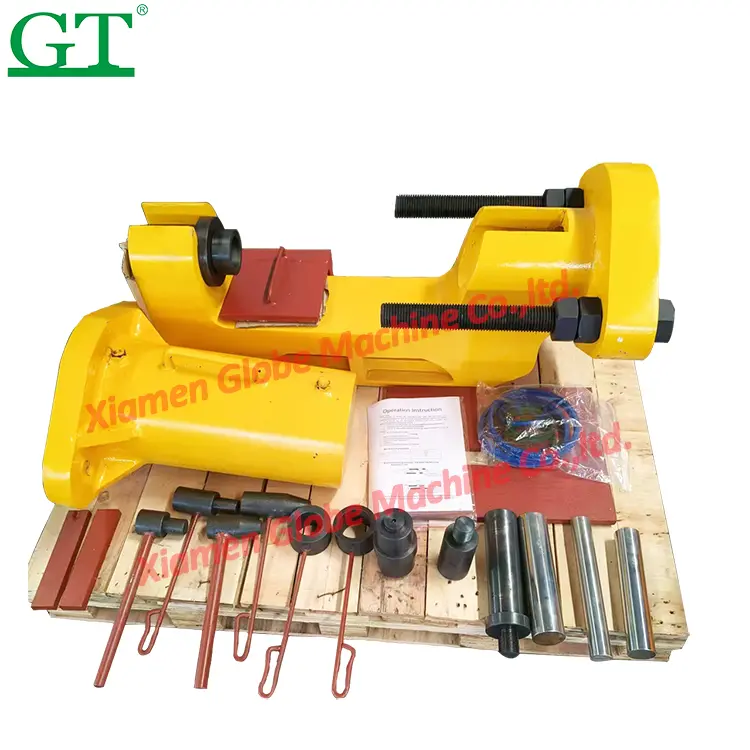
Old-fashioned stamping systems frequently fail without warning, costing most manufacturers approximately 800 hours of lost man-hours annually and severely impacting production efficiency. Problems typically stem from worn-out parts, annoying hydraulic leaks, and the inherent drawbacks of waiting until a breakdown occurs to address the issue. These machines have complex internal structures that simply cannot withstand continuous shift work. A malfunction can throw the entire production line into chaos, affecting everything from raw material suppliers to finished product shipments. Factories may ultimately have to pay overtime to make up for the losses, or worse, risk losing valuable customer orders altogether.
How to improve the uptime and reliability of hydraulic tracked presses
The reliability of hydraulic tracked press systems benefits from their simpler mechanical design and built-in maintenance features. With fewer vulnerable parts, the frequency of failures decreases, and repair time is significantly reduced. Higher-quality seals and more robust hydraulic lines mean that production interruptions caused by leaks are now significantly reduced. Furthermore, the modular design of modern systems allows technicians to quickly replace damaged parts without downtime for other equipment maintenance. Equipment failures that were once random and disruptive to workflows are now issues that manufacturers can plan ahead and manage efficiently, ensuring smooth production most of the time.
Case Study: Reducing Downtime in Automotive Stamping Operations
Last year, a major auto parts manufacturer replaced its old-fashioned presses with new hydraulic tracked press systems in its stamping operations . They also observed a significant change – an approximately 47% reduction in unplanned downtime compared to previous years. These tracked systems, equipped with pressure sensors that monitor all parameters in real time and featuring automatic lubrication, reduced annoying hydraulic leaks by about 85%. Previously, leaks caused production disruptions almost weekly. The company also deployed intelligent predictive maintenance software that can detect signs of wear long before parts actually fail. This means technicians can perform repairs before failures occur, eliminating the need to address problems during shifts. Since then, production has remained stable, meeting all monthly quotas without requiring weekend overtime or additional emergency repair costs.
Intelligent control and predictive maintenance integration
From reactive maintenance to predictive maintenance of hydraulic press systems
Most factories still employ a passive approach to hydraulic press maintenance, only repairing equipment when it malfunctions and causes various production problems. However, this has changed dramatically in recent years with the increasing adoption of predictive maintenance. These new hydraulic tracked press systems are equipped with various sensors that continuously monitor equipment status during operation. Maintenance personnel can detect early warning signs and resolve minor issues before they escalate into major failures. Plant managers report a reduction of approximately 40-45% in unintended downtime since adopting this approach, but according to a recent industry report in 2024, actual results may vary depending on the implementation of the system in different plants.
Real-time monitoring and intelligent sensors in hydraulic tracked presses
In hydraulic tracked press systems, smart sensors play a crucial role in predictive maintenance by continuously monitoring key factors such as pressure levels, temperature fluctuations, vibration, and hydraulic oil quality. When connected via IoT technology and leveraging edge computing capabilities, these devices can analyze data in real time, capturing subtle changes in machine operation and identifying and resolving problems before they escalate into serious failures. This means plant managers can move away from rigid maintenance plans and instead perform maintenance on demand, based on actual conditions. The end result? Improved overall equipment performance while saving on unnecessary repairs and parts replacement costs.
Case Study: Data-Driven Reduction of Downtime in Industrial Forging
A forging plant recently installed smart sensors on its hydraulic tracked press equipment, reducing unexpected breakdowns by nearly half in just twelve months. These sensors can predict when components are likely to fail, allowing technicians to perform repairs within regular maintenance windows, eliminating the need for emergency repairs during shifts. The benefits extend far beyond ensuring smooth machine operation. According to the latest Industrial Automation Report released last year, companies adopting similar approaches can save approximately $1.2 million annually through reduced maintenance costs and increased operational efficiency.
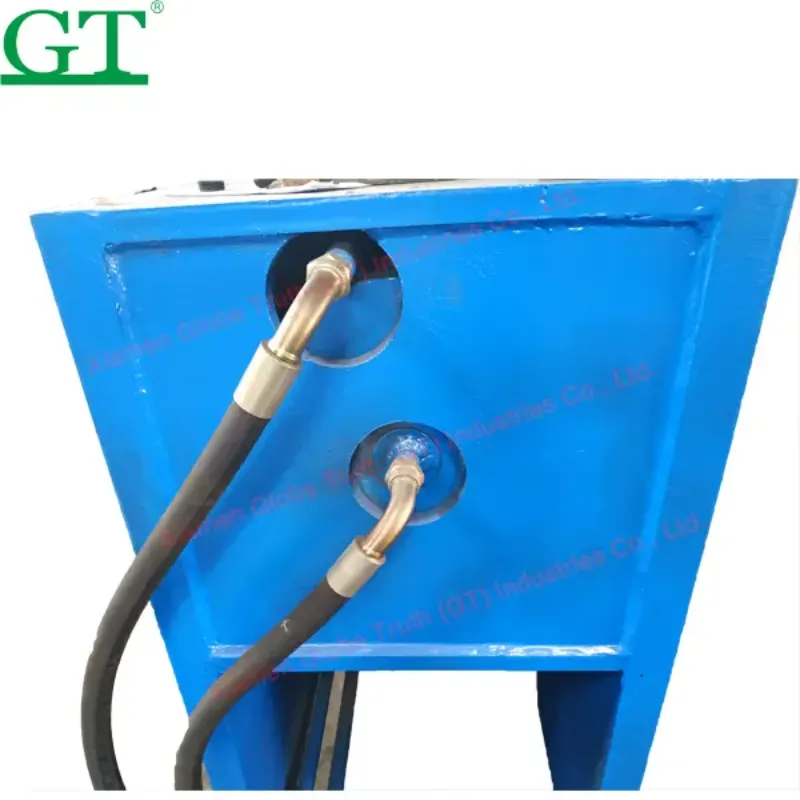
Precise control ensures stable quality and reduces defects.
Reduce scrap rate by applying precise force
Hydraulic tracked press systems achieve impressive precision thanks to their closed-loop force control and real-time feedback mechanisms. These systems maintain force accuracy within ±1% of the desired value in each cycle. Traditional presses rely heavily on mechanical limiters and extensive manual calibration, which is insufficient in today's world of high consistency demands. The value of these new systems lies in their ability to significantly reduce waste generation. Multiple manufacturers report waste rates decreasing by up to 45%. This improvement translates to substantial reductions in material costs and overall waste reduction, which is particularly important for companies operating at high volumes day after day.
Frequently Asked Questions
What is a hydraulic tracked press system?
A hydraulic tracked press system is a modern industrial press used in manufacturing. Compared to traditional press systems, it utilizes a hydraulic mechanism to improve reliability, maintainability, and energy efficiency.
How do smart sensors improve the performance of hydraulic tracked presses ?
Smart sensors enhance the performance of hydraulic tracked presses by continuously monitoring their operating conditions. They provide real-time data to prevent major malfunctions and optimize maintenance plans, ultimately reducing downtime.
Can hydraulic tracked press systems reduce energy consumption?
Yes, hydraulic tracked press systems optimize energy use while maintaining production efficiency through innovative technologies such as variable displacement pumps and regenerative circuits, thereby helping to reduce energy consumption.

