 EN
EN

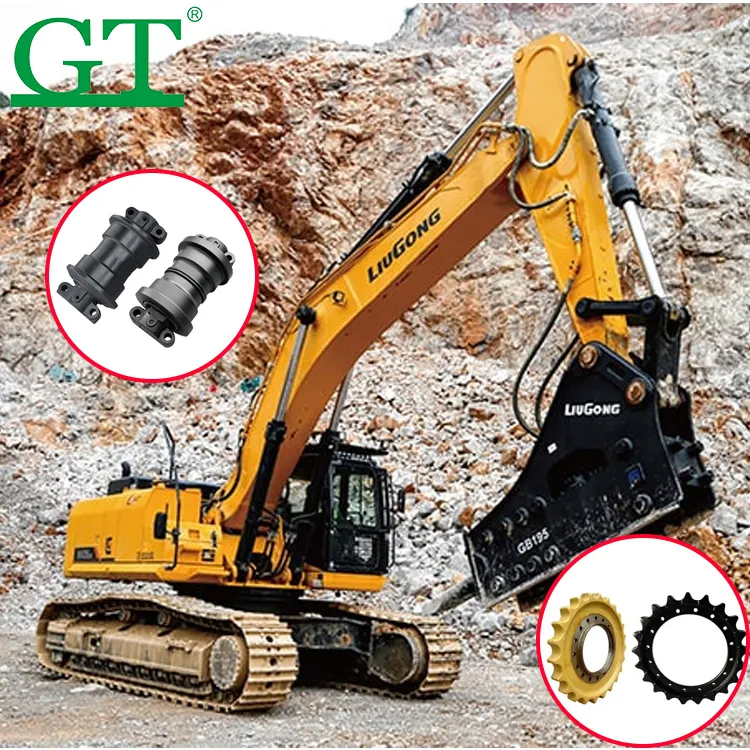
The Hidden Cost of Undercarriage Failure in Excavator Operations
Quantifying downtime, labor, and replacement expenses across high-usage fleets
Excavator undercarriage failures trigger costly operational disruptions. Industry studies show that neglecting maintenance inflates repair costs by up to 40%. For high-usage fleets, a single failure typically causes 16–48 hours of unplanned downtime—during which operators face:
- Emergency labor at $120/hour
- Replacement part costs ranging from $2,000 to $8,000
- Secondary equipment idling penalties exceeding $1,500 per day
These direct expenses compound rapidly when factoring in project delays and contractual penalties—making undercarriage failures among the most financially destructive events in excavation operations.
How premature wear inflates total cost of ownership (TCO) for excavator undercarriage parts
When parts start wearing down before they should, those supposedly durable components become a real headache for operators. The total cost of ownership goes way up because replacements happen much more frequently than expected. Standard parts need changing every 1,500 hours while better quality options can last over 3,000 hours. This premature failure also causes problems elsewhere in the system. Track chains and rollers get damaged secondarily from the stress, and machines consume more fuel too since there's extra friction involved. We're talking about an actual loss of around 12% in fuel efficiency just from these worn parts. All these costs pile up to between $18 and $22 extra per hour of operation. This financial burden becomes especially noticeable in harsh environments where dirt and dust accelerate wear rates. Under such conditions, regular components often fail 40% sooner than what manufacturers claim on their spec sheets.
Engineering Reliability: How Data-Informed Excavator Undercarriage Part Design Extends Service Life
Material hardness, grouser geometry, and field wear correlation for predictive life modeling
How hard a material is plays a big role in how resistant it is to wearing down over time. Parts rated at Brinell hardness above 400 HB last about 37 percent longer when exposed to abrasive soil conditions according to various wear simulations we've run. When optimizing grouser shapes using computer models, we found ways to cut down on stress points by around 22%. This happens because of those angled tips that push away rocks better, curves that match typical digging movements, and spacing arrangements that keep mud from building up between them. Looking at field data collected over 12,000 hours at different mines shows clear links between these design features and actual wear patterns observed in practice. With this info, we can now predict component lifespans within about plus or minus 7% accuracy. Maintenance crews rely on these predictions to plan part replacements during regular service periods instead of dealing with unexpected breakdowns which cost a fortune in lost productivity.
Performance validation of premium excavator undercarriage parts
Before any extended life shoes or special sprockets get put into actual service, they go through some pretty intense testing first. We've developed accelerated wear tests that basically cram three full years of usage into just eight weeks time. These tests include running them nonstop for 500 hours straight in granite quarries, subjecting them to torque cycles at 150% of what they're rated for, and even soaking them in abrasive slurry to see how they hold up. When we took these components out into the field and tested them at 47 different locations, we consistently saw their lifespan was about 40 to 50 percent longer than regular parts. The new dirt relief sprocket design is particularly impressive because it cuts down on material buildup by around two thirds, which means less track slippage and saves energy in the process. Looking at all the performance data collected over time, companies using these premium parts typically end up spending about 25% less overall on maintenance and replacement costs during a five year period.
Strategic Selection and Proactive Maintenance of Excavator Undercarriage Parts
Matching shoes, grousers, and track chains to site-specific conditions (abrasive, rocky, muddy)
Choosing the correct undercarriage parts based on what kind of terrain they'll face makes all the difference in how long equipment lasts and what it costs to maintain. For example, in really rough places such as quarries where things get worn down fast, we need those tough steel shoes with extra strong grousers. Rocky areas call for track chains that can take hits without breaking, while mud is another story altogether since wider track shoes help prevent sinking by spreading out weight better. When everything matches properly, companies save about 30% on replacing parts according to research from Ponemon Institute back in 2023. But if there's a mismatch between components and especially if track tension isn't set right, then wear happens twice as fast on important parts like pins and bushings. Regular cleaning every day plus checking tension once every two weeks instead of waiting until something breaks extends machine life by around 40%. Getting this stuff right turns what would normally be thrown away after some time into something valuable that keeps working longer.
Validated ROI: 25% Operational Cost Reduction from Premium Excavator Undercarriage Parts
Real-world numbers show that investing in quality excavator undercarriage parts can cut overall ownership costs by around 25%. There are basically two reasons why this happens: parts last much longer and there's far less unexpected downtime. Better materials combined with careful manufacturing mean these parts survive about 40% longer when working in rough environments, so they need replacing less often and save on labor costs too. Plus, good engineering stops major breakdowns that hold up projects, something that costs roughly $740 per hour according to industry stats from 2023. For companies doing lots of work, combining these premium parts with regular maintenance turns what was once just another expense into something worth investing in. Most businesses see their money back within a year. Looking at all the money saved through fewer emergency fixes, keeping machines running smoothly, and burning less fuel makes it clear why upgrading those ground contact parts is not just smart, but necessary for anyone serious about their bottom line.
FAQ
What is the financial impact of excavator undercarriage failure?
Undercarriage failure in excavators can cause unplanned downtime and lead to significant financial costs including emergency labor, replacement parts, and secondary equipment idling penalties, totaling thousands of dollars.
How does premature wear affect the total cost of ownership?
Premature wear increases operational costs due to frequent replacements and impacts other machine parts leading to additional expenses like higher fuel consumption.
How can excavator part design improve service life?
Using data-informed designs such as improved material hardness and optimized grouser geometry enhances wear resistance and helps predict component lifespans for proactive replacements.
How can the strategic selection of parts help excavator operations?
Choosing parts that match site-specific conditions like terrain type significantly reduces replacement costs and prolongs equipment lifespan.
Is investing in premium undercarriage parts worth it?
Premium parts can reduce operational costs by approximately 25% due to longer lifespans and less downtime, making them a worthwhile investment for companies focusing on cost-efficiency.
Table of Contents
- The Hidden Cost of Undercarriage Failure in Excavator Operations
- Engineering Reliability: How Data-Informed Excavator Undercarriage Part Design Extends Service Life
- Strategic Selection and Proactive Maintenance of Excavator Undercarriage Parts
- Validated ROI: 25% Operational Cost Reduction from Premium Excavator Undercarriage Parts
- FAQ

