 EN
EN


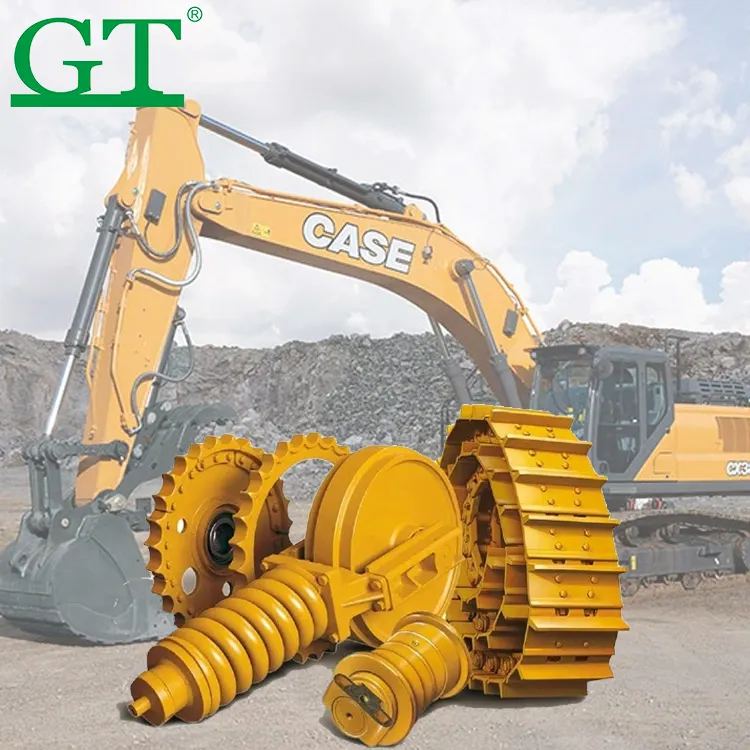
How Excavator Undercarriage Parts Influence Fuel Efficiency
Rolling Resistance and Power Loss: The Core Mechanics
Excavator undercarriage parts directly impact fuel efficiency through rolling resistance—the force opposing motion as tracks move across terrain. Worn idlers, rollers, and track chains increase friction, forcing the engine to expend 12–18% more power to maintain operational speed (Heavy Equipment Journal 2023). This mechanical inefficiency manifests as:
- Increased drag from misaligned tracks or damaged sprockets
- Energy loss through heat generation in degraded bushings
- Engine overcompensation for insufficient traction
Properly maintained systems reduce parasitic power loss by ensuring smooth component interaction. For example, optimal track tension minimizes deflection, lowering the hydraulic load required for movement.
Field Data Insights: Measured Fuel Savings from Optimized Undercarriage Health
Operational data confirms that proactive undercarriage management cuts fuel consumption. Sites implementing structured inspection protocols reported:
| Maintenance Action | Avg. Fuel Reduction | Projected Annual Savings* |
|---|---|---|
| Track tension calibration | 9% | $7,200 |
| Roller/idler replacement | 15% | $12,500 |
| Full undercarriage overhaul | 18–22% | $18,000+ |
*Based on 2,000 hrs/year at $4/gal diesel
These savings stem from restoring mechanical synergy—reducing the engine’s workload to overcome friction. In one case, replacing seized lower rollers decreased a 20-ton excavator’s idle fuel consumption by 11%. Field studies further show that every 10% reduction in rolling resistance correlates to a 6–8% drop in hourly fuel use.
Excavator Undercarriage Parts and Site Safety: Beyond Wear and Tear
Stability, Traction, and Load Distribution: Engineering Foundations of Safety
The undercarriage parts on excavators are basically what keeps everything safe while operating. They help spread out the weight properly, give good grip on different ground types, and keep the whole machine stable. When the rollers and track frames stay aligned right, they stop those dangerous weight shifts that can lead to tip overs, especially important on uneven ground. The track shoes need their grousers intact too because these little teeth grab onto surfaces and cut down slips on slopes by around 70 percent according to some MSHA research from last year. All these components working together prevent major problems during digging or trench work. Look at OSHA data from this past year and about 42% of serious accidents in excavation involve some kind of instability issue.
Failure Analysis: Lessons from OSHA/MSHA Incident Reports
When it comes to equipment breakdowns, problems with undercarriages often lead straight to safety issues that should have been avoided. Looking at recent reports from OSHA and MSHA shows some alarming numbers. For instance, failing to adjust track tension properly was behind about a third of those times when excavators moved unexpectedly on hillsides. And let's not forget the worn-out sprocket teeth which were responsible for nearly 60% of all track detachments, usually causing a whole series of accidents. Take the incident back in 2023 where broken idler wheels sent a massive 20-ton excavator off balance as it turned around, damaging surrounding structures in the process. These real world examples show why regular checks on undercarriages matter so much. They stop small parts from wearing down and also prevent serious safety risks. The data suggests that if companies keep up with maintenance routines, they could eliminate roughly two thirds of these stability problems according to what regulators have observed over time.
Strategic Maintenance of Excavator Undercarriage Parts for Dual Performance Gains
Implementing a strategic maintenance program for excavator undercarriage parts unlocks simultaneous improvements in fuel efficiency and worksite safety—a dual performance gain critical for heavy equipment ROI. Proactive care extends beyond reactive repairs, encompassing:
- Scheduled component inspections every 250–1,000 operating hours (adjusted for terrain severity)
- Precision track tension calibration to minimize rolling resistance
- Debris removal protocols preventing corrosion and component binding
- Timely replacement of worn rollers and sprockets before accelerated wear cascades
When we talk about combining these methods, what really matters is cutting down on power waste by around 15% and getting rid of those stability issues caused by poor traction conditions. For folks who manage equipment and focus on predictive maintenance practices, they tend to see their undercarriage parts last about 30% longer than usual. That means saving tens of thousands each year on unexpected breakdowns and repairs. Looking at it practically, regular maintenance work turns something that was just another expense item into a component that actually boosts both safety levels and overall productivity across operations.
FAQ Section
How do excavator undercarriage parts affect fuel efficiency?
Undercarriage parts impact fuel efficiency by influencing rolling resistance. Worn parts increase friction, causing the engine to use more power and fuel.
What are the benefits of maintaining undercarriage components?
Proper maintenance improves fuel efficiency, reduces mechanical inefficiencies, and enhances safety by ensuring stability and traction.
How do maintenance routines impact equipment longevity?
Sustained maintenance practices can extend the lifespan of undercarriage parts by approximately 30%, reducing unexpected breakdowns and costs.

