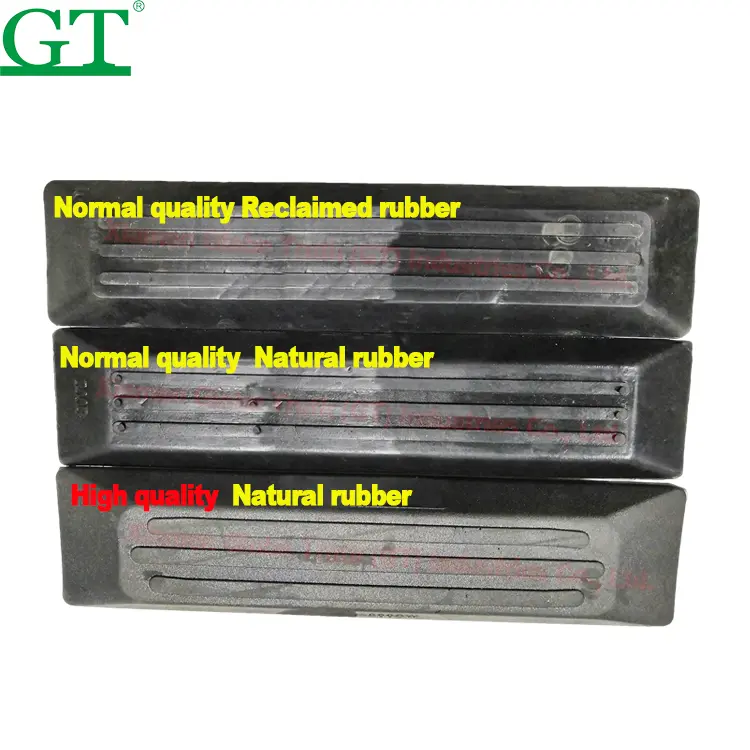
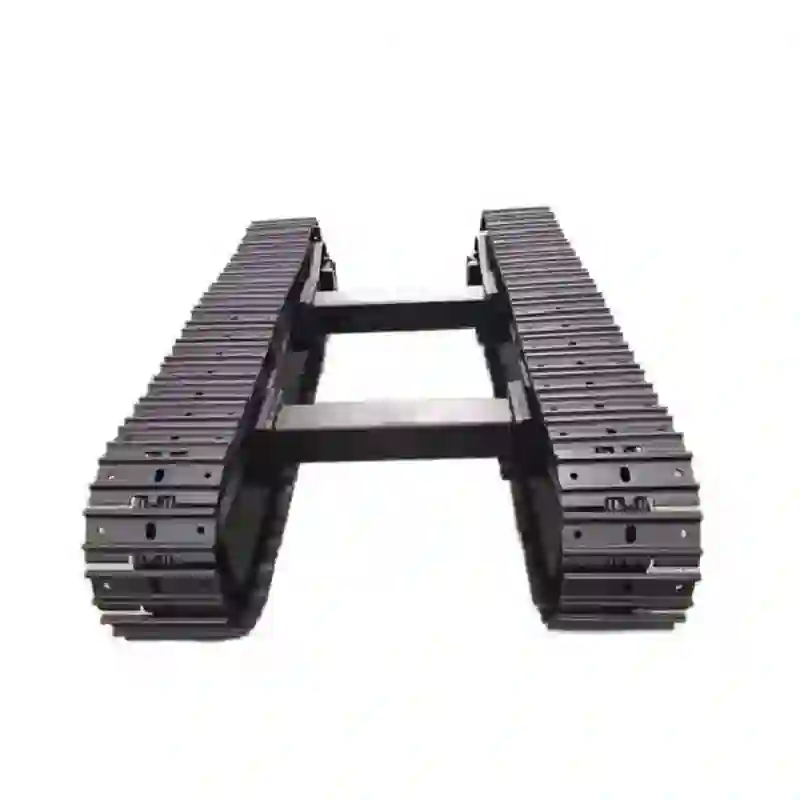
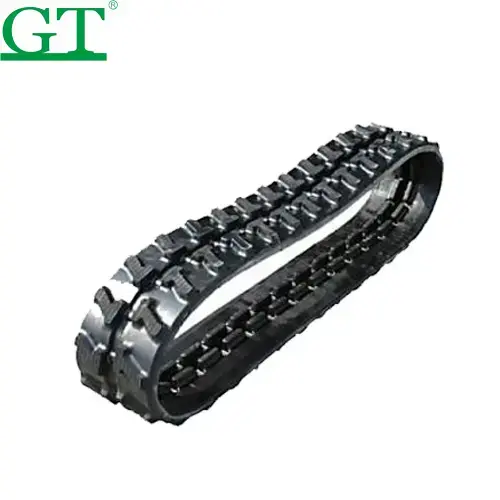
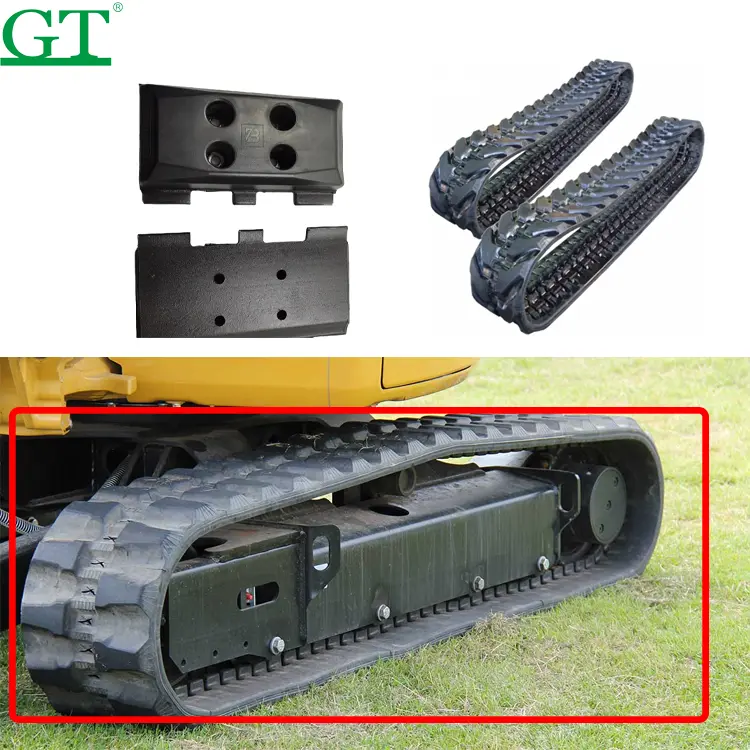
Rubber tracks are far more than simple replacement parts; they represent a core engineering upgrade that significantly enhances the performance, efficiency, and versatility of various tracked machinery, making them crucial across industries. Their core significance first lies in protecting the ground and environment: compared to heavy steel tracks, rubber tracks distribute weight more evenly across a larger contact area and with extremely low ground pressure (PSI), which is crucial for protecting sensitive surfaces. Whether on finished surfaces (such as asphalt or concrete), sports fields, landscaped lawns, vineyards, or indoor venues, they effectively prevent costly scratches, indentations, and surface damage. In agricultural and horticultural work, they also significantly reduce soil compaction and turf damage. This protective feature greatly expands the safe operating range of the equipment.
Secondly, rubber tracks significantly enhance operator comfort and productivity: the natural flexibility of rubber effectively absorbs shocks and vibrations caused by uneven terrain, significantly reducing operator fatigue and physical strain from prolonged use, thereby improving focus, safety, and overall work efficiency. Additionally, their operational noise levels are far lower than those of steel tracks made of metal, creating a better environment for operators and effectively reducing noise pollution in noise-sensitive areas such as urban construction sites, residential areas, hospitals, and schools.
Third, rubber tracks offer exceptional traction and stability: Advanced tread patterns designed for modern applications provide strong, slip-free grip on mud, snow, ice, sand, gravel, and soft soil, ensuring reliable power transmission. Their continuous ground contact area grants the equipment exceptional buoyancy and stability on soft or uneven terrain, reducing the risk of getting stuck. This enables it to operate in harsh conditions where wheeled equipment or traditional steel tracks would struggle or even cause destructive sinking, while also enhancing safety on slopes.
 EN
EN