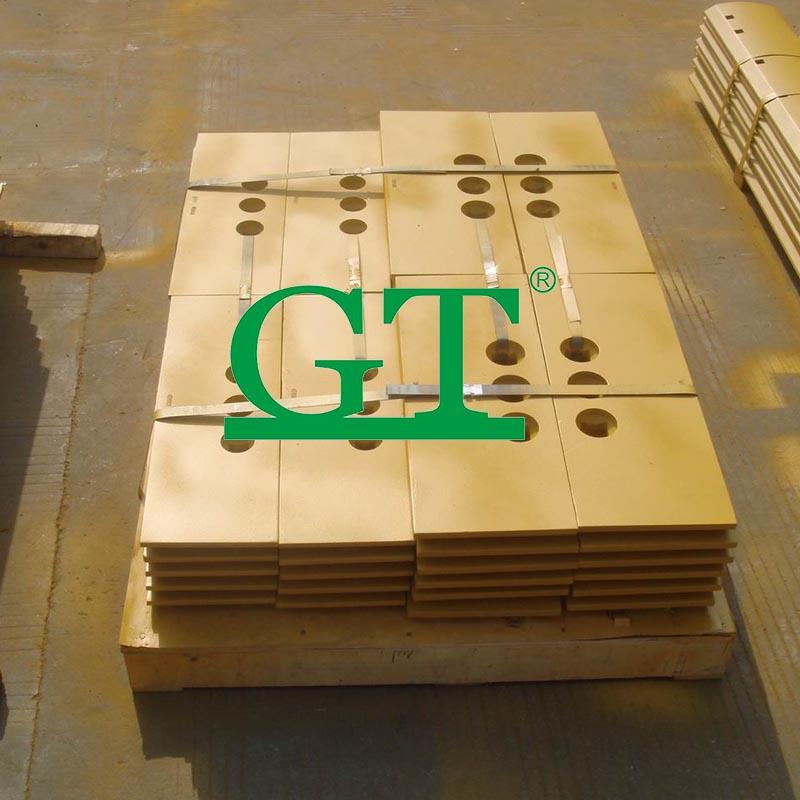
Bulldozer Cutting Edge: Major Applications Across Different Industries
Construction Site Preparation
Cutting edges of bulldozers play a key role in construction site preparation and enable effective clearing and grading operations. Heavy-duty blades are successful in clearing objects like trees, rocks, and debris and in preparing level surfaces for roadways and foundations.The extreme construction of the cutting edges allows for fine-grade of soil and trenching making them a tremendous asset for construction site preparation of any scale.
Mining and Aggregate Operations
In extreme mining conditions, bulldozer cutting edges prove their ultimate strength as they not only withstand material degradation, but they also crush hard rock formations, push massive amounts of ore and aggregate, and clear haul roads. Well made cutting edges have more than enough durability to provide dependable operation under the most extreme conditions, where production equipment experiences continuous wear from coarse material.
Road Construction and Maintenance
Road construction crews count on bulldozer cutting edges to shape and contour roadbeds and maintain important transportation infrastructure. They effectively removed old layers of pavement, grade ragged ground, and build a solid base before a new road is placed. During the winter months, they also function as ice and snow removal implements displaying their utility in infrastructure work year-round.
Agricultural Land Management
Farmers and land developers use bulldozer cutting edges for managing land in a variety of domestic applications. The blades effectively clear brush and small trees when opening up new fields, and also dig irrigation ditches and grade farm roads. Their versatility makes them valuable equipment for preparing raw land to productive farm ground.
Emergency Response Operations
During disaster recovery, bulldozer cutting edges are the critical equipment that clean up debris and reopen access areas. They are depended upon by emergency crews to clean up storm-downed trees, clear clogged highways, and create firebreaks in wildfires. Their quick clearing capability gives communities faster recovery from natural disasters.
11
Jul
11
Jul
11
Jul
22
Jul
I've tried different bulldozer cutting edges in the past, but this one is longer lasting than all the rest. Still looks brand new after six months of heavy construction work. Steel quality is excellent—no cracks and hardly more than normal wear even after pushing through hard ground. Fits my Cat D6 perfectly. Worth every penny!

This bulldozer cutting edge transformed my grading work. The sharpness and durability are unmatched—it slices through compacted soil like butter. Installation was straightforward, and it hasn’t loosened despite constant use. My productivity has increased, and I’m not constantly stopping to adjust or replace it. Highly recommend!

I use it in a quarry, and this edge is a game-changer. It resists abrasive materials so much more than the standard edges we were using prior. Three months of unremitting use and still strong with barely any wear. Reduced our downtime drastically. Indispensable for hard mining operations.

Used this bulldozer cutting edge to push 50+ acres of heavy brush and saplings. Performed wonderfully—no chips or bends, even when hitting hidden roots. Edge stayed sharp throughout project, so job was faster and easier. Will definitely buy again when time comes to replace.


 EN
EN