 EN
EN


Რატომ განსაზღვრავს ცხელების დამუშავების სიღრმე პირდაპირ Ხარშის როლი Სერვისის გარანტია
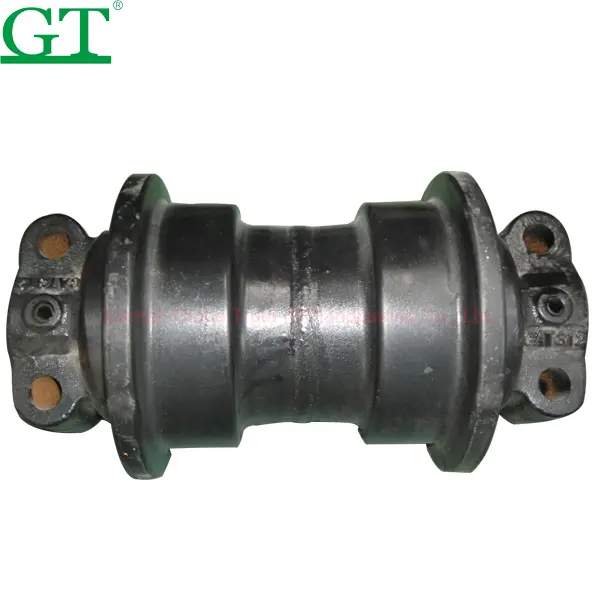
Არასაკმარისი სიღრმის გამო მოწყობილი ადრეული დაშლის რეჟიმები: ფირფიტების ჩამოცვეთა, ნაკვეთები და ქვედა ფენებში ჩამოყალიბებული გატეხილება
Როდესაც ცხელების დამუშავება არ აღწევს საკმარისად ღრმა ფენებს, ტრეკის როლერები სამ ძირევან პრობლემას აწყდებიან, რაც მათი სიცოცხლის ხანგრძლივობას დრამატულად ამცირებს. ზედაპირის გამყარებული ფენის ძალიან ჩამოჭრილი სისქე (ჩვეულებრივ 1,5 მმ-ზე ნაკლები) იწვევს ზედაპირის გამოფიტვას (спаллингს), როდესაც ზედაპირი დაიწყებს შეტეხვას. შემდეგ გამოიყოფა პიტინგი — ეს მეტად მოხდება მტვრიან პირობებში, სადაც დეტალები მუდმივად ერთმანეთს ეხეხებიან. ამ ტიპის ზიანი შეიძლება კომპონენტების აბრაზიული wear-ის სიჩქარეს 60–80 პროცენტით გაზარდოს ჩვეულებრივი მაჩვენებლებზე. ყველაზე საშიში პრობლემა კი წარმოიშობა ზედაპირის ქვეშ გამყარებული გარე ფენისა და უფრო ხელმისაწვდომი შიგა მეტალის შეხების წერტილებში ჩამოყალიბებული ხარვეზების გამო. ეს ხარვეზები იზრდებიან, სანამ სრული დაშლა არ მოხდება. რეალური დაკვირვებები აჩვენებს, რომ ცხელების არასაკმარისად დამუშავებული როლერები სამჯერ უფრო ხშირად უნდა შეიცვალოს, ვიდრე სწორად დამუშავებულები. ველზე დაფიქსირებული ადრეული დაშლების 85 პროცენტზე მეტი სწორედ ამ პრობლემების გამო ხდება.
Სიკიდოვნის გრადიენტის პრინციპი: როგორ ახდენს ზედაპირიდან ცენტრამდე გადასვლა გავლენას ტვირთის განაწილებასა და მოტაციური წინააღმდეგობაზე
Სიცოცხლის ხანგრძლივობა დამოკიდებულია კონტროლირებულ სიკიდეს გრადიენტზე: 58–62 HRC ზედაპირზე, რომელიც თანდათანობით შემცირდება საშუალების 35 HRC-მდე. ეს ინჟინერულად შექმნილი პროფილი კონტაქტის ძაბვებს ანაწილებს ფართო ქვეზედაპირულ მოცულობაზე, თავიდან აიცილებს ძაბვის კონცენტრაციას საფარისა და საშუალების საზღვარზე და საშუალებას აძლევს ზედაპირს აბრაზიული მოცვლის წინააღმდეგ წინააღმდეგობის გაწევას, ხოლო საშუალების მიერ შეიძლება შეიწოვოს შეჯახების ენერგია.
Იდეალური ბალანსის მიღწევა: ტრეკის როლერებში ზედაპირის სიკიდე და საშუალების მტკიცება
Სამიზნე სპეციფიკაციები: 58–62 HRC ზედაპირის სიკიდე და 35 HRC საშუალების მტკიცება მაღალი ტვირთის ტრეკის როლერებისთვის
Ტრაკის როლერები, რომლებიც მძიმე ტვირთებს ატარებენ, უნდა ჰქონდეს ზედაპირები გამაგრებული HRC 58–62 შუალედში, რათა წინააღმდეგობა შეძლონ აბრაზიულ აბრაზიას. ამავე დროს, საყრდენი მასალის ცენტრალური ნაკრები უნდა ჰქონდეს მინიმუმ 35 HRC სიხშირის მოცულობითი მიმდევრობის მინიმუმ მაჩვენებელი, რათა არ გატეხოს შეუცდომელი შეჯახების დროს. როდესაც წარმოებლები ამ პარამეტრებს სწორად აკმაყოფილებენ, ისინი ზედაპირის ქვეშ ქმნიან ისე წონასწორობის სტრესის გრადიენტს. ეს ხელს უწყობს მცირე ხარვეზების წარმოქმნის შეჩერებას მეტალის ღრმა შიგნით, რაც სწორედ იწვევს სპალინგს იმ ნაკეთობებში, რომლებიც არ არის სწორად გამაგრებული. 2023 წლის ASM International-ის კვლევის მიხედვით, ამ სპეციფიკაციების მიხედვით შემდგენი როლერები ექსკავატორების ქვედა ნაკრებში 2,3-ჯერ უფრო ხანგრძლივად იმსახურებენ, ვიდრე უფრო დაბალი ხარისხის მუშავებით შემდგენი როლერები. საერთოდ, უფრო მკვრივი გარე ფენა აძლევს დღიურ შემახარებელ ძალებს მოსარგებლად, ხოლო უფრო ხელმისაწვდომი შიგა ნაკრები მოქმედებს როგორც შოკის შემკავებელი ყველა იმ რთული მომსახურების დროს, რომელსაც ეს მანქანები საშენებლო მოედნებზე განიცდიან.
Გაცივების სტრატეგიის შერჩევა: პოლიმერი წინააღმდეგ ზეთს — გავლენა გაცივების სიჩქარეზე, მარტენსიტის სიღრმეზე და დეფორმაციის კონტროლზე
Როდესაც გამაგრების პროცესში ვიყენებთ ზეთს, ჩვენ ვიძენთ სწრაფ გაგრილების სიჩქარეს, მაგრამ ამ პროცესს ასევე აქვს უარყოფითი მხარე. მასში მასალაში წარმოიქმნება მკვეთრი ტემპერატურული განსხვავებები, რაც მატერიალების დამუშავების ტექნოლოგიის ჟურნალში 2022 წელს გამოქვეყნებული კვლევის მიხედვით, დეფორმაციის პრობლემებს მიაღწევს დაახლოებით 40 პროცენტით მეტად, ვიდრე პოლიმერებზე დაფუძნებული ხსნარების გამოყენების შემთხვევაში. პოლიმერების გამაგრება სხვაგვარად მუშაობს, რადგან წარმოებლებს შეუძლიათ მათი კონცენტრაციის დონეების რეგულირება იმისთვის, რომ ზუსტად დააკონტროლონ ნაკეთობების გაგრილების სიჩქარე. ეს უზრუნველყოფს ბევრად უკეთეს სიმკვრივის სიზუსტეს სხვადასხვა სერიაში, რომელიც ჩვეულებრივ მერყეობს მხოლოდ დაახლოებით 0,5 მმ-ით განსაკუთრებული მნიშვნელობიდან. ამასთანავე ეს ნიშნავს, რომ დამუშავების შემდეგ ნაკლები მასალა უნდა გამოიყოს გრინდერით. რეალური გამოყენების მაგალითებზე დაკვირვების შემთხვევაში, როგორიცაა მძიმე მანქანებში გამოყენებული მნიშვნელოვანი ტრეკის როლერების წარმოება, კომპანიები აცხადებენ, რომ პოლიმერების გამაგრებაზე გადასვლის შემდეგ ხარჯები დაკარგული სამუშაო სივრცის შემცირება მიაღწევს დაახლოებით 30 პროცენტით. ამასთანავე ისინი ინარჩუნებენ ამ კომპონენტების საჭიროებულ ძირითად სიმტკიცეს, რაც უზრუნველყოფს მათ საიმედო მუშაობას სიძნელის მაღალი პირობებში დროთა განმავლობაში.
Სიზუსტის მარეგულირებლობა ინდუქციური მშრალების საშუალებით სავალი როლერის სიღრმის მუდმივობის უზრუნველყოფად
Საშუალო სიხშირის ინდუქცია (1–10 კГც): საშუალებას აძლევს მეორედ გამეორებადი 1,8–3,5 მმ სიღრმის მიღებას ±0,3 მმ დაშორებით
Საშუალო სიხშირის ინდუქციური მკვეთრობა ტრაკის როლერებს აძლევს იმ უპირატესობას, რომელსაც სხვა ნებისმიერი მეთოდი ვერ აძლევს მეტალში გამოწვევის ღრმას კონტროლის საკითხში. ეს პროცესი მუშაობს 1–10 კილოჰერცის სიხშირის დიაპაზონში და ქმნის საფარის სიგრძეს დაახლოებით 1,8 მილიმეტრიდან 3,5 მმ-მდე. ეს დიაპაზონი საკმაოდ მნიშვნელოვანია, რადგან იგი თავიდან აიცილებს მიკროტრეშების წარმოქმნას ზედაპირის უშუალო ქვეშ, როდესაც ტექნიკა დღეს დღეს მძიმე ტვირთებს იტანს. ±0,3 მმ-ის საშუალებით მიღებული სიზუსტე გარანტირებს თითოეულ სერიაში მიღებული ნაკეთობების მთლიანად ერთნაირ მკვეთრობას, რაც საგრძნობაროდ ამცირებს სპალინგის პრობლემებს. ტრადიციული ღუმელის მეთოდებთან შედარებით, რომლებშიც ნაკეთობები ნელა გახურდებიან, ინდუქციური გახურება სწრაფია და მხოლოდ საჭიროების ადგილას ხდება, ამიტომ ნაკეთობები დამუშავების დროს ნაკლებად იხრებიან და კარგი მარტენსიტის წარმოქმნას იძლევიან. სამშენებლო მანქანების შემთხვევაში, ველზე გამოყენების დროს, ტრიბოლოგების მიერ დროთა განმავლობაში დადგენილი მონაცემების მიხედვით, 0,5 მმ-ზე მეტი სიღრმის მცირე განსხვავებაც კი კომპონენტების 40%-ით უფრო სწრაფად აბირთვებას იწვევს. ამ სახის სტაბილურობა საკმაოდ მნიშვნელოვანია იმ შემთხვევაში, თუ კომპანიებს სურთ, რომ მათი მთელი ავტოპარკი წინასწარ განსაზღვრული ხანგრძლივობით იმსახუროს და არ მოხდეს გაუთავებელი გამოსვლები.
Როგორ არეგულირებს ფოლადის შემადგენლობა მის გასახსნელობას და სავალდევნო როლერებში საჭიროებული სიღრმის პრაქტიკულ ცხელ დამუშავებას
Გასარკვევი შენადნობის ეფექტები: მანგანუმი (1,0–1,2 %), ქრომი და მოლიბდენის როლი ჯომინის გასახსნელობაში და სიღრმის წინასწარმეტყველების უზრუნველყოფაში
Ფოლადის შემადგენლობა მნიშვნელოვნად განსაზღვრავს საყიდლის სიღრმეს და იმ ფაქტს, თუ შეიძლება თუ არა მკვეთრობის გრადიენტის სტაბილურობის შენარჩუნება. მანგანუმი 1,0–1,2 პროცენტის რაოდენობით ხელს უწყობს გამაგრებადობის გაზრდას, რადგან ის შემცირებს კრიტიკულ გაგრილების სიჩქარეს ნაკეთობების გამაგრების პროცესში, რაც საშუალებას აძლევს მეტად ღრმა მარტენსიტის წარმოქმნას და არ წარმოიქმნას თავისუფალი ხარვეზები. 1,0 პროცენტზე მეტი ქრომის დამატება კი ამ ეფექტს კიდევე უფრო გაძლიერებს და ეფექტური გამაგრების სიღრმეს 40 პროცენტით გაზრდის ჩვეულებრივი ნახშირბადის ფოლადებთან შედარებით. მოლიბდენი სხვაგვარად მოქმედებს, მაგრამ არ კლებულობს მისი მნიშვნელობა: ის ფაქტიურად აფინებს სიმაღლის სტრუქტურას და თავისუფალდება ტემპერირების შემდგომი სისუსტის წარმოქმნისგან ძალის განთავისუფლების დროს მოხდენილი მოქმედების შედეგად. ამ სამი ელემენტის ერთად გამოყენება შესამჩნევად ამაღლებს ჯომინის საბოლოო გაგრილების ტესტების შედეგებს, რაც ნიშნავს, რომ შეგვიძლია საინდუსტრიო მასშტაბით საყიდლის სიღრმის ზუსტად პრედიქტირება. თუ ამ შენადნობების რაოდენობა არ არის საკმარისი, მკვეთრობის გრადიენტი ხდება არაერთგვაროვანი, რაც მუდმივი მოძრაობის ძალების ზემოქმედების შედეგად უფრო სწრაფ აბრაზიულ აბრაზიას იწვევს. მანგანუმის, ქრომის და მოლიბდენის სწორი ბალანსის დამყარება საშუალებას აძლევს წარმოებლებს მიიღონ საინდუსტრიო სიზუსტით ინდუქციურად გამაგრებული საყიდლები 1,8–3,5 მილიმეტრის სიღრმით და ±0,3 მმ-ის დაშვებული დაშვების სიზუსტით. ეს სიზუსტის დონე საჭიროებულია მძიმე შეჯახებებს ყოველდღიურად განიცდის ტრეკის სისტემებისთვის.
Ხშირად დასმული კითხვები
Რატომ არის ცხელების დამუშავების სიღრმე მნიშვნელოვანი ტრეკის როლერებისთვის?
Ცხელების დამუშავების სიღრმე განსაზღვრავს ტრეკის როლერების სიმტკიცეს, რადგან ის უზრუნველყოფს მათ სპალინგის, პიტინგის და ქვეზედაპირული ჩა cracks-ების წინააღმდეგ, განსაკუთრებით მძიმე ტვირთის პირობებში.
Რა არის იდეალური სიმტკიცის გრადიენტი ტრეკის როლერებისთვის?
Იდეალური სიმტკიცის გრადიენტი მერყეობს ზედაპირზე 58–62 HRC-ს შორის და ნელა მცირდება საშუალების მიმართულებით 35 HRC-მდე, რაც უზრუნველყოფს დატვირთვის ბალანსირებულ განაწილებას და მოტაცების წინააღმდეგ მედეგობას.
Რატომ უნდა აირჩიოთ პოლიმერული გაცივება ზეთის გაცივების ნაცვლად?
Პოლიმერული გაცივება უფრო მუდმივ შედეგებს იძლევა და შემცირებს დეფორმაციის რისკს, რაც ნაკლებ მოთხოვნას იწვევს დამუშავების შემდგომი ეტაპების მიმართ და ამცირებს ხელახლა დამუშავების აუცილებლობას ზეთის გაცივებასთან შედარებით.
Როგორ შეიძლება ფოლადის შემადგენლობა გავლენა მოახდინოს როლერის გამაგრებადობაზე?
Ფოლადში მანგანუმის, ქრომის და მოლიბდენუმის არსებობა ამაღლებს გამაგრებადობას და უზრუნველყოფს სიღრმის წინასწარ განსაზღვრას, რაც აუცილებელია ტრეკის როლერების სიმდგრადობის შესანარჩუნებლად მუდმივი შეჯახების პირობებში.
Შინაარსის ცხრილი
- Რატომ განსაზღვრავს ცხელების დამუშავების სიღრმე პირდაპირ Ხარშის როლი Სერვისის გარანტია
- Იდეალური ბალანსის მიღწევა: ტრეკის როლერებში ზედაპირის სიკიდე და საშუალების მტკიცება
- Სიზუსტის მარეგულირებლობა ინდუქციური მშრალების საშუალებით სავალი როლერის სიღრმის მუდმივობის უზრუნველყოფად
- Როგორ არეგულირებს ფოლადის შემადგენლობა მის გასახსნელობას და სავალდევნო როლერებში საჭიროებული სიღრმის პრაქტიკულ ცხელ დამუშავებას
- Ხშირად დასმული კითხვები

