Hydraulic cylinders are one of the most important components in an excavator hydraulic system. They convert hydraulic pressure into mechanical force, allowing the boom, arm, and bucket to perform powerful digging operations. A reliable hydraulic cylinder directly affects machine performance, productivity, and operating costs.
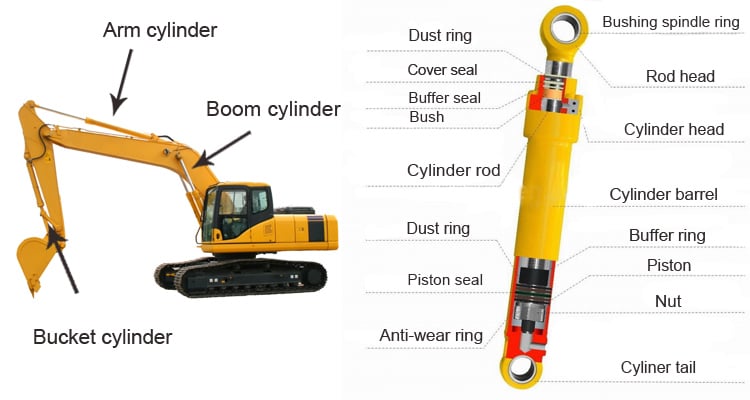
An excavator hydraulic cylinder is a hydraulic actuator that uses pressurized hydraulic oil to create linear movement. It consists of several key components, including the cylinder barrel, piston rod, piston, seals, gland, and hydraulic ports.
When hydraulic oil enters one side of the cylinder, it pushes the piston and extends or retracts the rod. This movement provides the force needed for excavation, lifting, and material handling operations.
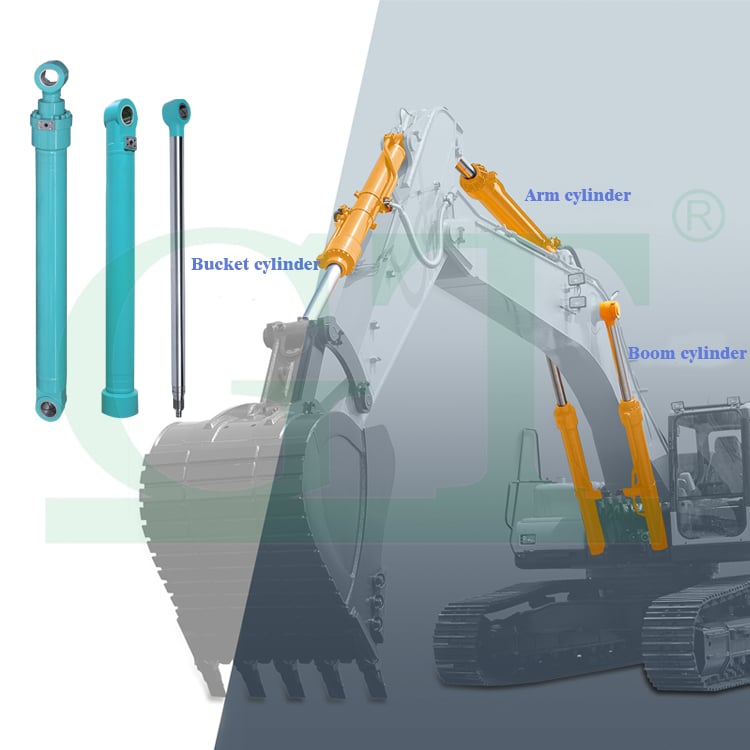
Common excavator hydraulic cylinders include:
The cylinder barrel provides the working chamber for hydraulic oil pressure. High-quality steel and precision machining are required to withstand continuous heavy loads.
The piston rod transfers hydraulic force into mechanical movement. The surface treatment and hardness of the rod are critical for wear resistance and corrosion protection.
The piston separates the two oil chambers inside the cylinder. High-performance seals prevent hydraulic oil leakage and maintain stable pressure during operation.
Hydraulic ports connect the cylinder with the excavator hydraulic system, allowing oil flow for extension and retraction.
Even high-quality hydraulic cylinders will experience wear after long-term operation. Common problems include:
Damaged seals, worn piston rods, or scratches on the cylinder surface may cause oil leakage.
Reduced hydraulic pressure, internal leakage, or worn seals can lead to slower operation and lower working efficiency.
Heavy impact loads or improper operation may cause piston rod deformation, resulting in cylinder failure.
Dust, mud, and harsh working environments can accelerate wear on exposed cylinder components.
Proper maintenance can significantly reduce downtime and repair costs.
1. Check Hydraulic Oil Regularly
Contaminated hydraulic oil can damage seals and internal components. Regular oil inspection helps prevent premature failure.
2. Keep the Piston Rod Clean
The exposed piston rod should be protected from dirt and scratches, especially when operating in mining, quarry, or muddy environments.
3. Avoid Overloading
Operating beyond the designed capacity puts excessive stress on cylinders and other hydraulic components.
4. Choose Reliable Replacement Parts
A replacement hydraulic cylinder should match the original specifications, including dimensions, working pressure, sealing system, and material quality.
For excavator owners and spare parts distributors, choosing the right hydraulic cylinder is essential for maintaining machine performance.
A high-quality aftermarket hydraulic cylinder should provide:
At GT Machinery Parts, we supply hydraulic cylinders for excavators, bulldozers, loaders, and other heavy equipment applications. Our products are manufactured with strict quality control to meet the requirements of global aftermarket customers.
Whether you need a boom cylinder, arm cylinder, bucket cylinder, or customized hydraulic cylinder, we can provide reliable solutions for your equipment.


 EN
EN