Types of Excavator Bucket Teeth for Best Use

Get a Free Quote

Our representative will contact you soon.
Email
WhatsApp / Mobile
Name
Company Name
Message
0/1000

Excavator bucket teeth types

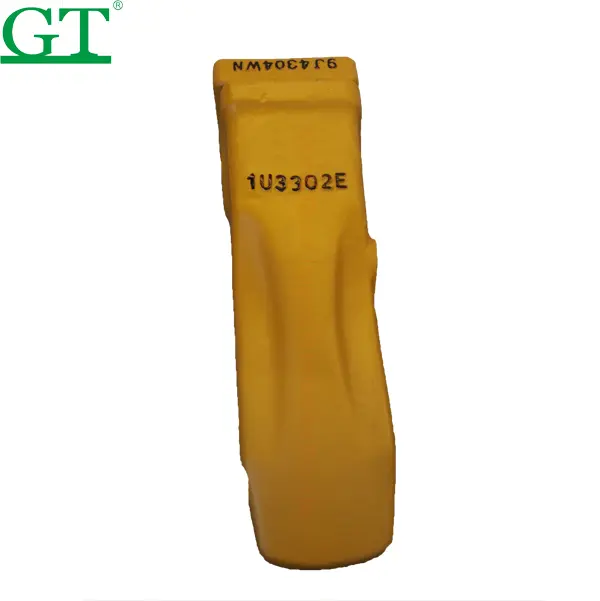
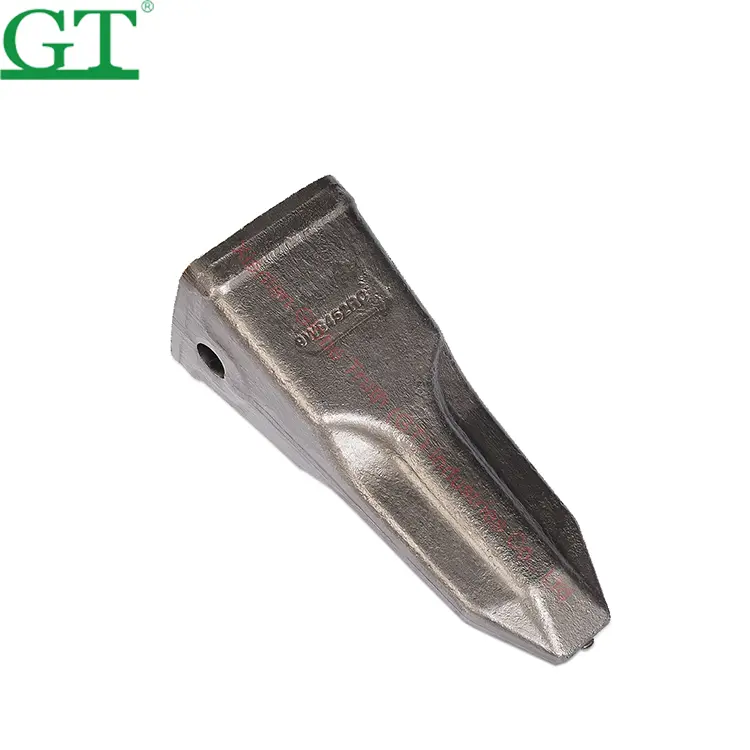
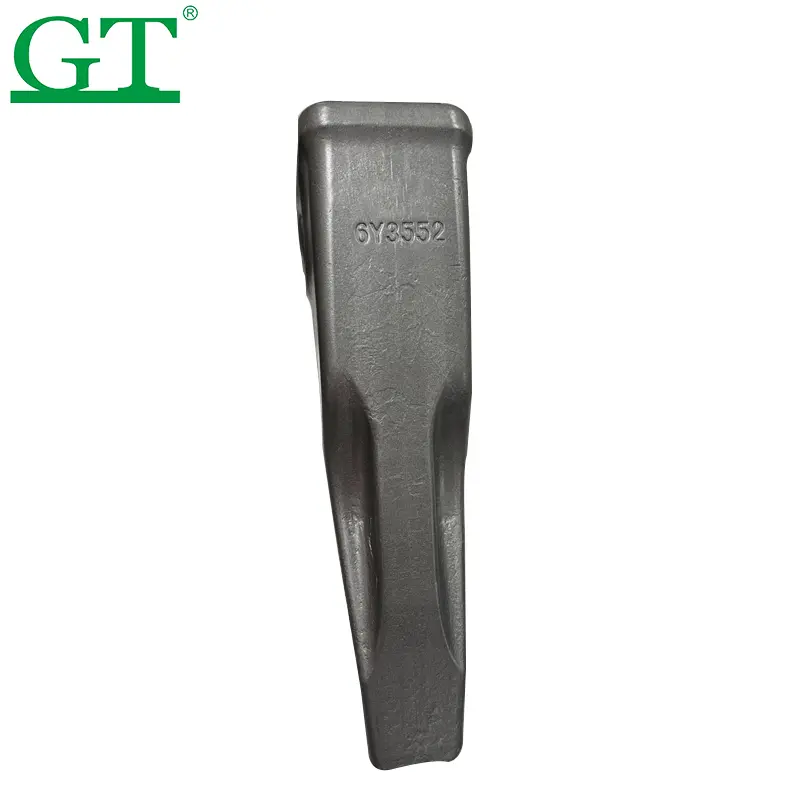
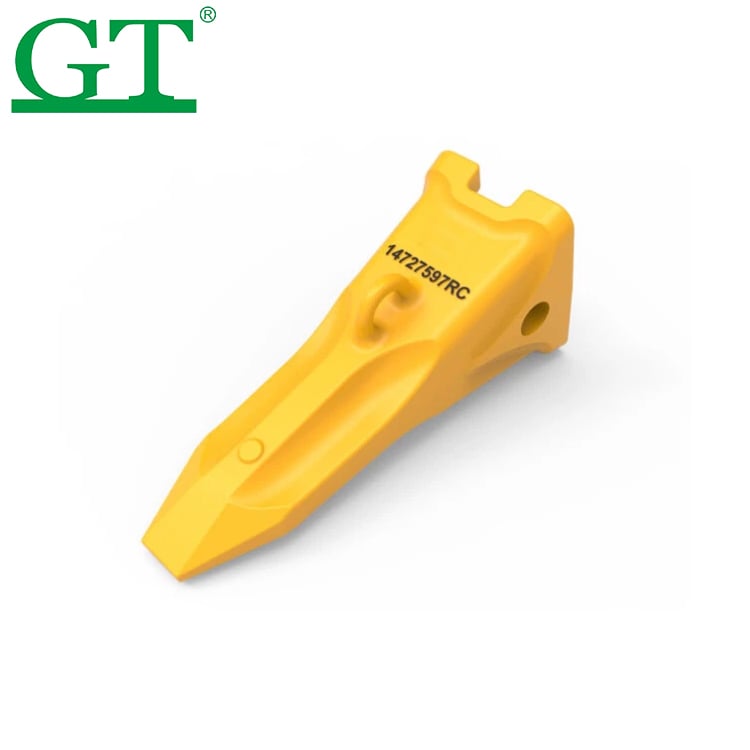
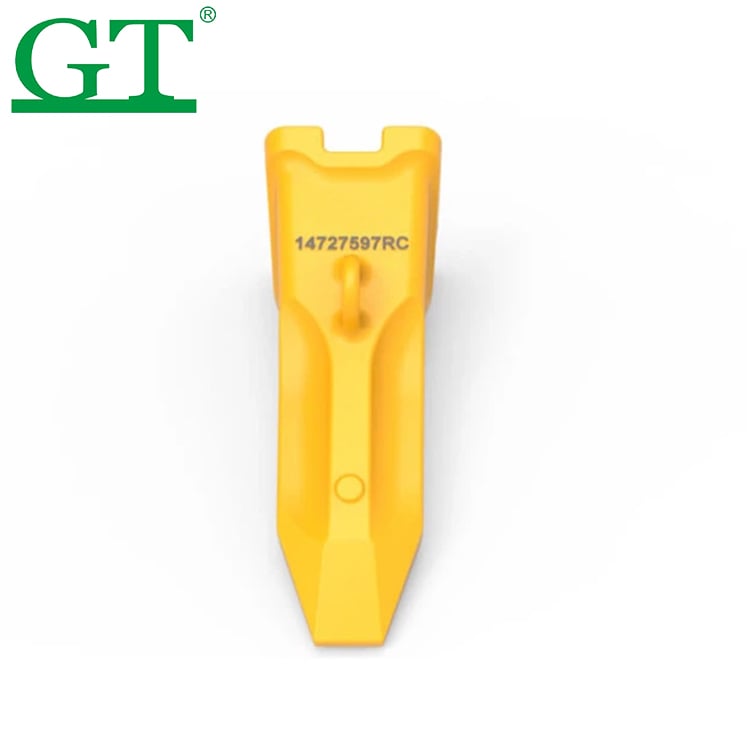
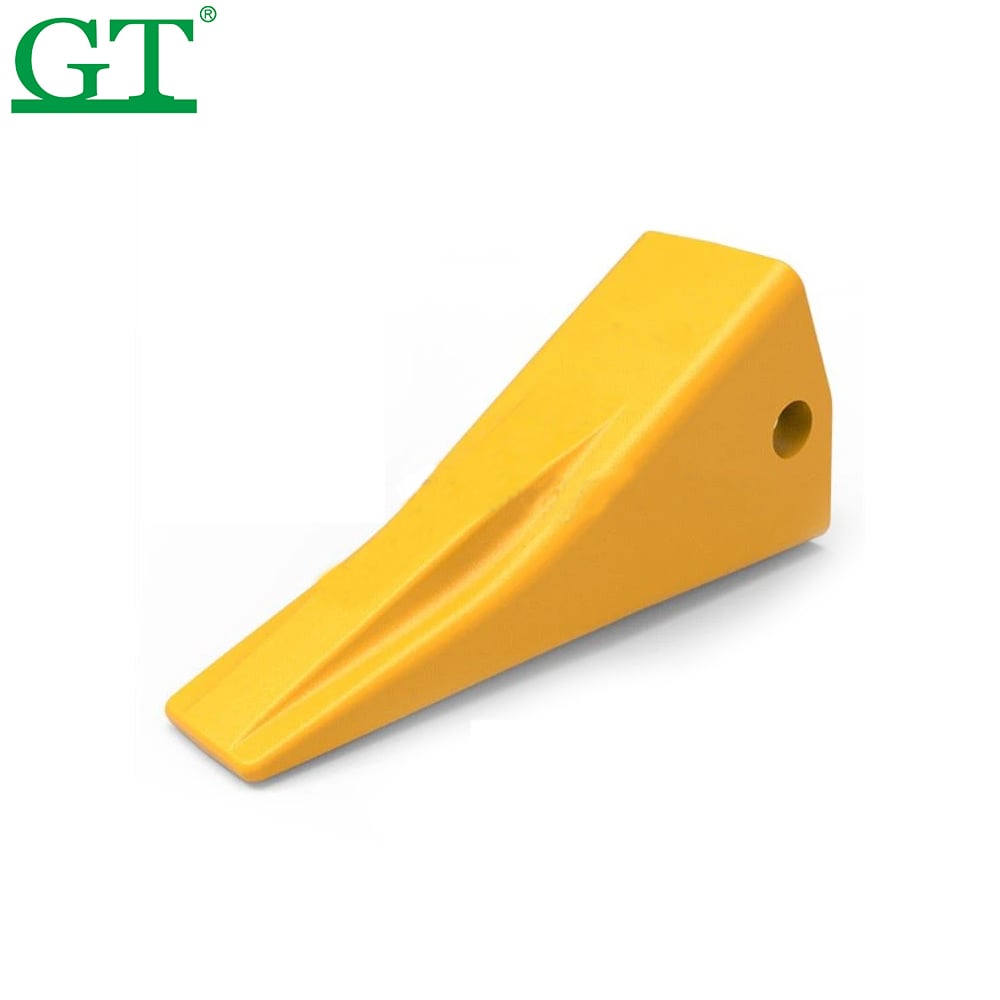
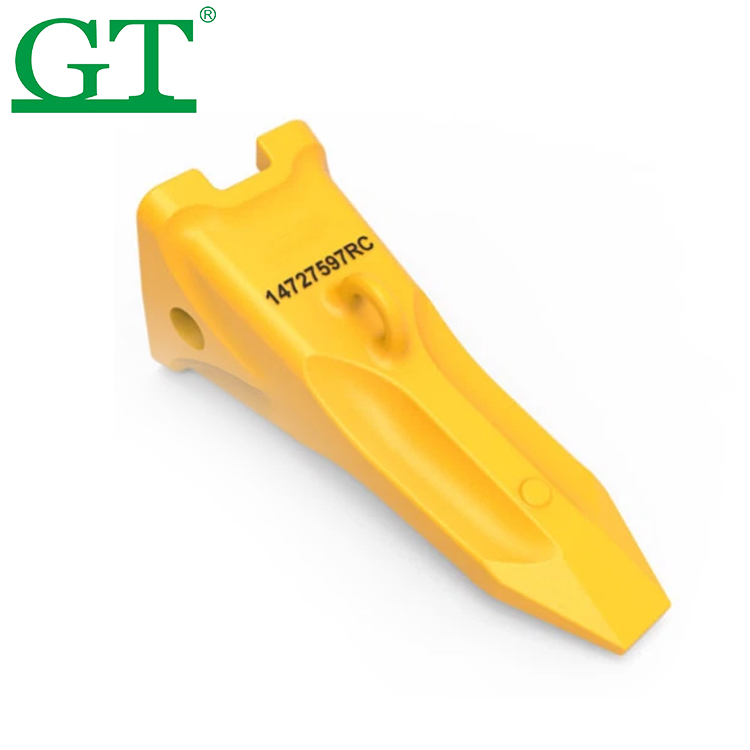
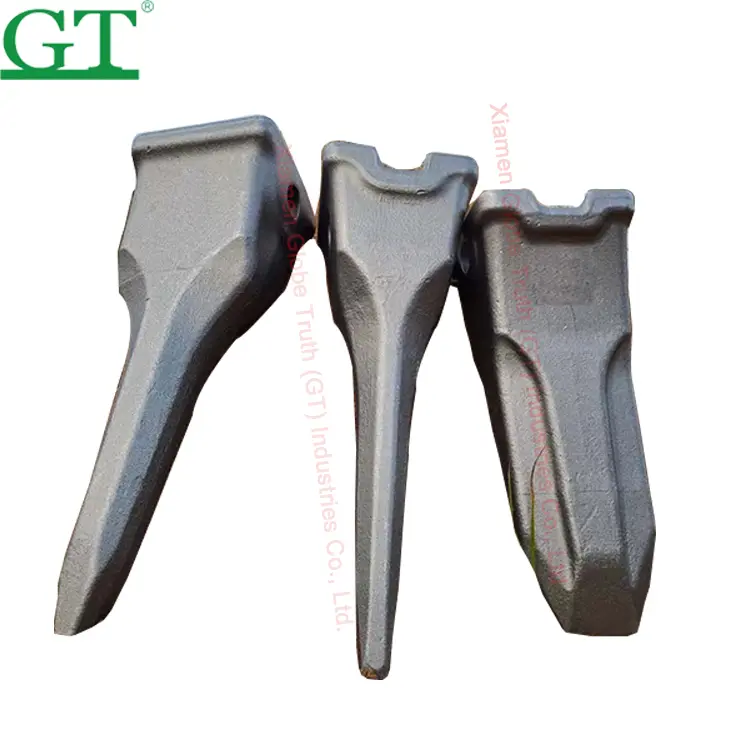
Excavator bucket teeth are very important parts of an excavator. They help dig into the ground and break up hard materials. There are different types of bucket teeth, and each type is made for specific jobs. For example, some teeth work best in soft soil, while others are better for rocky ground. Knowing about the different types can help you choose the right one for your project. Our company, Globe, offers a variety of bucket teeth that can fit different needs.  Let’s look at how to pick the best teeth and the benefits of using specific types. 

When you need to choose the best skid steer bucket teeth for your projects, there are a few things to think about. First, consider the type of material you will dig into. If you are working on soft soil, you might want a tooth that can scoop easily. This type of tooth is usually wider and has a curved shape. On the other hand, if you are dealing with hard rock, you need a tooth that is strong and pointed. This helps break the rock apart more effectively. 
Why choose Globe Excavator bucket teeth types

Our Products

What Are the Different Types of Excavator Bucket Teeth for Optimal Performance?

Next, think about the size of your excavator. Bigger machines can handle larger and heavier teeth. If you put heavy teeth on a small excavator, it might get damaged. Also, you should think about how often you will use the excavator. If you’re using it every day, you want durable teeth that last a long time. Globe has teeth made from special materials that can withstand harsh conditions. 

skid loader bucket with teeth are important parts of an excavator, which is a big machine used for digging. These teeth help the machine dig into the ground, making it easier to move dirt, rocks, and other materials. The type of bucket teeth can really change how well the excavator works. When we talk about performance, we mean how well the machine can dig. For example, if the teeth are sharp and strong, they can cut through tough soil and rock. This means the excavator can work faster and do a better job. On the other hand, if the teeth are dull or weak, the machine might struggle to dig. This makes the job take longer and can even cause problems for the machine. 

Frequently Asked Questions

Our Blog Posts

Heavy-Duty Track Roller with Special Hardening Treatment for Superior Wear Resistance

30

Oct

Heavy-Duty Track Roller with Special Hardening Treatment for Superior Wear Resistance

The Science Behind Hardening Treatments for Enhanced Track Roller Performance Why Wear Resistance Is Critical in Heavy-Duty Track Rollers In abrasive environments like mining and construction, track rollers face sustained contact pressures exceedin...
View More
Why Bauer Drilling Rigs Are Leading the Foundation Construction Industry in 2025

18

Mar

Why Bauer Drilling Rigs Are Leading the Foundation Construction Industry in 2025

The Technological Evolution of Bauer Drilling Rigs: From Mechanical Systems to Smart, AI-Driven Machines Historical Advancements in Drilling Equipment Shaping Modern Foundation Technology Back in the 1930s, foundation drilling was all about those ...
View More
How Soil Type and Rock Abrasion Change Und ercarriage Wear Patterns

31

Jan

How Soil Type and Rock Abrasion Change Und ercarriage Wear Patterns

Soil Type Fundamentals: How Cohesion, Hardness, and Moisture Drive Wear Mechanisms Cohesive vs. Non-Cohesive Soils: Mud, Clay, and Sand Wear Signatures Clay soils stick together and hold water really well, creating sticky layers that actually speed...
View More
Engineering Trade-Offs Between Durability and Weight in Excavator Undercarriage Design

31

Jan

Engineering Trade-Offs Between Durability and Weight in Excavator Undercarriage Design

The Core Durability–Weight Trade-Off in Excavator Undercarriage Design Why Higher Durability Typically Increases Mass: Metallurgical and Structural Constraints Getting excavator undercarriages to last longer runs straight into problems with k...
View More

What Our Partners Say

Get a Free Quote

Our representative will contact you soon.
Email
WhatsApp / Mobile
Name
Company Name
Message
0/1000

Related product categories

How to Choose the Right Excavator Bucket Teeth for Your Project Needs?

How to Choose the Right Excavator Bucket Teeth for Your Project Needs?

At Globe, we know that choosing the right bucket tooth is very important. Different jobs need different types of teeth. Some teeth are made for soft soil, while others are made for hard rock. This is why it is important to match the bucket teeth to the job you are doing. If you are digging in sand, you might want teeth that are lighter and easier to use. But if you are digging in rocky ground, you need stronger, tougher teeth that can handle the pressure. The right teeth can help save time and energy, making the excavator work better and more efficiently. 

What to Consider When Buying Excavator Bucket Teeth in Bulk?

What to Consider When Buying Excavator Bucket Teeth in Bulk?

Durability is very important when it comes to bucket teeth skid steer. A strong tooth will last longer and need fewer replacements. This means less downtime for the machine, which is good for business. A durable tooth can resist wear and tear, which happens when the teeth scrape against hard materials. At Globe, we focus on making bucket teeth that are built to last. We use high-quality materials so that our teeth can withstand tough conditions. Some features that make a tooth durable include being made from tough metal and having a good design that helps reduce wear. When the teeth are strong, they can keep working for a long time, which saves money in the end. 

Where Can You Buy Excavator Bucket Teeth with Fast Shipping Options?

Where Can You Buy Excavator Bucket Teeth with Fast Shipping Options?

When choosing the right excavator bucket teeth, it helps to have a guide. Here’s a simple guide to help you understand the different types of teeth and their uses. First, there are standard teeth, which are great for general digging. They work well in many different types of soil. Then, there are rock teeth, which are designed for digging in hard ground. These teeth are stronger and have a special shape to help break up rock. There are also wide teeth, which cover more area and are good for moving large amounts of dirt quickly. Finally, there are pointed teeth that are sharp and great for digging deep holes. 

WhatsApp WhatsApp E-mail E-mail YouTube YouTube FaceBook FaceBook Linkedin Linkedin
email goToTop