 EN
EN


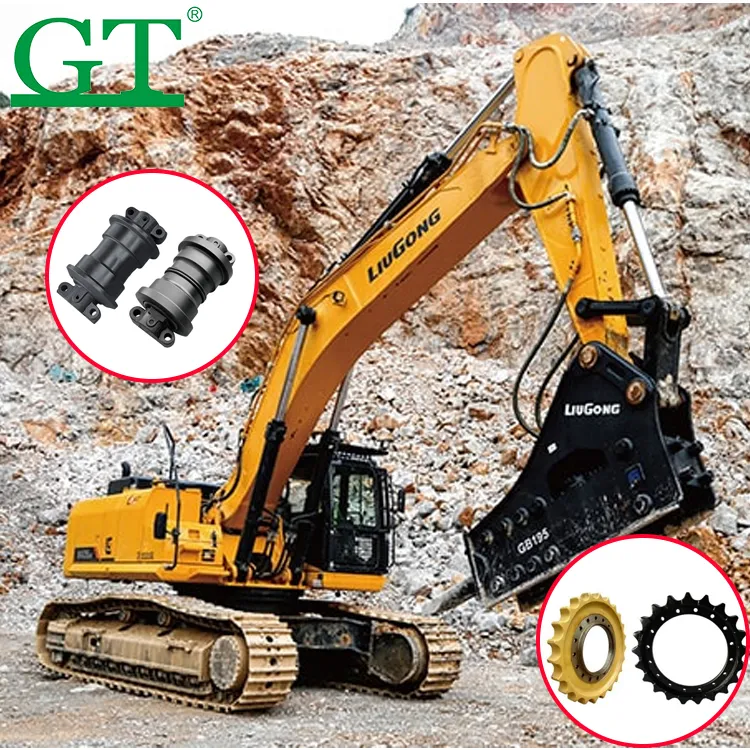
OEM-Grade Quality Standards Define Top Undercarriage Parts Manufacturers
Heat treatment precision, dimensional tolerances, and corrosion-resistant alloys
Manufacturers who specialize in premium undercarriage parts get their products to match original equipment manufacturer standards because they really understand metal properties and how materials behave. When companies apply precision heat treatments like induction hardening, they're able to reach that sweet spot where surfaces become super hard (around 55 to 60 on the Rockwell scale) without making the core brittle. This balance is what keeps those track links and rollers from cracking when hit by sudden impacts. Getting dimensional accuracy down to within plus or minus 0.05 millimeters makes all the difference for proper fitting in machines ranging from excavators to bulldozers. No one wants parts that don't align properly since that just leads to premature wear and tear. For fighting off corrosion, these top tier parts often contain special alloys with about 16 to 18 percent chromium mixed with roughly 10 to 12 percent nickel. These combinations create protective oxide layers that significantly slow down rust formation, especially important near saltwater areas or in acidic conditions. All these scientific improvements show up in real world performance too. Mining operations regularly report getting over 10,000 hours out of these components before replacement, which means they last almost twice as long as cheaper alternatives on the market.
How ISO/TS 16949 certification and in-house metallurgical testing ensure consistency
The ISO/TS 16949 standard serves as the backbone of quality management in automotive manufacturing, pushing companies to implement statistical process controls throughout their production facilities. When it comes to checking metal composition during casting operations, automated spectrographic analysis does most of the heavy lifting. Any batch showing carbon content variations above 0.03% gets tossed out immediately. For deeper inspection, our own metallurgy lab pulls one unit from every 500 produced. They cut these samples open under microscopes to check how hard different sections are and whether the internal structure looks right. This matters a lot because weak spots in parts like sprocket teeth can lead to catastrophic failures down the road. We also keep an eye on quenching temperatures in real time, allowing only a 5 degree Celsius margin for error between batches. This attention to detail means components consistently hit those tough OEM specifications when it comes to handling loads over time.
Performance-Tiered Undercarriage Parts: Matching Application Demands
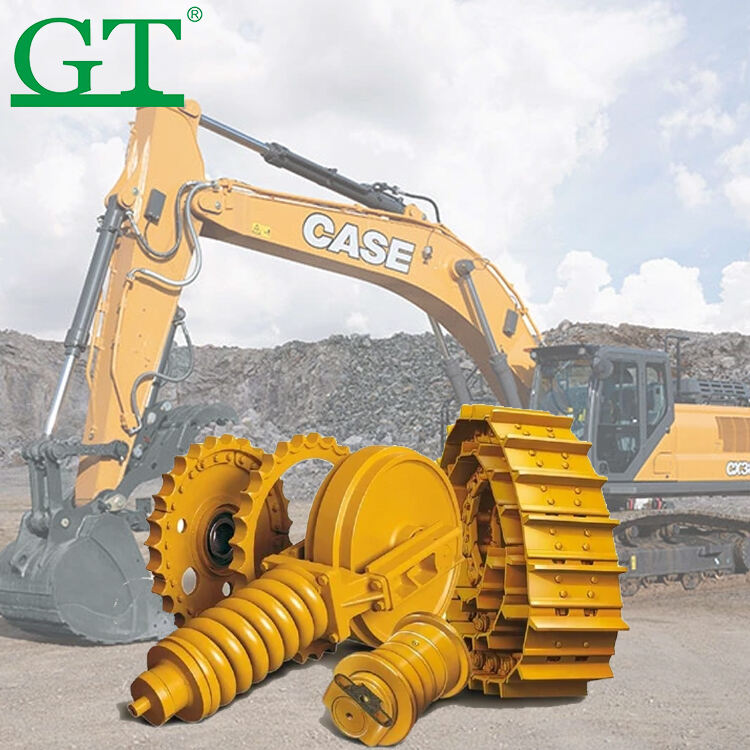
Abrasion-Resistant vs. Heavy-Duty vs. General-Duty Undercarriage Parts — Material and Geometry Trade-offs
Selecting undercarriage parts aligned with operational intensity extends service life and reduces ownership costs by up to 30%, according to the 2023 Equipment Engineering Report. Three performance tiers address distinct duty cycles:
| Tier | Core Materials | Key Applications | Lifespan vs. Cost |
|---|---|---|---|
| Abrasion-Resistant | Boron steel, chromium overlays | Mining, quarrying | +50% lifespan / +35% cost |
| Heavy-Duty | Tempered alloy steel, reinforced welds | Forestry, demolition | +25% lifespan / +20% cost |
| General-Duty | Standard carbon steel, hardened pins | Light construction, agriculture | Baseline performance |
Parts that resist abrasion focus on being tough rather than light weight, with thicker track links and deeper grousers built right in. These are absolutely necessary when working on really rough stuff like granite or iron ore deposits. For heavy duty setups, manufacturers often go with hexagonal bolt arrangements and bigger rollers across the board. This works great on rocky ground where there are sudden impacts from time to time. The general duty versions tend to have simpler shapes like symmetrical track shoes which work okay on flat surfaces but wear down much faster if used somewhere they don't belong. When operators pick the wrong parts for their specific job conditions, replacement rates jump by around 40 percent according to field reports. That's why picking the right level of parts matters so much for keeping machines productive and getting good long term value out of them.
Engineering Innovations That Extend Undercarriage Life
Bolt-on sprockets, DuraLink™ modular tracks, and optimized track shoe contouring
The bolt-on sprocket design makes it possible to replace just sections rather than taking everything apart for maintenance, which cuts down on repair time by around 40%. DuraLink™ modular tracks have those replaceable links that actually last about 30% longer compared to old school continuous track systems. The track shoes themselves were redesigned with better shapes that shed off dirt and grit much easier, so there's less drag on the machine and less strain inside the components. What really stands out though is how these improvements hold up when working in rough terrain where things get worn down fast. Modern track profiles also incorporate special contours that absorb vibrations, helping prevent metal from getting tired over time. According to equipment technicians in the field, machines with these upgrades typically need replacing parts only every 20% longer period even when pushed hard in tough conditions. This translates into real savings for companies because they spend less money fixing machines and lose fewer hours waiting for repairs.
Aftermarket patents: dual-hardness rollers and reinforced idler hubs
The patented dual hardness roller design features tough outer layers that resist wear while the inner core absorbs shocks, which means these parts last about 25 percent longer when put through their paces in harsh environments. The reinforced idler hubs have those special ribbed insides plus better seals that stop bearings from failing after months of carrying heavy loads straight through production lines. This kind of engineering cuts down on warping problems during rough operation cycles, so components stay functional longer and save money over time. With ongoing research into materials and how things are built, what really matters for undercarriage durability isn't just meeting specs anymore it's seeing actual improvements in how equipment performs day after day on factory floors across the country.
Reputation, Support, and Real-World Reliability of Leading Undercarriage Parts Brands
CAT, Komatsu, OHP, Tekamo HD, and Rent1USA — warranty coverage, uptime data, and technical support depth
The best undercarriage part manufacturers stand out because their products actually last longer and come with solid backing from the company. Leading brands typically provide extended warranties on their top quality components, sometimes lasting years past what original equipment makers offer. This shows real confidence in how consistently their metal holds up over time and how well their designs work in practice. Real world testing across industries such as mining operations and large scale construction projects has shown that good undercarriage systems cut down unexpected breakdowns by quite a bit. What really separates top suppliers though is not just how long they'll cover repairs but also what kind of help they give when problems arise. Many offer round the clock engineering help, hands on training for maintenance crews, plus software tools that track component life cycles. These resources let operators keep machines running smoothly while saving money over time. When dealing with equipment where failure means serious consequences, strong support isn't something extra it's actually necessary for making sure those expensive parts work just as promised once installed at actual worksites.
FAQ Section
What are OEM-grade undercarriage parts?
OEM-grade undercarriage parts are components that meet the quality and performance specifications set by original equipment manufacturers (OEMs). These parts are engineered to fit and function just like the original, ensuring optimal performance and longevity.
How do heat treatments affect undercarriage parts?
Heat treatments such as induction hardening are used to enhance the hardness of the surface of metal parts, making them more resistant to wear and tear while maintaining flexibility in the core to prevent brittleness. This is crucial for parts like track links and rollers that endure high impact loads.
Why is ISO/TS 16949 certification important for undercarriage parts manufacturers?
ISO/TS 16949 certification ensures that a manufacturer adheres to automotive industry standards for quality management. This certification focuses on continuous improvement, defect prevention, and reduction of variation and waste in the supply chain.
What factors influence the lifespan of undercarriage parts?
The lifespan of undercarriage parts is influenced by the materials used, the type of workload they endure, and the maintenance they receive. Parts made from high-quality alloys and treated with advanced engineering processes tend to last longer.
How do engineering innovations contribute to the durability of undercarriage parts?
Engineering innovations such as bolt-on sprockets, modular track systems, and optimized shoe contouring extend part durability by reducing wear, easing maintenance, and absorbing operational stresses, leading to prolonged service life.
Table of Contents
- Performance-Tiered Undercarriage Parts: Matching Application Demands
- Engineering Innovations That Extend Undercarriage Life
- Reputation, Support, and Real-World Reliability of Leading Undercarriage Parts Brands
-
FAQ Section
- What are OEM-grade undercarriage parts?
- How do heat treatments affect undercarriage parts?
- Why is ISO/TS 16949 certification important for undercarriage parts manufacturers?
- What factors influence the lifespan of undercarriage parts?
- How do engineering innovations contribute to the durability of undercarriage parts?

