 EN


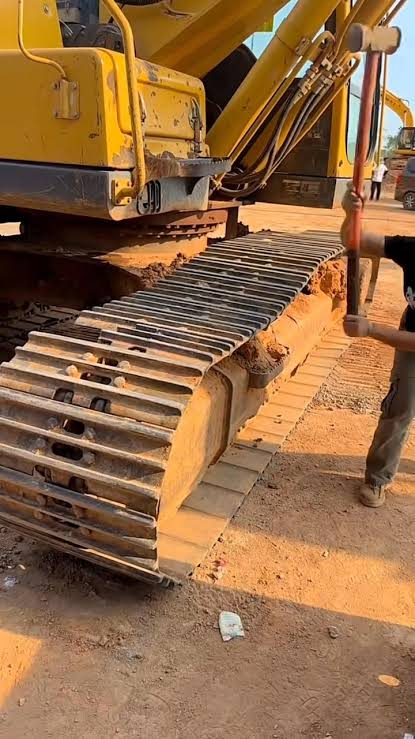
An excavator's track chain takes a lot of punishment on the jobsite. Mud, sand, rocks, frequent turning, and heavy working conditions all affect undercarriage wear.
Some wear is expected. But if the track links wear unevenly or reach their service limits too early, it is worth checking the cause before replacing the chain.
Here are the main issues to look for.
1. Working Conditions and Ground Abrasion
Ground conditions are one of the biggest factors affecting track link service life.
Sand and gravel can gradually wear down the link rails. Rocky ground adds impact loads, while wet clay can pack tightly around the undercarriage and make inspection more difficult.
Excavators working in quarries, mines, and abrasive soil may therefore experience faster wear than machines operating on softer ground.
What to check: Look for excessive rail wear, scoring, and localized damage. Compare the wear with the machine's working environment and operating hours.
2. Incorrect Track Tension
Track tension that is too tight increases resistance as the chain moves around the undercarriage. This can add unnecessary load to the track links, rollers, and idlers.
If the track is too loose, chain guidance may become less stable, increasing the risk of derailment or abnormal contact in certain conditions.
What to check: Measure track sag according to the excavator manufacturer's procedure. Do not use the same adjustment value for every model or working condition.
3. Worn Track Rollers and Idlers
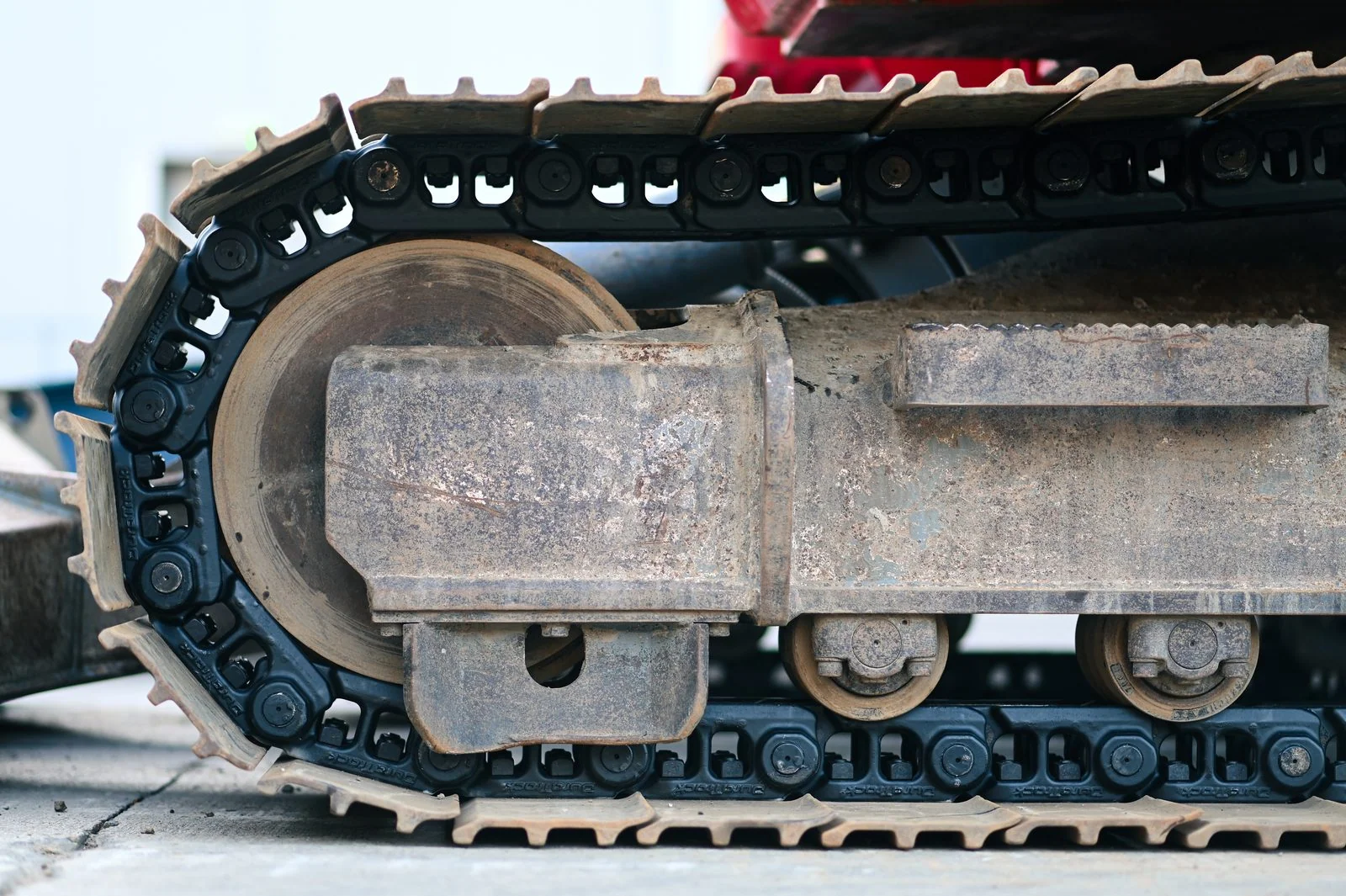
Track rollers support the machine's weight, while the front idler helps guide the track chain.
As these components wear, their contact surfaces and guiding profiles can change. Damaged roller flanges or uneven idler wear may cause the chain to run abnormally and contribute to uneven track link wear.
What to check: Inspect roller treads, flange surfaces, idler condition, and signs of unusual contact. If wear is concentrated on one side of the track links, check the guiding components carefully.
4. Frequent Turning and Side Loading
Excavators often turn in confined spaces and work on uneven ground. These movements can create additional lateral forces on the undercarriage.
Repeated sharp turns, counter-rotation, and working across slopes may contribute to uneven wear, particularly when one side of the machine carries more load or experiences more frequent turning.
What to check: Compare the left and right track chains. If one side wears faster, review the machine's operating pattern and inspect the related undercarriage components.
5. Worn Sprockets and Track Chain Components
The sprocket engages with the track chain bushings to drive the machine. As the sprocket teeth and chain components wear, their engagement geometry changes.
Wear in the pins and bushings can also increase track chain pitch. This may affect sprocket engagement and accelerate wear across the undercarriage system.
What to check: Inspect sprocket tooth profiles, pins, bushings, and chain pitch. If several components are worn together, replacing only the track links may not be the most economical solution.
6. Poor Undercarriage Cleaning and Maintenance
Packed mud, stones, and other debris can make it harder to inspect the track chain and may interfere with normal component movement in some conditions.
When regular inspections are missed, early signs of abnormal wear can go unnoticed until the damage becomes more serious.
What to do: Clean the undercarriage when necessary, inspect the track chain regularly, and record wear measurements over time.
How to Prevent Premature Track Link Wear
A few basic maintenance practices can help extend service life:
-
Keep track tension within the manufacturer's specified range.
-
Inspect track links, rollers, idlers, and sprockets together.
-
Avoid unnecessary sharp turns on hard or abrasive surfaces where possible.
-
Remove packed material and debris during routine maintenance.
-
Measure wear rather than relying on appearance alone.
-
Confirm machine model, part number, and specifications before ordering replacement components.
Final Thoughts
Abnormal excavator track link wear is not always caused by the chain itself. Ground conditions, track tension, turning habits, and worn undercarriage components can all contribute to the problem.
Before replacing the track chain, inspect the entire undercarriage and identify where the wear is coming from. A little more attention during inspection can help avoid unnecessary replacement costs and reduce unexpected downtime.
The goal is not simply to replace worn parts, but to understand why they wore out in the first place.

