 EN
EN


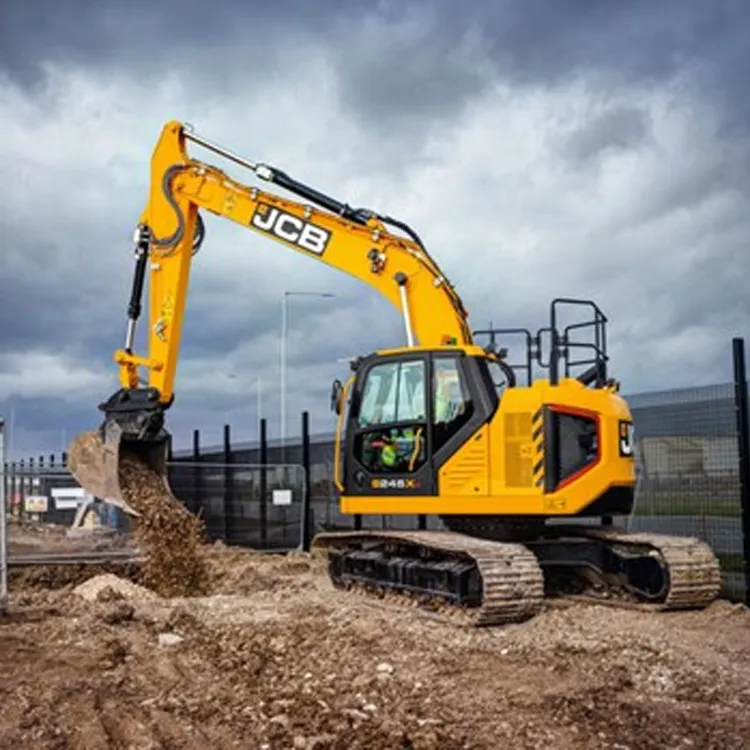
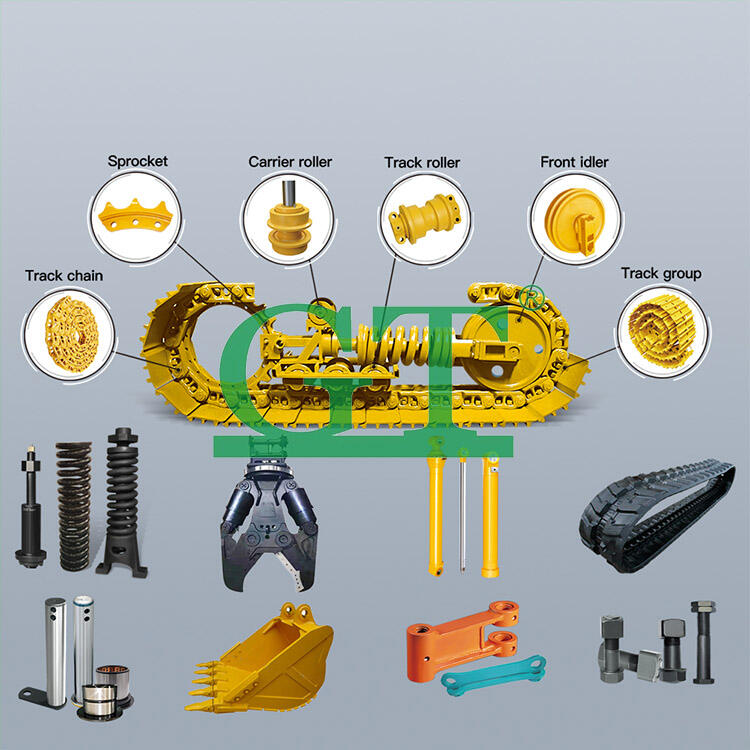
Undercarriage Components: The Core of Excavator Spare Parts Reliability
Tracks, Rollers, Idlers, and Sprockets — Critical Wear Points for Continuous Operation
The undercarriage of excavator carries well over half the total machine weight and takes the brunt of all those ground impacts during operation. Without it functioning properly, nothing else works right. The tracks spread out the weight across different types of terrain while various parts like rollers, idlers, and sprockets keep everything aligned and moving smoothly along with proper tension maintained throughout. When something goes wrong down there in the undercarriage area, operators face serious problems fast. Industry reports show that breakdowns in this part alone cause around two thirds of all unexpected downtime expenses according to recent equipment reliability research findings.
Key wear indicators include:
- Roller flanges: Worn flanges accelerate track link wear by 40%
- Sprocket teeth: Mismatched sprocket-track pitch increases stress fractures by 35%
- Idler alignment: Misalignment exceeding 3mm cuts component lifespan in half
Track chain stretch beyond 3% signals urgent replacement—delaying action risks cascading damage to rollers, idlers, and sprockets.
Bushings, Seals, and Socket Assemblies — Precision Engineering to Prevent Premature Failure
Precision-machined bushings and seals eliminate metal-to-metal contact at pivot points—the leading cause of undercarriage degradation is abrasive contamination. High-tolerance socket assemblies preserve structural integrity during torsional loads. Critical design features include:
- Bushing hardness: Case-hardened surfaces (58–62 HRC) resist grit embedment in harsh environments
- Labyrinth seals: Multi-channel barriers reduce contaminant ingress by 80% versus single-seal designs
- Thermal expansion matching: Aligned coefficients between pins and bushings prevent seizure during load cycling
Manufacturers maintaining ±0.05mm tolerances report 30% longer service intervals before rebuilds.
Hydraulic System Spare Parts: Ensuring Consistent Excavator Performance
Hoses, Cylinders, and Final Drive Seals — Controlling Leakage and Maintaining Pressure Integrity
Most excavators rely on hydraulic systems for around 90% of their movements, which means keeping pressure tight and preventing leaks just can't be ignored. According to a recent study by the Ponemon Institute in their 2023 report on industrial equipment reliability, worn out hoses actually account for about 40% of all hydraulic system failures. Good quality cylinders make a big difference when it comes to controlling those booms and sticks accurately. And let's not forget about those final drive seals that keep dirt and debris out of the gearbox where they don't belong. Investing in premium grade seals pays off too since they last about 30% longer than cheaper options, saving money on repairs down the road. Smart operators know to check hoses at least once a month looking for cracks or swelling spots. As for those final drive seals, replacing them roughly every 5,000 hours of operation helps prevent expensive breakdowns that could shut down entire operations.
Swing and Final Drives — Load-Bearing Excavator Components Designed for Long-Term Durability
Swing drives allow machines to rotate completely around in all directions even when carrying weight. The final drives then take that power and send it out to the tracks. These components face massive twisting forces, sometimes reaching as high as 15,000 Newton meters during intense digging operations. Lower quality models typically last about 8,000 working hours before breaking down, whereas genuine OEM quality parts can easily go beyond 15,000 hours without issues. What makes these parts last so long? Look for gears treated with hardening processes that prevent surface damage, complex sealing systems that keep dirt out, and strong metal casings designed to handle stress without cracking. Operators should replace those swing bearing bolts every 10,000 hours or so to avoid getting stuck unexpectedly. According to field reports from one of the big equipment manufacturers, switching to precisely manufactured components cuts down on drive problems by roughly two thirds compared to standard alternatives.
Filters, Fluids, and Cooling Systems: Proactive Excavator Maintenance Essentials
Keeping filters, fluids, and cooling systems in good shape helps stop two big problems that lead to equipment failure: dirt buildup and heat damage. When air, hydraulic, or fuel filters get clogged, performance drops off fast. Most operators find that swapping out these filters every 250 to 500 hours keeps things running smoothly with proper airflow and fluid movement throughout the system. Checking engine oil, hydraulic fluid, and coolant levels daily makes a huge difference too. Combine those daily checks with regular fluid changes according to manufacturer specs, and machines stay protected from viscosity issues and parts wearing down prematurely. Cooling system problems actually account for around 23% of all unplanned shutdowns across industries. That's why looking for leaky hoses, making sure radiators have enough airflow, and giving heat exchangers a gentle cleaning with low pressure water is so important for preventing dangerous overheating situations. Stick to this kind of maintenance schedule and most components last about 40% longer than usual. The financial benefits stack up too many companies report saving roughly $18,000 each year on repairs for every piece of equipment they properly maintain.
| Maintenance Component | Critical Actions | Impact |
|---|---|---|
| Filters | Replace every 250–500 hours | Prevents 67% of contamination-related failures |
| Fluids | Daily level checks + scheduled changes | Reduces wear by 30% and avoids viscosity breakdown |
| Cooling Systems | Leak inspections + radiator cleaning | Mitigates 23% of thermal shutdown risks |
Ground Engaging Tools (GET): Optimizing Productivity and Reducing Excavator Downtime
Bucket Teeth and Adapters — Direct Impact on Cycle Time, Wear Distribution, and Component Fatigue
The performance of bucket teeth and their adapters has a major impact on how efficiently machines dig through materials, since they help reduce resistance while keeping material moving smoothly. Well kept teeth can actually shorten work cycles by around 15% in many operations. Placing them strategically helps spread out the wear evenly along the cutting edge area, which stops certain spots from getting too stressed and wearing out faster than others. What happens when teeth wear unevenly? The extra vibration gets passed right through to the adapters, making cracks more likely to form where stress is already high. Operators who rotate their teeth positions about every 50 hours of operation tend to see about 30% longer service life from their equipment, something most experienced crews have learned through trial and error over time. Those beveled connections between teeth and adapters handle impacts much better compared to flat ones, cutting down on shock transfer to critical parts like pins and bushings by roughly 40%. Get all these components working together properly and there's a real chain reaction effect: less vibration means hydraulic cylinders last longer, and steady digging pressure keeps swing motors running more efficiently overall.
FAQ
Why is undercarriage maintenance critical for an excavator?
Undercarriage maintenance is critical because it bears the weight of the excavator and absorbs ground impacts. Malfunction in this component can lead to significant operational issues and cause two-thirds of unexpected downtimes.
How often should excavator filters be replaced?
Excavator filters should be replaced every 250 to 500 operational hours to prevent contamination-related failures and ensure optimal performance.
What is the role of precision-machined bushings in excavators?
Precision-machined bushings eliminate metal-to-metal contact at pivot points, reducing wear and abrasive contamination, the primary cause of undercarriage degradation.
What preventative measures can extend the lifespan of swing and final drives in excavator spare parts?
Switching to OEM quality parts, ensuring gear hardening, and performing regular bolt replacements can significantly prolong the operational life of swing and final drives.
Table of Contents
- Undercarriage Components: The Core of Excavator Spare Parts Reliability
- Hydraulic System Spare Parts: Ensuring Consistent Excavator Performance
- Filters, Fluids, and Cooling Systems: Proactive Excavator Maintenance Essentials
- Ground Engaging Tools (GET): Optimizing Productivity and Reducing Excavator Downtime
- FAQ

