EN
EN


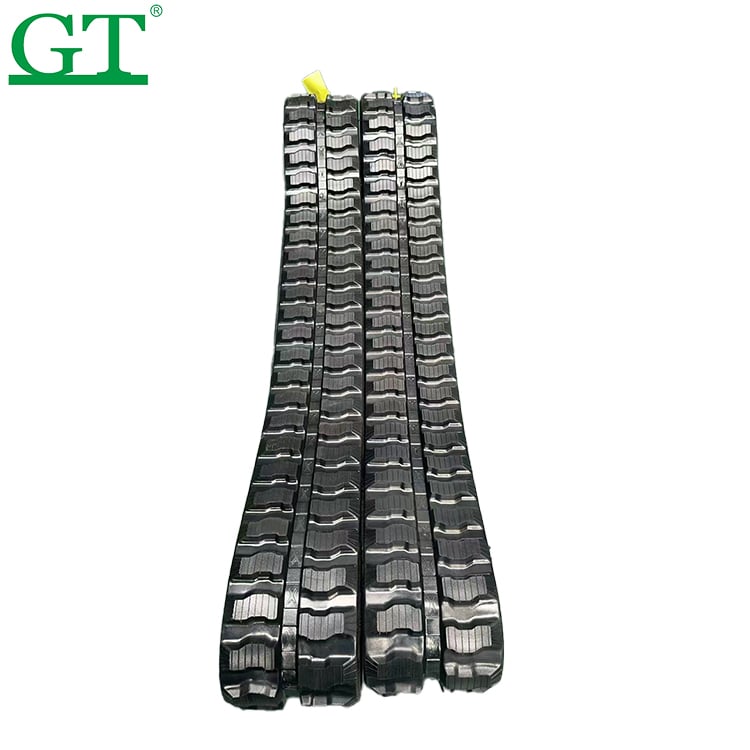
Rubber tracks are important parts for heavy machines, and the 400x86x52 size is very popular. These tracks help machines move smoothly over different surfaces like mud, snow, or rocky ground. When you see big machines like excavators or bulldozers, they often have rubber tracks instead of wheels. Rubber tracks are better because they provide more grip and protect the ground beneath them. Globe makes high-quality rubber tracks, including the 400x86x52 size. This means that when people need to replace their tracks, they can trust our brand to provide strong and durable options.
The 400x86x52 rubber tracks are essential for heavy equipment for many reasons. First, they give machines better traction. When a bulldozer or excavator is working in wet or muddy areas, rubber tracks dig into the ground. This helps the machine stay stable and not slide around. For example, if a worker is digging a trench in the rain, rubber tracks help the machine stay in place. Another reason these tracks are important is that they reduce damage to the surfaces they move on. Unlike metal tracks, rubber tracks are softer and do not leave marks or damage the ground. This is especially important in areas like parks or gardens where keeping the ground nice is key. Also, rubber tracks are quieter than metal ones, making them a better choice for jobs in residential areas. They create less noise, which is important when working near homes. The 400x86x52 size is designed to fit many different types of machines, making them versatile. If you use a mini excavator or a larger piece of equipment, these tracks can often fit. This versatility is a big plus for construction companies because it means they can stock one type of track for several machines. Lastly, our rubber tracks for a skid steer are known for their durability. They last longer than other tracks, which means that companies save money over time because they do not have to replace them as often. Overall, the 400x86x52 rubber tracks are a smart choice for heavy equipment because they combine performance, protection for the ground, and cost-effectiveness.