Gidravlik oqimni nazorat ostidagi aylanishga aylantirish
Ekskavatorda aylanish dvigateli yuqori qismning aylanishini ta'minlaydi. Bu eng ko'rinadigan komponent emas, lekin uning yo'qligida mexanizm faqat bitta joyda qazishdan tashqari hech nima qila olmaydi.
Jarayon tamoyili jihatdan oddiy. Gidravlik moyi aylanish dvigateliga oqib kiradi va ichki dvigatel hamda kamaytirishli reduktorlarni harakatlantiradi. Bu aylanish aylanish tishli g'ildirakka uzatiladi, natijada ekskavatorning yuqori qismi chapga yoki o'ngga buriladi. Amaliyotda muhim bo'lgani — bu aylanishning qanchalik silliq va doimiy sodir bo'lishidir.
Yaxshi aylanish dvigateli faqat aylanmaydi — u harakatni boshqaradi. Operatorlar teshiqdan avtomobilda yuklash joyigacha aylanganda barqaror tezlanish, tirnashsiz harakat va aniq to'xtashni talab qiladi. Shuning uchun ichki tormoz tizimlari va oqim boshqaruvi ahamiyat kasb etadi. Ular ortiqcha aylanishni oldini oladi va xususan tor qurilish maydonchasida aniq joylashuvni saqlashga yordam beradi.
Kundalik ishda oddiy birlik va yaxshi qurilgan birlik o'rtasidagi farqni sezish oson: aylanish silliqroq, boshqaruv yaxshiroq va mashinaning qolgan qismlariga kuchlanish kamroq.
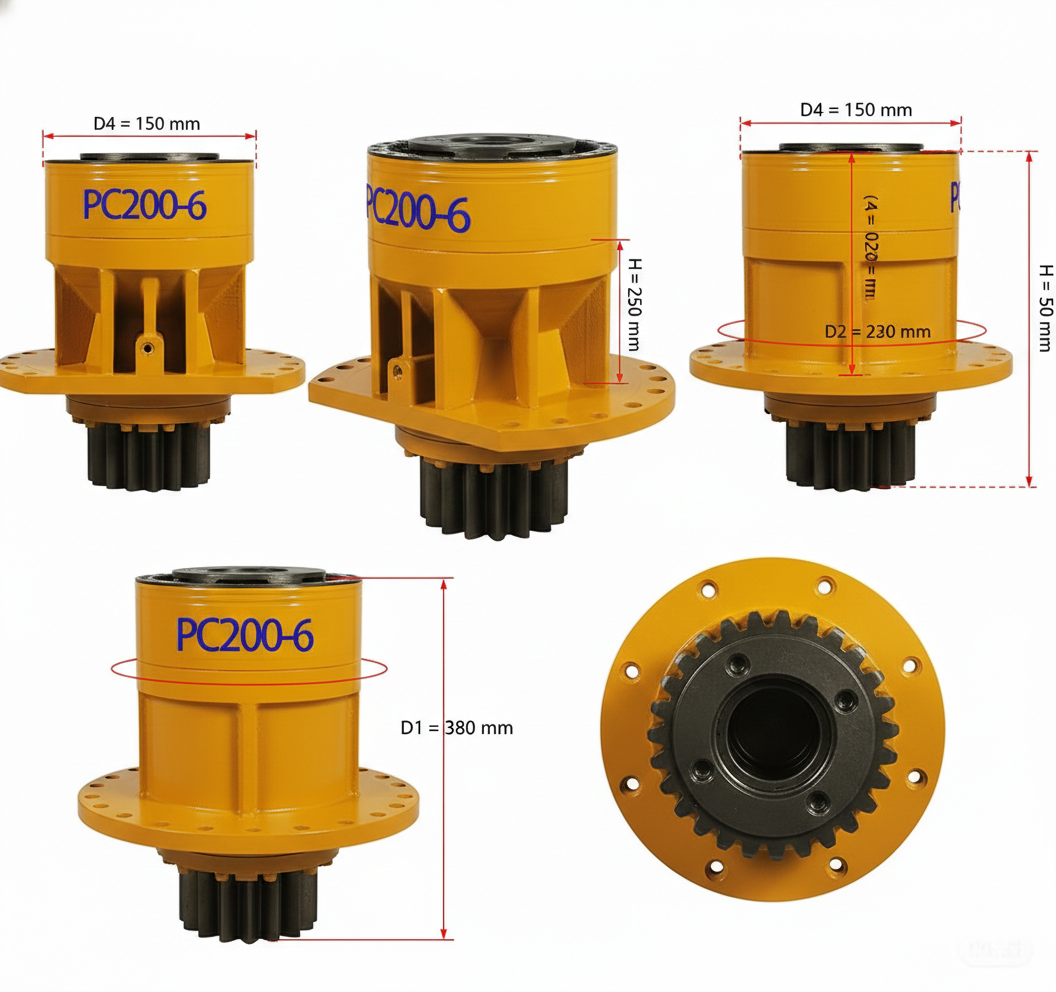
Aylanish dvigateli ishlashini aslida nima belgilaydi
Maydon nuqtai nazaridan ishlash — bu faqat qog'ozda ko'rsatilgan texnik xususiyatlar emas, balki mashinaning takrorlanuvchi tsikllar davomida qanday xulq-at namoyon qilishi.
Operatorlar va texniklar e'tibor beradigan asosiy jihatlarga quyidagilar kiradi:
Aylanish tezligi — yuqori qismning bir pozitsiyadan ikkinchisiga qanchalik tez aylanishi
Buruvchi moment — og'ir yuklarni sekinlanmasdan ko'tara oladimi
To'xtatish barqarorligi — qaytish yoki siljishsiz qanchalik yaxshi to'xtashi
Yengil qo'llanilish sohalari uchun deyarli har qanday dvigatel aylanishni boshqara oladi. Lekin to'la g'ildiraklar, noaniq yuklar yoki aylanish tsikllari bilan shug'ullanish boshlanganda, zaif tizimlar muammolarga duch keladi — sekin javob berish, titroq yoki yomon to'xtatish boshqaruvi.
To'g'ri moslashtirilgan aylanish dvigateli yuk ostida ham harakatni doimiy saqlaydi. Aynan shu doimiylik butun operatsiyaning samaradorligini ta'minlaydi.
Siz ish joyida sezadigan samaradorlikdagi o'sish
Silliq sikllar, tezroq yuklash ritmi
Ko'p hollarda ish joyidagi samaradorlik ritmga bog'liq. Qazish, ko'tarish, aylantirish, chiqarish — bir necha marta takrorlanadi.
Agar aylantirish dvigateli tez va silliq javob bersa, bu ritm doimiy qoladi. Operatorlar kechikishlar yoki nobarqarorlik uchun kompensatsiya qilishga majbur bo'lmaydi va har bir sikl keyingisiga silliq o'tadi.
Haqiqiyda:
Tezroq aylantirish javobi qazish va chiqarish o'rtasidagi kutish vaqtini qisqartiradi
Silliq sekinlashish yuk tashish avtomobillariga yuk yuklash paytida aniq joylashishni osonlashtiradi
Barqaror aylanish operatorning ishonchini oshiradi, ayniqsa tor ish maydonlarida
Bu alohida olganda dramatik o'zgarishlar emas, lekin butun kun davomida ular ish hajmida sezilarli farq qiladi.
Texnikaga kamroq kuch ta'sir qiladi, uzilishlar kamayadi
Yaxshi ishlamaydigan aylanish dvigatellari ko'pincha boshqa joylarda muammolarga sabab bo'ladi.
Tirtilib aylanish yoki kechikkan to'xtatish aylanish yastig'i, reduktor va hatto asosiy konstruksiyaga qo'shimcha yuk qo'yadi. Vaqt o'tishi bilan bu ishlashda yeyilish, shovqin va rejasiz texnik xizmat ko'rsatishga olib keladi.
Ishonchli aylanish dvigateli bilan:
Aylanish nazorat qilinadi, lekin keskin emas
Ichki to'xtatish turtish yuklarini kamaytiradi
Gidravlik oqimi samaraliroq ishlatiladi
Bu natijada to'xtashlar soni kamayadi va texnikaning xulqi-axloqi bashorat qilinadigan bo'ladi. Quruvchilar uchun bu — ishlash vaqti kamayishi va texnik xizmatni rejalashtirishni osonlashtirishni anglatadi.
Turli sohalarda nazorat va barqarorlik
Nega silliq aylanish tezlikka qaraganda muhimroq
Nazariy jihatdan, tezroq aylanish tezligi yaxshiroq tuyuladi. Amalda esa nazorat muhimroq.
Aholi zich joylashgan qurilish maydonlarida—ayniqsa, shahodat yoki cheklangan hududlarda—operatorlar aniq aylanishlarni boshqarib, ortiqcha aylanishdan (overshooting) saqlanishlari kerak. Binolar, troyanlar yoki boshqa jihozlar yaqinida ishlashda hatto kichik muammolar ham kechikishlarga yoki xavfsizlikka xavf tug'dirishi mumkin.
Shuning uchun yaxshiroq aylanish dvigatellari quyidagilarga e'tibor qaratadi:
Qo'rqituvchi tezlik oshish o'rniga nazorat qilinadigan tezlanish
Qaytish (rebound) bo'lmasdan barqaror sekinlashish
Yukdan qat'i nazar doimiy javob berish
Bu turdagi nazorat ko'tarish, troyan qazish va yuk avtomobillarga yuklash kabi ishlarda ayniqsa muhim, chunki aniqlik to'g'ridan-to'g'ri xavfsizlik va samaradorlikka ta'sir qiladi.
Keng tarqalgan aylanishga oid muammolardan qochish
Ko'p hollarda aylanish muammolari katta nosozliklardan emas, balki asta-sekin yeyilish yoki mos kelmaydigan komponentlardan kelib chiqadi.
Ko'pincha uchraydigan muammolar:
To'xtagandan keyin siljish (zaif tormoz tizimi)
Aylanish tezligining noaniqlik (oqim muvozanatsizligi yoki ichki yeyilish)
Shovqin yoki tebranish (avtomatik uzatmalar qutisi yoki podshipniklarga kuchlanish)
Tajribali texniklar odatda quyidagilar orqali ularni dastlabki bosqichda hal qiladi:
Gidravlik bosim va oqim doimiyligini tekshirish
Aylanish paytida g'ayrioddiy tovushlarni kuzatish حركة
To'g'ri moylash va germetiklikni ta'minlash
Ushbu belgilarni dastlabki bosqichda aniqlash keyinchalik kattaroq ta'mirlash ishlarini oldini oladi.
Aylanish dvigatelini ekskavator bilan moslashtirish
Ko'pchilik gidravlik komponentlari singari, aylanish dvigateli ham uskuna bilan mos kelishi kerak.
Kichikroq ekskavatorlar tizimni ortiqcha yuklamasdan tez javob beradigan kompakt dvigatellarga ega bo'lishni talab qiladi. Kattaroq uskunalar esa yuqori qismi va yuklarni boshqarish uchun yuqori buruv momenti chiqishini talab qiladi.
Agar dvigatel kichikroq o'lchamda bo'lsa:
Yuk ostida tebranish sekinlashadi
Yukli ishlash davrida samaradorlik pasayadi
Agar u hajmi jihatdan ortiqcha yoki mos kelmasa:
Gidravlik samaradorligi pasayadi
Boshqaruv aniqroq his qilinmaydi
Haqiqiy sharoitlarda maqsad — ishni bajarish uchun yetarli quvvatga ega bo'lish va mashinani qulay boshqarish imkonini beruvchi silliq boshqaruvni ta'minlashdir.
Tez-tez beriladigan savollar
Ekskavator tebranish dvigateli nima vazifani bajaradi?
U ekskavatorning yuqori qismi aylanishini ta'minlaydi, bu esa mashinaning chap va o'ng tomonga tebranishiga imkon beradi.
Nima uchun silliq tebranish muhim?
Bu boshqaruvni yaxshilaydi, operatorning charchashini kamaytiradi va ish sikllarini doimiy saqlaydi.
Nima sababli aylanish ishlashida yomon natija beradi?
Keng tarqalgan sabablar gidravlik muammolari, ichki yopishuv yoki mos kelmaydigan dvigatel parametrlari bo'lishi mumkin.
Aylanish dvigatellari umumiy mexanizm yopishuviga ta'sir qilishi mumkinmi?
Ha. Yomon aylanish boshqaruvi podshipniklarga, g'ildiraklarga va konstruktiv komponentlarga qo'shimcha kuchlanish yaratishi mumkin.
Qanday qilib ishlashni yaxshilash mumkin?
To'g'ri mos keladigan va yaxshi parvarish qilinadigan aylanish dvigatelidan foydalanish eng samarali usuldir.


 EN
EN