 EN
EN


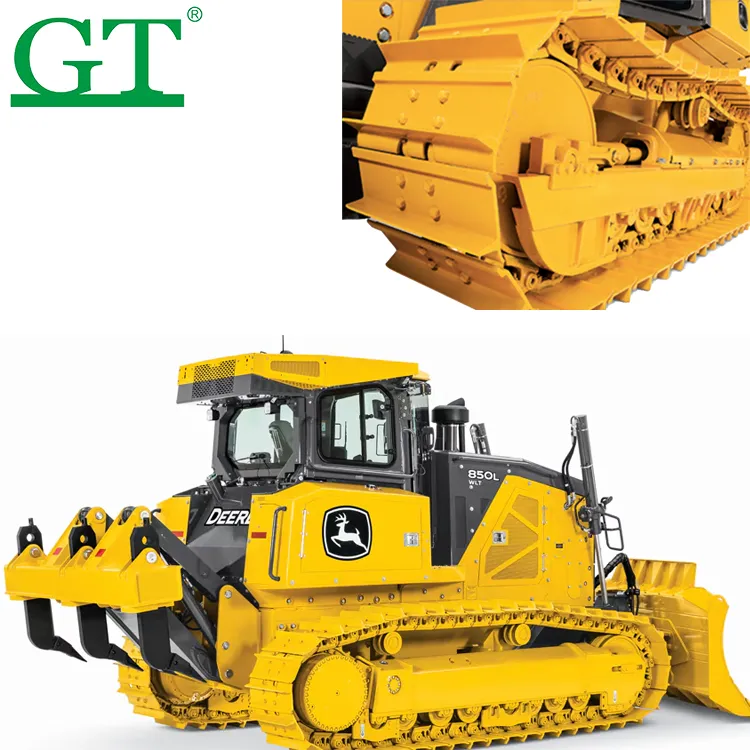
Why the Undercarriage Is the Critical Lifespan Determinant for Excavators
The undercarriage is basically what keeps an excavator standing on its feet. It has to hold up the whole weight of the machine while dealing with rough, gritty terrain day after day. Made up of track chains, rollers, idlers, those big sprockets at the front, plus pins and bushings everywhere, this system takes a real beating when the machine digs into hard surfaces or moves over rocky ground. Problems tend to snowball once things start going wrong. Roller alignment issues lead to faster sprocket wear. If the tracks get too loose, every part in the system gets extra stress. Worn out bushings? That means the whole structure becomes unstable. All these problems show up as less grip on the ground, higher demands on hydraulics, and early wear on the powertrain components. The end result? Machines spend more time in repair shops than they do actually working.
The numbers tell a clear story: undercarriage repairs eat up more than half the maintenance budget for excavators working in really rough terrain. What wears these parts down? Mainly three things. First, there's the constant grinding against silica-rich dirt that acts like sandpaper on metal surfaces. Second, repeated pounding from those heavy duty hydraulic hammers creates all sorts of stress points. And third, when moisture gets into the mix or chemicals are present, corrosion starts eating away at critical components. The problem gets worse fast too. Just a small 5mm gap in track chain alignment can cause roller wear to spike by around 30%. Maintenance crews know this well because everything connects together down there. Skip regular checks on one part and it affects multiple others downstream. That's why keeping tabs on undercarriage health remains absolutely crucial if companies want their machines running reliably through tough jobsites day after day.
Core Undercarriage Components and Their Failure Modes in Demanding Excavator Applications
Functional interdependence of track shoes, rollers, idlers, sprockets, and pins/bushings
An excavator's undercarriage works like one big interconnected machine. The track shoes spread out the weight on the ground, while rollers keep the track chain moving properly. Idlers help maintain straight alignment, sprockets transfer power from the engine, and those little pins and bushings allow all the parts to move together smoothly. When something goes wrong with even just one piece, problems tend to spread throughout the whole system. Take worn bushings for instance—they create extra friction on the pins which can actually speed up wear on sprocket teeth by about 40%, according to IAEM research last year. Because everything is so connected, regular maintenance needs to look at the whole assembly instead of checking each part separately. That's why smart maintenance plans focus on the complete undercarriage rather than individual components.
Dominant wear mechanisms: abrasion, impact fatigue, corrosion pitting, and edge loading from misalignment
Four primary mechanisms dominate undercarriage degradation in demanding applications:
- Abrasion: Silica-rich soils act as natural grinding media, responsible for 70% of track shoe wear in mining environments
- Impact fatigue: Hydraulic hammer use transmits shockwaves that initiate micro-fractures in roller bearing paths
- Corrosion pitting: Chemical exposure in demolition or landfill sites accelerates bushing wall thinning and loss of dimensional integrity
- Edge loading: Track misalignment concentrates stress on idler flanges and sprocket teeth, reducing service life by up to 25%
High-quality, heat-treated components mitigate these risks—extending equipment lifespan by 10–25%, per IAEM testing. Proactive alignment verification is among the most cost-effective interventions available.
Job Site and Operational Factors That Accelerate Excavator Undercarriage Wear
High-Abrasion Soils, Steep Terrain, High-Impact Attachments (e.g., Hydraulic Hammers), and Operator Technique
Excavator undercarriage wear accelerates dramatically under specific job site conditions and operator behaviors. Four dominant drivers shape real-world longevity:
-
Material abrasiveness: Soil composition is a leading determinant of wear rate. Silica-rich sands grind metal surfaces far more aggressively than loam or clay—reducing component life by up to 40% in extreme cases (Equipment Maintenance Quarterly, 2023).
-
Terrain gradient: Operating on slopes ≥15° increases torsional loading on track frames and induces asymmetrical roller wear. Load-sensor data confirms these conditions can triple localized stress on idlers and rollers.
-
High-impact tools: Hydraulic hammers generate resonant shockwaves that propagate into pins and bushings, contributing to 35% of premature sprocket failures via subsurface fatigue.
-
Operator technique: Aggressive maneuvers—including sharp counter-rotations, track dragging during swings, and high-speed travel over uneven ground—create localized heat buildup and mechanical shearing. These practices accelerate bushing hardening and cracking. Formalized operator training programs reduce avoidable wear rates by 22% on average.
Proven Maintenance Strategies to Maximize Excavator Undercarriage Longevity
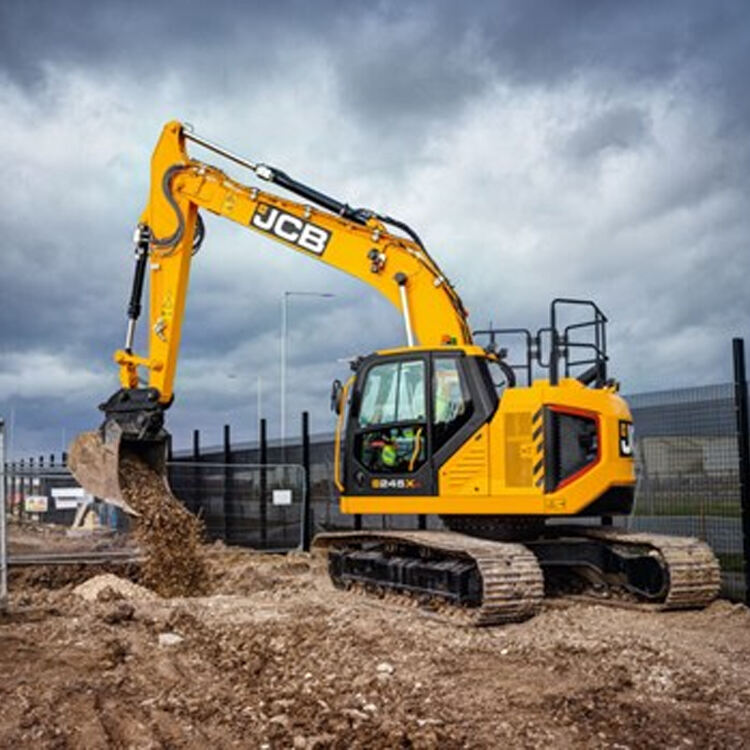
Daily inspection checklist: track tension, pin play, sprocket tooth profile, and shoe bolt integrity
A consistent 15-minute daily walk-around prevents catastrophic failure and identifies 92% of early-stage degradation (Equipment Reliability Institute, 2022). Operators should verify:
- Track sag within 3–5% of manufacturer-specified tension using calibrated measurement pins
- Pin/bushing play with a pry bar; >10mm movement signals imminent replacement
- Sprocket tooth profile for “hooking” exceeding 30% of original tooth height
- Shoe bolts for shearing, loosening, or thread damage—tightened to published torque specs
This disciplined routine delivers immediate ROI by catching issues before they trigger secondary damage.
Data-driven replacement thresholds and critical interventions—lubrication, cleaning, and tension calibration
Quantitative wear limits—not visual estimates—guide optimal replacement timing and targeted interventions:
| Component | Failure Threshold | Intervention |
|---|---|---|
| Rollers | >5mm flange wear | Seal replacement + regreasing |
| Track links | >3% elongation | Full segment replacement |
| Idlers | >4mm sideplay | Bearing repack or full replacement |
Calibrate track tension weekly after high-pressure cleaning—removing abrasive debris improves wear resistance by up to 97%. Lubricate pins every 500 operating hours using lithium-complex grease to reduce friction-induced wear by 40%. These evidence-based actions transform maintenance from reactive repair to predictive preservation.
FAQs
What is the main role of an excavator's undercarriage?
The undercarriage supports the weight of the excavator and enables it to move across rough terrain. It comprises components like track chains, idlers, and rollers that must endure substantial wear and tear.
Why is regular maintenance of the undercarriage important?
Regular maintenance prevents the snowballing of small problems into significant issues that can lead to operational downtime and increased repair costs.
How can operators reduce undercarriage wear and extend lifespan?
Operators can reduce wear by minimizing aggressive maneuvers, performing regular inspections, and adhering to maintenance schedules, including tensioning checks and cleaning to avoid abrasive debris accumulation.
What are the common wear mechanisms affecting excavator undercarriages?
Common wear mechanisms include abrasion, impact fatigue, corrosion pitting, and edge loading due to misalignment.
Table of Contents
- Why the Undercarriage Is the Critical Lifespan Determinant for Excavators
- Core Undercarriage Components and Their Failure Modes in Demanding Excavator Applications
- Job Site and Operational Factors That Accelerate Excavator Undercarriage Wear
- Proven Maintenance Strategies to Maximize Excavator Undercarriage Longevity
- FAQs

