 EN
EN


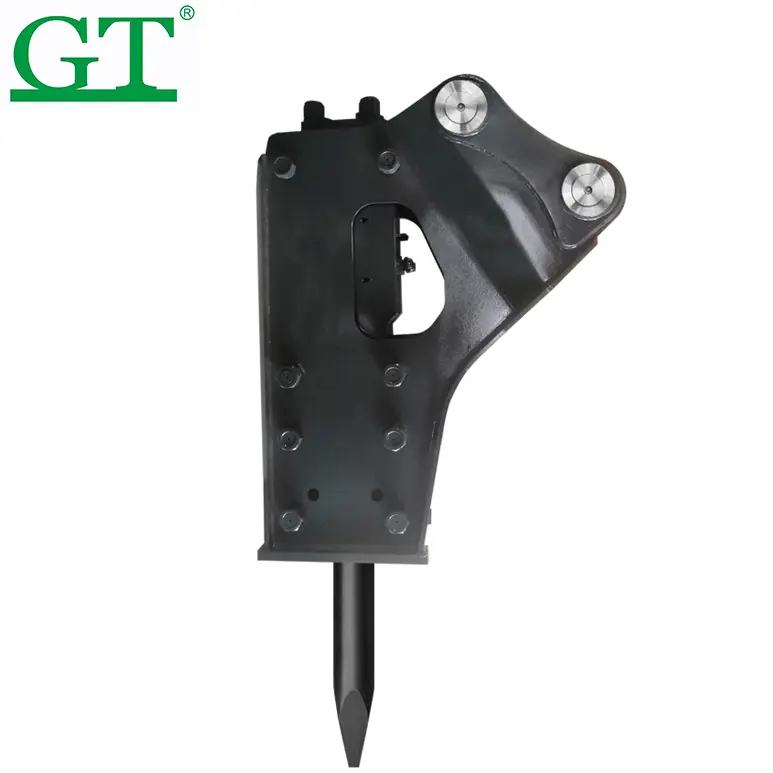
Si Pjesët e bashkuara hidraulike për thyerje Puna: Mekanika bazë dhe optimizimi i energjisë
Shndërrimi i energjisë hidraulike: Nga shtypja e pompës në forcën e kontroluar të goditjes
Pjesët e bashkuara hidraulike për thyerje marrin vajin e shtypur nga çdo makineri ku janë të lidhur dhe e shndërrojnë atë në forcë demolimi të fuqishme duke përdorur një proces mekanik shumë të komplikuar. Kur vaji me presion të lartë hyr në sistemin e valvulave, ai shtyn një piston brenda cilindrit të tij përpara derisa godet pjesën e mjetit me shpejtësi mbi 20 milje në orë. Kjo lëshon një sasi të madhe energjie që mund të thyerë materiale të forta si betoni, gurët ose edhe sipërfaqet e asfaltuara. Pas çdo goditjeje, ekziston një pjesë speciale e quajtur akumulator i ngarkuar me azot, i cili ndihmon të kthejë pistonin në pozicionin origjinal për goditjen tjetër. Disa modele më të reja arrin të kapin rreth 72% të energjisë hidraulike të mbetur pas çdo goditjeje, gjë që zvogëlon humbjet e energjisë ndërkohë që ruajnë shkallën e goditjeve të qëndrueshme gjatë tërë operimit. E gjithë kjo sistem funksionon aq efikasht sa operatorët mund të thyerin struktura betoni të forcuar pa ushtruar stres mbi vetë makinerinë kryesore. Ky lloj menaxhimi inteligjent i energjisë jo vetëm që bën këto mjete më efikase, por zgjaton edhe jetëgjatësinë e tyre në mënyrë të konsiderueshme në krahasim me modelet më të vjetra.
Metrika kryesore të performancës: BPM, energjia e goditjes dhe cikli i punës për efikasitet të vazhdueshëm
Tre metrika të ndërlidhura përcaktojnë efikasitetin e vërtetë të thyerësit hidraulik:
- BPM (goditje në minutë) : Varet nga 600–1.800, i optimizuar sipas llojit të materialit—frekuencat më të larta janë më efektive në pllaka betoni të brishta; shpejtësitë më të ulëta sigurojnë penetrim më të thellë në formacione gjeologjike të dendura
- Energija e çojjes : Matet në joule (3.000–15.000 J), kjo përcakton thellësinë e çarjes dhe kapacitetin e materialit—nga përgatitja e themeleve deri te thyerja në masë të madhe në gurëshkrepër
- Cikli i ndonjësisë : Njësitë me cilësi të lartë mbajnë një kohë funksionimi operative prej 85% ose më shumë përmes shpërndarjes së nxehtësisë të integruar dhe optimizimit të rrjedhës së vajit
Profesionistët zgjedhin kombinime bazuar në zbatim: konfigurime me RPM të larta/energji mesatare për heqjen e shpejtë të pllakave; konfigurime me RPM të ulëta/energji të lartë për shpërbërjen e gurëve të mëdhenj. Njësitë që arrijnë një cikël pune ≥70% zvogëlojnë ndërprerjet e paplanifikuara me 43%, duke përmirësuar drejtpërdrejt kohëzgjatjen e projektit dhe duke ulur kostot operative—kjo është prova se përputhja e balancuar e specifikimeve është themelore për prodhimtari.
Fitimet e maturshme në efikasitet nga prishësit hidraulikë
Shpejtësia dhe planifikimi: përfundimi i projektit 18%-32% më i shpejtë krahasuar me metodat tradicionale
Hulumtimi i Vitit 2023 mbi Efikasitetin e Ndërtimit zbuloi se pjesët e bashkuara hidraulike për thyerje mund të zvogëlojnë kohën e demolimit nga 18% deri në 32%, në krahasim me veglat manuale të vjetra ose ato mundësi pneumatike që janë aq të pakëndshme. Këto makina vazhdojnë punën pa ndërprerje me goditjet automatike, prandaj nuk ka nevojë të ndalet puna për ndryshimin e veglave, për zëvendësimin e ekipit ose për pritjen e punonjësve derisa marrin frymë. Si shembull, merrni thyerjen e 100 metrave katrorë betoni armatosur. Me gurët e thyejës tradicionalë, kjo punë do të zgjaste katër orë ose edhe më shumë, por me thyerësit hidraulikë kryhet në më pak se tre orë. Hulumtimi i kohës është i rëndësishëm në konkursimet e ofertave të ndërtimit, ku kontraktorët janë vazhdimisht duke u përpjekur të plotësojnë afatet e shkurtra të caktuara nga klientët, duke siguruar njëkohësisht që gjithçka mbetet e sigurt dhe plotëson standardet e cilësisë gjatë tërë projektit.
Efikasiteti i punës dhe i kostonjës: operimi me 1 operator që zëvendëson 4–6 punëtorë manualë me 73% më pak kohë pushimi për shkak të lodhjes
Një operator mund të kryejë atë që më parë kërkonte katër ose pesë punonjës, gjë që ul kostot e përdorimit të drejtpërdrejtë të punës rreth 60%. Makinat janë pajisur me amortizatorë vibracioni, kontrolla më të lehtë për përdorim dhe sisteme hidraulike që shumëzojnë forcën, gjë që do të thotë se punonjësit nuk lodhen aq shpejt. Sipas revistës së vitit të kaluar "Equipment Productivity Journal", kjo redukton faktikisht kohën e ndalimit nga lodhja e punonjësve rreth tre katërtina. Ka edhe kursime të tjera. Tarifat e sigurimeve zvogëlohen sepse ka më pak aksidente, ne duhet të zhvendosim mjetet më pak midis vendndodhjeve dhe zonat e punës nuk bëhen aq të mbushura. Të gjithë këta faktorë të bashkuar ulin kostot totale të projektit rreth 34%. Për menaxherët e ndërtimit që vëzhgojnë rezultatin final, thyerësit hidraulikë nuk janë vetëm mjetë më të shpejtë, por po bëhen esencialë për ruajtjen e buxhetit nën kontroll në tregjet e ngushta.
Saktësia dhe shumëfunksionaliteti në aplikimet e demolimit të betonit
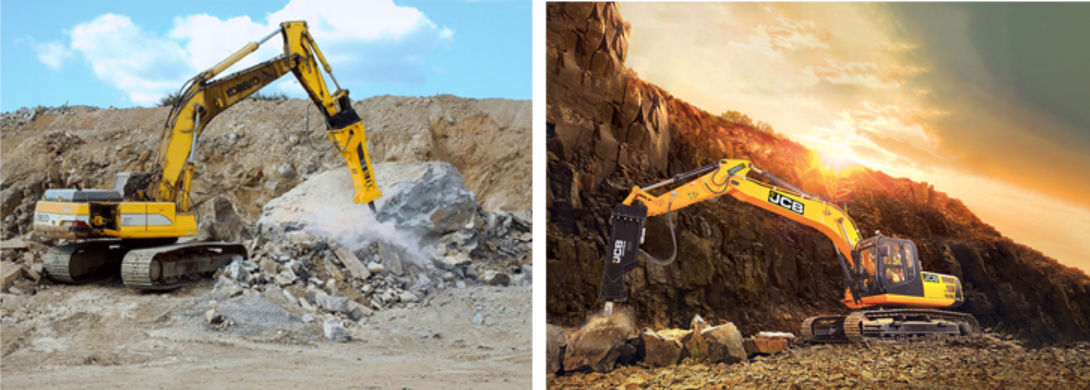
Demolim i përzgjedhur: Gjeometria e majës, rregullimi i BPM dhe kontrolli i vibracioneve për strukturat e okupuara ose të ngjitur
Shkëmbësit hidraulikë lejojnë punëtorët të kryejnë punë të hollësishme demolimi në afërsi të infrastrukturës së rëndësishme, falë tre veçorive kryesore të kontrollit. E para është forma e majës: çelësat të sheshtë përdoren për punë në sipërfaqe, ndërsa majat me kulm të mprehtë penetrojnë në çarjet më thella dhe shpërndajnë materiale lokale. Pastaj vjen rregullimi i BPM-së, i cili përshtatet sipas llojit të materialit që goditet. Për zonat shumë të forta me armaturë, operatorët zgjedhin një numër më të ulët goditjesh por me forcë më të madhe; ndërsa betoni i thyeshëm kërkon goditje më të shpejta. Veçoria e tretë e rëndësishme janë amortizatorët e brendshëm të vibracioneve, të cilët reduktojnë dridhjet e tokës me rreth 70% në krahasim me martesa të zakonshme. Kjo ka rëndësi të madhe kur punohet në një distancë më pak se 15 këmbë nga ndërtesat ku njerëzit jetojnë ose punojnë. Kemi parë këtë sistem të funksionojë mrekullisht në spitale gjatë projekteve të heqjes së shtratinave të liftit, si dhe në qendrat e vjetra të qyteteve gjatë demolimit të garazheve të parkimit pa dëmtuar ndërtesat historike në afërsi.
Veprimi me ndërgjegjësim të rrezikut: Shmangja e penetrimit të tepërt në betonin e ngritur me anë të përpjekjes dhe betonin me tension pasardhës
Kur zhduken strukturat speciale betonike, ndjekja e procedurave të duhura është absolutisht e domosdoshme nëse dëshirojmë të parandalojmë dëmtime katastrofale. Merrni si shembull muret e ngritura me anë të përpjekjes – ato panele të mëdha me armaturat e brendshme të tyre. Nëse dikush fillon thjesht të godasë pa kujdes, do të përkulë ose kthye armaturat e hekurit jashtë formës së tyre, gjë që shkatërron në thelb fortësinë e tërë murit. E njëjta gjë vlen edhe për pllakat me tension pasardhës, ku ato kabllot çeliku shumë të forta mbajnë gjithçka së bashku. Nëse drillohet shumë thellë, kabllot shpërthejnë, duke lëshuar një valë goditjeje të ngjashme me atë që ndodh kur presioni rritet papritur deri në rreth 400 funte për inç katror. Ajo lloj force mund të jetë e rrezikshme me të vërtetë. Pra, çfarë bëjnë në fakt ekipet e përvojuara të zhdukjes? Behen disa metoda të provuara me kohë që funksionojnë mjaft mirë...
- Skanimi para zhdukjes duke përdorur radarin e penetrimi tokësor për të hartuar vendndodhjen e tendoneve
- Tehnikat e zonimit , duke mbajtur një "buferr të thyerjes" prej 12 inçesh rreth elementeve të tensionit
-
Modulimi i energjisë , duke kufizuar forcën e goditjes në ≤60% të kapacitetit maksimal në zonat kritike
Adoptimi i këtyre protokollave zvogëlon kostot e punës së përsëritur në mesatare për 34% — duke parandaluar riparimet e ndërmarra me kosto të lartë dhe vonimet e planit.
Optimizimi i bashkëngjitjeve hidraulike të thyerësve për ekskavatorë dhe makinat me lëvizje të shpejtë
Marrja e maksimumit nga një thyerës hidraulik varet në të vërtetë nga sa mirë përshtatet me makinën bartëse me të cilën është i lidhur. Nuk është vetëm çështje e sigurimit se gjithçka përshtatet fizikisht, por edhe e sigurimit se ato funksionojnë së bashku funksionalisht. Kur flasim specifikisht për ekskavatorët, montimi i duhur ka shumë rëndësi. Pini duhet të jenë me madhësi të duhur, distanca midis qendrave duhet të përshtatet perfekt, dhe gjerësia e shkopit ose të krahut duhet të përshtatet në mënyrë që makina të mund të mbajë të gjitha ato goditje pa përkulur ose pa u konsumuar shumë shpejt. Gjërat janë ndryshe për makinat me lëvizje të shpejtë (skid steers) megjithatë. Këto makina fokusohen më shumë në përshtatshmërinë hidraulike, pasi sistemet e tyre të lidhjes së shpejtë janë të dizajnuara në bazë të parametrave si shkalla e rrjedhës së ndihmës, e matur në galona për minutë (GPM), dhe niveli i shtypjes, i matur në funta për inç katror (PSI). Në fund të fundit, ajo që bën thyerësit të përgjigjen në mënyrë të duhur nuk është aq shumë madhësia e pjesëve, por sa shumë vaj i dërgohet atyre.
| Faktori i Optimizimit | Ekavatorët | Makinat me lëvizje të shpejtë |
|---|---|---|
| Fokusi i montimit | Dimenzionet e shpinës dhe gjerësia e shkallës | Rrjedha dhe shtypja hidraulike |
| Metrika kryesore | Pesha e Makinerisë | Kapaciteti i daljes së ndihmës |
| Specifikimi kritik | DIAMETRI I ÇKELIT | Goditje për minutë (BPM) |
Kur thyerësit janë shumë të vegjël për punën, ata konsumohen shpejt sepse punojnë vazhdimisht mbi kapacitetin e tyre. Nga ana tjetër, kur thyerësit janë shumë të mëdhenj, ata në fakt zvogëlojnë fuqinë nga sistemi hidraulik, çka rezulton në përgjigje të ngadaltë dhe performancë të papërsosur gjatë thyerjes së materialeve. Operatorët duhet të kontrollojnë çfarë thotë manuali i makinerisë bartëse në krahasim me specifikimet e thyerësit, duke kushtuar veçmas vëmendje faktorëve si frekuenca e operimit për minutë dhe forca e çdo goditje. Ata duhet gjithashtu të rregullojnë parametrin e goditjeve për minutë në mënyrë që ai të funksionojë brenda kapacitetit të sistemit hidraulik, duke marrë parasysh edhe llojin e materialeve të ndryshme. Për shembull, graniti kërkon shumë më shumë forcë goditjeje në krahasim me betonin e zakonshëm. Duke siguruar saktësinë e këtyre detajeve, garanton funksionimin e rrjedhshëm të të gjitha pjesëve, mbrojtjen e makinerisë kryesore nga dëmtimet dhe, në fund të fundit, ofron një vlerë më të mirë për para të shpenzuara në aksesorë.
FAQ
Çfarë janë pjesët e bashkuara hidraulike për thyerje?
Pjesët e bashkuara hidraulike për thyerje shndërrojnë vajin nën shtypje nga makineritë e bashkuara në një forcë të fuqishme demolimi, që përdoret kryesisht për thyerjen e materialeve të forta si betoni dhe gurët.
Si optimizojnë pjesët e bashkuara hidraulike përdorimin e energjisë?
Modelët më të fundit mund të kapin rreth 72% të energjisë hidraulike të mbetur pas goditjes, duke zvogëluar humbjet dhe duke ruajtur shpejtësi të qëndrueshme goditjesh, gjë që zgjaton jetëgjatësinë e veglave.
Cilat faktorë përcaktojnë efikasitetin e pjesëve hidraulike për thyerje?
Metrikat kryesore të performancës përfshijnë BPM (goditje për minutë), energjinë e goditjes dhe ciklin e punës. Secila prej tyre optimizohet sipas llojit të materialit për një performancë efikase.
A mund të përdoren pjesët hidraulike për thyerje pranë strukturave të ndjeshme?
Po, pjesët hidraulike për thyerje kanë kontrolla të saktë si gjeometria e majës, rregullimi i BPM-së dhe amortizatorët e vibracioneve për të kryer demolim selektiv pa dëmtuar strukturat fqinje.
Si bëhet pjesët e bashkuara hidraulike për thyerje përmirësojnë efikasitetin e punës dhe të koston?
Ata mund të zëvendësojnë shumë punëtorë me një operator të vetëm, duke reduktuar kështu tërësisht lodhjen dhe kostot e drejtpërdrejta të puneve, ndërkohë që ulin edhe kostot e projektit dhe përmirësojnë efikasitetin.
Përmbajtja
- Si Pjesët e bashkuara hidraulike për thyerje Puna: Mekanika bazë dhe optimizimi i energjisë
- Fitimet e maturshme në efikasitet nga prishësit hidraulikë
- Saktësia dhe shumëfunksionaliteti në aplikimet e demolimit të betonit
- Optimizimi i bashkëngjitjeve hidraulike të thyerësve për ekskavatorë dhe makinat me lëvizje të shpejtë
-
FAQ
- Çfarë janë pjesët e bashkuara hidraulike për thyerje?
- Si optimizojnë pjesët e bashkuara hidraulike përdorimin e energjisë?
- Cilat faktorë përcaktojnë efikasitetin e pjesëve hidraulike për thyerje?
- A mund të përdoren pjesët hidraulike për thyerje pranë strukturave të ndjeshme?
- Si bëhet pjesët e bashkuara hidraulike për thyerje përmirësojnë efikasitetin e punës dhe të koston?

