 EN
EN


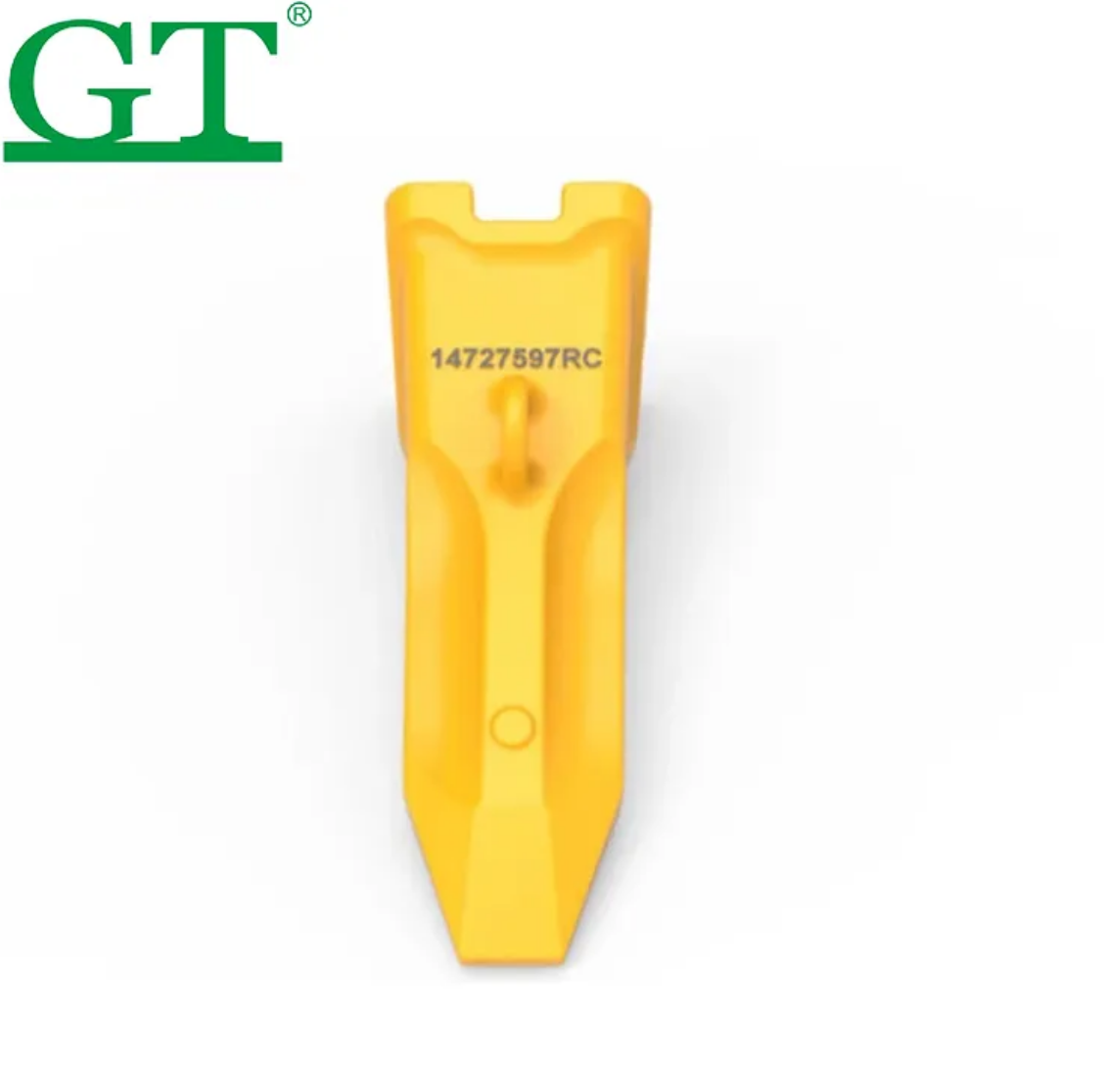
Potrivire Dentii de găleată la condițiile terenului și tipul de aplicație
Teren stâncos și abraziv: dinte pentru ciocan de stâncă și dinte pentru coș Twin Tiger pentru penetrare maximă și rezistență la uzură
Standard dentii de găleată pur și simplu nu rezistă mult timp în locuri dificile, cum ar fi carierele sau minele, unde există o uzură extremă datorită terenului accidentat. Dinții pentru ciocanul de stâncă sunt concepuți însă în mod diferit: au vârfuri suplimentar suprarezistente, realizate din oțel aliat special, capabil să suporte presiuni de peste 50.000 de lire pe inch pătrat fără a se deteriora. Ceea ce le conferă o eficiență atât de ridicată este muchia lor ascuțită de tăiere, care străpunge ușor pământul bătătorit și stâncile, fără a-și pierde rezistența. Unele modele sunt echipate cu așa-numitele designuri „Twin Tiger” – acestea au două puncte de tăiere în loc de unul singur, reducând astfel rezistența solului cu aproximativ 30% comparativ cu dinții obișnuiți cu un singur punct de tăiere. Ingredientul secret real este amestecul de aliaje de crom, nichel și molibden utilizat în ambele tipuri, care respectă specificațiile ASTM A514 și rezistă cu adevărat la materiale precum granitul și șistul. Rapoartele din teren arată că operatorii petrec cu aproximativ 40% mai puțin timp așteptând înlocuirea dinților atunci când trec la aceste dinți mai rezistenți în medii severe.
Soluri de la moale la mediu (argilă, nisip, pietriș) și teren înghețat: dinți pentru cuvă cu autoascuțire și înaltă penetrare
Dinții pentru găleți care se ascuțesc singuri funcționează foarte bine în solurile lipicioase, unde menținerea muchiei de tăiere ascuțite este cel mai important. Acești dinți au o formă conică care elimină în mod natural depozitele de pământ în timpul săpării, concentrând întreaga putere de săpare exact în punctul în care aceasta trebuie să pătrundă în sol. Când lucrează în pământ înghețat sau în pietriș greu, dinții speciali cu profil subțire reduc forța necesară pentru a străpunge materialele rezistente, facilitând uneori lucrul cu aproximativ 25%. Unghiurile ascuțite ale acestor dinți le permit să taie straturile compacte, nu doar să le împingă. Testele din lumea reală au arătat că operatorii pot finaliza ciclurile cu aproximativ 15% mai rapid în condiții de lut și nisip, folosind acești dinți specializați în locul celor obișnuiți. Unele variante cu carburi suplimentare rămân rezistente chiar și la temperaturi sub minus 20 de grade Celsius, astfel încât nu se crăpă sau nu se rup în timpul operațiunilor în condiții de frig.
Lucrări de demolare și extracție cu impact ridicat: dinți robusti pentru găleată, forjați, cu vârfuri din carburi de tungsten
Când se sparge betonul și se extrag barele de armare, lucrările de demolare pun cu adevărat la încercare dinții echipamentelor. Cea mai bună soluție? Dinți din oțel cu conținut ridicat de carbon, forjați, care rezistă la orice solicitare. Acești „băieți” au o rezistență la impact mult superioară celei oferite de variantele obișnuite turnate, conform standardelor SAE J431, pe care le cunoaștem și le apreciem cu toții. Și nu uitați de vârfurile din carburi de tungsten, montate exact acolo unde este nevoie, pe muchia de tăiere. Aceasta creează o suprafață care nu-și pierde ascuțimea nici după sute de lovituri cu ciocanul asupra materialelor rezistente. Contractorii raportează că înlocuiesc acești dinți doar de 40 % mai des decât modelele mai vechi, în timpul lucrărilor de demolare. În plus, designul lor monobloc, solid, elimină orice temere legate de desprinderea vârfurilor atunci când forțele ajung la aproximativ 8.000 psi în timpul operațiunilor de pârghiere. Nu este de mirare, așadar, că atât de multe echipe de demolare se bazează zilnic pe ei pentru lucrări serioase de demolare structurală și pentru extragerea elementelor grele din clădiri.
Evaluarea compoziției materiale și a durității dinților pentru coșuri
Oțel aliat tratat termic vs. oțel forjat de înaltă rezistență: echilibrarea tenacității la impact și a duratei de viață la oboseală în aplicațiile miniere
La alegerea materialelor pentru dinții de găleată, există de fapt un singur aspect care contează cel mai mult: găsirea echilibrului potrivit între rezistența la impacturi bruște și durabilitatea în condiții de utilizare continuă. Oțelul aliat tratat termic se remarcă prin durata sa de viață mai lungă, datorită structurii sale interne speciale, care suportă toate aceste solicitări repetate zilnice din activitatea de extracție minieră. S-a observat că aceștia au o durată de viață cu aproximativ 30–40 % mai lungă decât variantele obișnuite din oțel, care nu beneficiază de nicio caracteristică specială. Pe de altă parte, oțelul forjat de înaltă rezistență este conceput pentru a rezista loviturilor. Procesul de fabricație îi conferă un model de granulație densă, care absoarbe aceste șocuri neașteptate produse la contactul cu rocile ascunse subterane. În locurile unde impacturile mari apar frecvent, cum ar fi în operațiunile de extracție a minereului de fier, acești dinți forjați pot suporta sarcini care depășesc cincizeci de tone fără a se rupe, în timp ce variantele obișnuite s-ar sparge pur și simplu.
Vârfuri din carburi de tungsten și aliaje de crom-nichel-molibden: inginerie pentru o rezistență extremă la uzură a dinților abrazivi ai coșului
Când se lucrează în medii extrem de agresive, cum ar fi cele cu sol bogat în siliciu, anumite materiale speciale contribuie la reducerea uzurii rapide. De exemplu, vârfurile din carburi de tungsten acționează ca o fel de barieră împotriva deteriorării. Acestea au o duritate cuprinsă între 1.500 și 2.200 HV, protejând astfel oțelul aflat sub ele. Un aspect interesant al acestor vârfuri este modul în care distribuie, de fapt, forța de rectificare pe întreaga lor suprafață. Conform testelor, acest lucru reduce eroziunea materialului principal cu aproximativ 60%. Un alt component important este reprezentat de aliajele de crom-nichel-molibden. Combinarea acestor metale creează structuri mai rezistente în interiorul metalului însuși. Mai exact, atunci când conținutul de crom este de aproximativ 18–22 %, iar cel de molibden de aproximativ 1–2 %, se formează structuri microscopice care rezistă bine la zgârieturi și ciupituri, chiar și în zonele cu pietriș stâncoas. Ce se obține dacă combinăm toate aceste elemente? Dinții utilizați în carierele de granit au o durată de viață mult mai mare decât înainte. În loc să necesite înlocuire la fiecare câteva săptămâni din cauza frecării și a zgârierii continue, ei pot acum rezista timp de mai multe luni consecutiv.
Compararea geometriei și clasificării dinților de coș în funcție de rolul lor
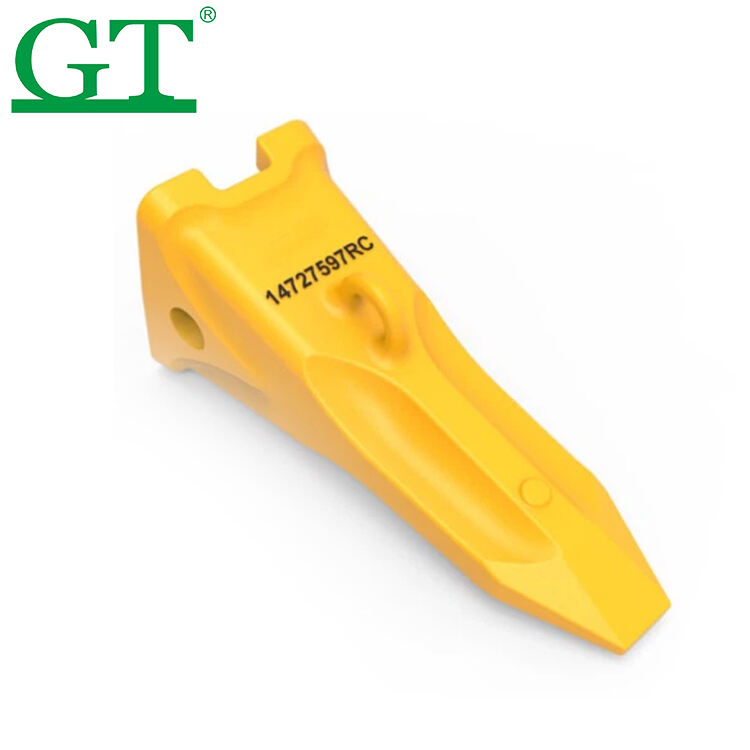
Dinți de coș cu muchie de burghiu, cu vârf delta și cu formă de evazare: cum influențează designul eficiența pătrunderii și retenția muchiei
Forma dinților de găleată face întreaga diferență în ceea ce privește performanța de săpare și durata lor de viață. Muchiile în formă de daltă răspândesc forța pe o suprafață mai mare, ceea ce funcționează foarte bine în solurile mai moi, unde menținerea acestei muchii ascuțite înseamnă mai puține înlocuiri ulterioare. Punctele în formă de delta concentrează toată presiunea într-un singur punct mic la partea frontală, astfel încât pot pătrunde prin pământul compact cu aproximativ 40% mai rapid decât alte forme. Dinții în formă de flacără oferă o bună stabilitate laterală și tind să se curețe singuri în timpul săpării, reducând astfel murdăria care se acumulează în jurul liniilor de tranșee. Atunci când se lucrează cu materiale aspre, cum ar fi pietrișul, acești dinți îmbunătățiți în formă de flacără rezistă cu aproximativ 30% mai mult decât cei obișnuiți, conform observațiilor noastre efectuate pe teren. Alegerea formei potrivite a dintelui pentru tipul de teren care urmează să fie săpat este esențială pentru a asigura transferul optim al puterii de săpare și pentru a evita uzura inutilă a echipamentelor.
Alegeți între dinții pentru coșuri forjați și cei turnați, în funcție de nevoile de durabilitate și de costul total de proprietate
Când alegeți între dinții pentru coșuri forjați și cei turnați, este important să evaluați performanța materialelor în comparație cu costurile lor de exploatare. Procesul de forjare supune metalul unei presiuni intense, care aliniază, de fapt, structura granulară a materialului. Conform unui studiu publicat în revista „Wear” în 2022, aceasta duce la o rezistență la impact cu aproximativ 30–50 % superioară pentru dinții forjați, comparativ cu cei turnați. Acest tip de rezistență este esențial atunci când se lucrează cu materiale dure, cum ar fi piatra, sau în lucrări de demolare, unde dinții pot ceda efectiv sub acțiunea stresului. Pe de altă parte, dinții turnați au un preț inițial mai scăzut. Totuși, durata lor de viață este mult mai scurtă în medii agresive. Companiile miniere constată adesea că trebuie să înlocuiască dinții turnați de două până la trei ori mai frecvent decât cei forjați în aceste condiții dificile.
La calcularea costului total de proprietate (TCO), luați în considerare:
- Factori de durabilitate : Variantele forjate mențin integritatea structurală pe parcursul a 8.000–10.000 de ore de funcționare în excavarea granitului, comparativ cu 3.000–5.000 de ore pentru dinții turnați standard
- Consecințele Defectării : Dinții turnați fisurați prezintă riscul deteriorării sistemelor de adaptare, crescând astfel costurile legate de timpul de nefuncționare cu 740 USD/oră (Institutul Ponemon, 2023)
- Stiinta Materialelor : Oțelul aliat tratat termic din dinții forjați oferă o distribuție omogenă a durității, în timp ce compozițiile turnate dezvoltă microgoluri care accelerează uzurarea
| Metric de comparație | Dinți forjați | Dinți turnați |
|---|---|---|
| Rezistență la impact | Superior (ideal pentru stâncă) | Moderat |
| Rată de uzură prin abraziune | cu 15–20% mai lentă | Standard |
| Costul total de exploatare (CTE) (5 ani de funcționare) | Mai scăzut în condiții dificile | Mai ridicat în cazul utilizării intense |
Pentru aplicații pe teren înghețat sau argilos, cu impact moderat, dinții turnați oferă o performanță adecvată la un cost inițial mai redus. Totuși, operațiunile care implică granit, beton sau forțare intensă ar trebui să acorde prioritate designurilor forjate, chiar dacă acestea presupun costuri inițiale mai mari — durata lor de viață extinsă și ratele reduse de defectare generează, de obicei, un CTE cu 18–22% mai mic pe o perioadă de trei ani.
Întrebări frecvente
De ce sunt preferați dinții pentru coșturi de tip burghiu pentru rocă și dinții pentru coșturi de tip tigrul dublu în terenuri stâncoase?
Dinții pentru coșturi de tip burghiu pentru rocă și dinții pentru coșturi de tip tigrul dublu sunt preferați în terenuri stâncoase deoarece asigură o penetrare maximă și o rezistență superioară la uzură, reducând semnificativ rezistența solului datorită designului și compoziției materialelor lor specifice.
Care sunt avantajele dinților autoascuțiți pentru coșturi?
Dinții autoascuțiți pentru coșturi păstrează o muchie ascuțită în timpul săpăturii, ceea ce îmbunătățește eficiența penetrării și viteza ciclului, fiind deosebit de benefic în soluri lipicioase, teren înghețat și pietriș greu.
Când sunt dinții forjați pentru coșuri mai avantajoși comparativ cu cei turnați?
Dinții forjați pentru coșuri sunt mai avantajoși în condiții care necesită o rezistență ridicată la impact, cum ar fi demolarea și excavarea rocilor, datorită durabilității superioare, duratei mai lungi de funcționare și reducerii costului total de proprietate.
Cum contribuie vârfurile din carburi de wolfram la dentii de găleată performanță?
Vârfurile din carburi de wolfram îmbunătățesc rezistența la uzură acționând ca un amortizor împotriva substanțelor abrazive, distribuind forța de rectificare pe o suprafață mai mare pentru a proteja oțelul de bază și pentru a prelungi durata de viață a dinților.
Cuprins
-
Potrivire Dentii de găleată la condițiile terenului și tipul de aplicație
- Teren stâncos și abraziv: dinte pentru ciocan de stâncă și dinte pentru coș Twin Tiger pentru penetrare maximă și rezistență la uzură
- Soluri de la moale la mediu (argilă, nisip, pietriș) și teren înghețat: dinți pentru cuvă cu autoascuțire și înaltă penetrare
- Lucrări de demolare și extracție cu impact ridicat: dinți robusti pentru găleată, forjați, cu vârfuri din carburi de tungsten
- Evaluarea compoziției materiale și a durității dinților pentru coșuri
- Compararea geometriei și clasificării dinților de coș în funcție de rolul lor
- Alegeți între dinții pentru coșuri forjați și cei turnați, în funcție de nevoile de durabilitate și de costul total de proprietate
-
Întrebări frecvente
- De ce sunt preferați dinții pentru coșturi de tip burghiu pentru rocă și dinții pentru coșturi de tip tigrul dublu în terenuri stâncoase?
- Care sunt avantajele dinților autoascuțiți pentru coșturi?
- Când sunt dinții forjați pentru coșuri mai avantajoși comparativ cu cei turnați?
- Cum contribuie vârfurile din carburi de wolfram la dentii de găleată performanță?

